

Whole grains may improve several heart risk factors at once

Light exposure at night may raise risk for heart disease

Children of centenarians may stay healthier and live longer too, study finds

A lumbar belt may help ease low back pain

Signs of pneumonia: Sometimes vague and unexpected

The surprising link between ovarian cancer and the fallopian tubes

Using a vibration plate: What it can — and can't — do for your body

People who walk more or walk faster live longer, study finds

Rosacea treatments: What works?

For sleep apnea, a dental device may be as effective as CPAP
Exercise and Fitness Archive
Articles

Interval training: A shorter, more enjoyable workout?
High-intensity interval training (HIIT) is a time-efficient way for people to improve their fitness and cardiovascular health. Even short bursts of high-intensity activity may trigger the release of mood-boosting brain chemicals. Traditionally, HIIT features 30 to 90 seconds of high-intensity effort followed by an equal or longer period of lower-intensity activity or rest. HIIT variations include fartlek (Swedish for "speed play"), which uses environmental cues to set intervals, and Tabata, which features 20-second intervals of intensity followed by 10-second recovery intervals.


Easy upper-body boosters
The loss of muscle mass begins in one's 30s and accelerates after age 60. A loss of upper-body strength can make it more difficult to complete daily activities, and it may also increase the risk for muscle injury during an activity that involves reaching. A physical therapy program can help increase muscle mass in older age. Such a program typically involves gentle stretching to keep muscles supple, plus strengthening exercises like triceps curls, with low amounts of weight (just a few pounds) and a high number of repetitions.
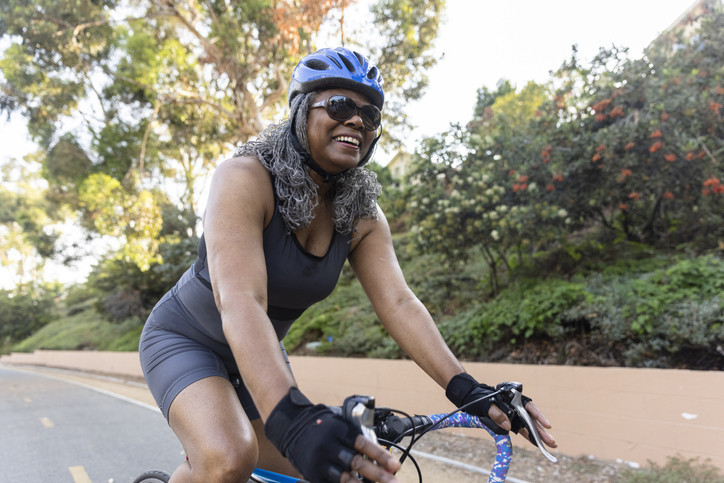
Strong legs help power summer activities: Hiking, biking, swimming, and more
Legs are the foundation for many enjoyable activities-running, bicycling, swimming, and more. Building strong leg muscles can improve your performance, build endurance, and reduce your risk of injury. These exercises will work all of the major muscle groups in your legs.


Take a Nordic walk
Nordic walking is a popular way to enjoy the benefits of walking while getting a full-body workout. It mimics the motion of cross-country skiing by using poles to push yourself as you walk along and can offer a higher-intensity workout than walking.

Yoga skepticism
About 38 million Americans practice yoga, and three-quarters are women. Some people hesitate to try yoga because they wrongly believe they must be slender and flexible and need to buy costly equipment. But yoga's health benefits are plentiful and proven. Research suggests yoga eases depression, boosts sleep quality, improves chronic pain, and reduces cardiovascular disease risks. People can overcome their reluctance to try yoga by joining a class, taking a friend along, asking for modifications, and being patient with their progress.

Try this: Band practice
Resistance bands are versatile exercise equipment that can supplement people's usual workouts. They also help people who have trouble gripping or holding dumbbells or need greater control when exercising, like when recovering from an injury or managing joint pain.

Does tai chi beat aerobics to lower blood pressure?
A 2024 study found that among people at risk for high blood pressure, those who practiced tai chi for one hour four times a week for a year experienced an average seven-point drop in blood pressure, compared with a four-point drop in those who did aerobics instead.

Potency of these Alzheimer's pills might not match the label
A 2024 study found that dietary supplements of galantamine-which is used to treat Alzheimer's symptoms-had an inaccurate amount of the plant extract listed on the label, ranging from less than 2% to 110% of the labeled quantity.
Whole grains may improve several heart risk factors at once
Light exposure at night may raise risk for heart disease
Children of centenarians may stay healthier and live longer too, study finds
A lumbar belt may help ease low back pain
Signs of pneumonia: Sometimes vague and unexpected
The surprising link between ovarian cancer and the fallopian tubes
Using a vibration plate: What it can — and can't — do for your body
People who walk more or walk faster live longer, study finds
Rosacea treatments: What works?
For sleep apnea, a dental device may be as effective as CPAP
Free Healthbeat Signup
Get the latest in health news delivered to your inbox!
Sign Up
