

Whole grains may improve several heart risk factors at once

Light exposure at night may raise risk for heart disease

Children of centenarians may stay healthier and live longer too, study finds

A lumbar belt may help ease low back pain

Signs of pneumonia: Sometimes vague and unexpected

The surprising link between ovarian cancer and the fallopian tubes

Using a vibration plate: What it can — and can't — do for your body

People who walk more or walk faster live longer, study finds

Rosacea treatments: What works?

For sleep apnea, a dental device may be as effective as CPAP
Exercise and Fitness Archive
Articles

Dizziness demystified
Vertigo is a symptom, not a condition. It can make people feel lightheaded, faint, unsteady, or like the room is spinning. Common conditions causing vertigo include benign paroxysmal positional vertigo, vestibular migraines, vestibular neuritis, and Meniare's disease. People should see a doctor after a single vertigo episode to determine the cause. Depending on the cause, treatments might include medications, a canalith repositioning procedure, vestibular therapy, and cognitive behavioral therapy. Staying active, not sedentary, between episodes can help people with vertigo feel better.

5 great tips for sustainable summer living
Wondering how to save money, stay cooler, and be kinder to our planet during a long, hot summer? These five tips help ensure maximum fun and suggest ways to stay comfortable and safe this summer while making sustainable choices to benefit the environment.


Swimming lessons save lives: What parents should know
Every year, more than 4,500 people die from drowning in the United States. Swimming lessons help save lives and parents should know how to choose the right program and encourage children to learn skills that will help them to stay safe at the beach and around ponds or pools.
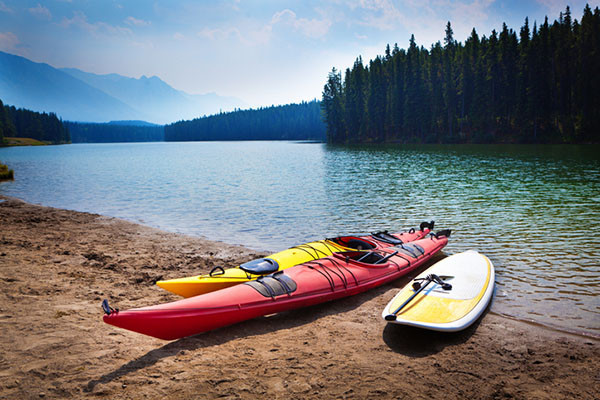
Power your paddle sports with three great exercises
Like kayaking or canoeing, paddleboarding provides a serious workout. But before you head out on the water, you'll want to get some key muscle groups in shape, especially ones that probably have not been used much during winter.

Protect your eyes when playing pickleball
A 2023 report warns that pickleball and other racquet sports can expose older adults to the risk of eye injuries, but wearing protective, shatterproof eyewear when playing can offer a layer of safety.

Try this: Get low with deep squats
Practicing the deep low squat, commonly known as the "Asian squat," can improve lower back strength, flexibility, and mobility at the hips, knees, and ankles.

3 kettlebell moves
Kettlebells can add depth to home workouts as they are easily stored and can be used to perform virtually any type of movement for an all-around workout that hits the major muscles. Kettlebells look like balls or bells with handles on top and range in weight from five to 30 pounds and higher. While they can function similarly to dumbbells, kettlebells can provide a more challenging workout, as a person needs muscle strength, balance, core stability, flexibility, and coordination to control its weight.

Want better sleep? Aim for at least an hour of exercise per week
In a 2024 study, people who exercised at least twice a week (for a total of at least an hour), for 10 years were less likely to report difficulty falling asleep or sleeping for less than six hours a night compared with people who were inactive for 10 years.

What you need to know about electric bicycles
Riding an electric bicycle (e-bike) has risks and benefits. On the plus side, an e-bike-which has a built-in electric motor-can assist a rider when pedaling is difficult. It puts less compression on the joints than a conventional bike, and makes riding easier for people with joint pain or diminished strength or endurance. But at higher speeds, an e-bike can be difficult to control for people not used to riding, which might lead to accidents.
Whole grains may improve several heart risk factors at once
Light exposure at night may raise risk for heart disease
Children of centenarians may stay healthier and live longer too, study finds
A lumbar belt may help ease low back pain
Signs of pneumonia: Sometimes vague and unexpected
The surprising link between ovarian cancer and the fallopian tubes
Using a vibration plate: What it can — and can't — do for your body
People who walk more or walk faster live longer, study finds
Rosacea treatments: What works?
For sleep apnea, a dental device may be as effective as CPAP
Free Healthbeat Signup
Get the latest in health news delivered to your inbox!
Sign Up
