

Signs of pneumonia: Sometimes vague and unexpected

The surprising link between ovarian cancer and the fallopian tubes

Using a vibration plate: What it can — and can't — do for your body

People who walk more or walk faster live longer, study finds

Rosacea treatments: What works?

For sleep apnea, a dental device may be as effective as CPAP

Carb cycling: What is it, and does it work?

Understanding orthorexia: Have your healthy eating goals gone too far?

Melatonin or magnesium: Can either supplement help you sleep?

Salmonella, E. coli, Cyclospora, and other germs that cause food poisoning: What you need to know
Diseases & Conditions Archive
Articles

Ask the doctor: I'm 75. Do I need a geriatrician?
Q. My doctor, an internist, just retired, and my health plan is asking me to designate a new primary care physician. I'm 75. Would there be advantages to choosing a geriatrician as my new doctor?
A. First, a disclaimer: I am a geriatrician. So my short answer is, "Yes, of course!" But my reasoned, unbiased answer would be, "It depends." If you are a generally healthy 75-year-old woman, a family physician or internist will be able to take excellent care of you. Geriatricians are trained to care for older adults with complex illnesses and are expert in managing the care of people who are frail. Improving your ability to function, and the quality of your life, are the guiding principles of geriatric medicine. We are expert at managing complexity and uncertainty, working with families, and caring for people with serious illnesses who are approaching the end of life. A geriatrician would be a good choice if you have physical or cognitive impairment, if you take a lot of medications, or if your friends and family are involved in your medical care. For people who have several medical problems, we emphasize the role of patient and family preference in making medical decisions, with the patient's goals as our primary focus.

Pelvic organ prolapse: You're not alone
Exchanging information with friends is one way to remove the stigma of pelvic organ prolapse. Image: Thinkstock |
Few women realize how common pelvic prolapse is—and how easily treated. Here are five things you should know.
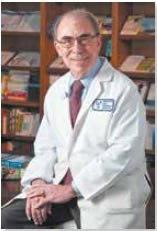
Ask the doctor: Any health benefits in dessert drinks?
It appears that moderate |
Q. Do the protective effects of alcohol extend to dessert wines and liqueurs, or do those have too much sugar?
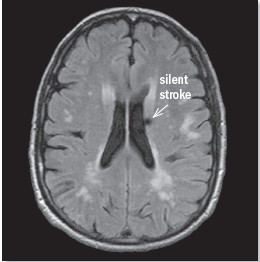
Reduce your risk of silent strokes
As seen on this MRI scan, a silent stroke |
Exercise, eat a healthy diet, and manage blood pressure and cholesterol to lower your odds.

Stay a step ahead of urinary tract infections
Drink plenty of fluids to help flush out bacteria in the urinary tract. Drink enough each day so that your urine is almost clear in color. Image: Thinkstock |
Keep hydrated, and empty your bladder often to stave off these risky infections.
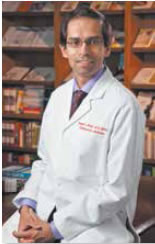
Ask the doctor: Calcium supplements: Not routinely recommended
Dairy products are good sources of calcium. |
Q. My internist told me to take calcium because I have osteoporosis. However, I heard that blockages in heart arteries could also contain calcium. Am I hurting my arteries by taking calcium supplements?
A. Doctors often recommend calcium supplements for people with osteoporosis, and I'd advise you to follow your physician's advice, as calcium is important for bone health. The Recommended Dietary Allowance for calcium for adults is 1,000 to 1,200 milligrams (mg) a day; dairy products are the best sources. For healthy people who get enough calcium in their diets, the role of calcium supplements is less clear, although some people hope that taking them may help preserve bone strength.

Ask the doctor: Stroke danger from a hole in the heart?
Q. I just discovered that I have a hole in my heart that my doctor called a patent foramen ovale, which was found during an ultrasound. What are the pros and cons of having it repaired?
A. All people start off with an oval, flap-like opening (called a foramen ovale) between the right and left upper chambers of their hearts. This small hole usually closes during infancy. But in about one in four people, it stays open and is known as a patent foramen ovale (PFO). Most people with the condition have no symptoms and never know they have it unless it's discovered by accident, as happened to you.

Can memory woes foretell a stroke?
Well-educated people who report memory problems may face a higher risk of stroke.
Minor memory slips—such as losing your keys or forgetting an acquaintance's name—are common as we age. However, people who express concern about their memory may have a heightened risk of stroke, particularly if they're highly educated, according to a study in the January 2015 Stroke.

Ask the doctor: Diagnosing restless legs syndrome
Image: Thinkstock |
Q. For many years, I have felt like my legs have to constantly move, and sometimes I feel crawling sensations when I am resting. Do I need to be tested for restless legs syndrome?
A. Your symptoms are consistent with restless legs syndrome (RLS), a common condition marked by uncomfortable sensations in the legs or a need to move them to relieve the discomfort. There is no test to confirm RLS, so it's diagnosed based on symptoms alone.
Common pain relievers add bleeding risk to afib treatment
The abnormal heart rhythms from atrial fibrillation (afib) can form clots that, in turn, trigger strokes. To prevent that, people with afib take a blood-thinning medication to prevent clotting. But also taking common over-the-counter painkillers can block clotting too much and lead to dangerous bleeding, according to a study in Annals of Internal Medicine.
Danish researchers examined health records of more than 150,000 people with afib. A third of them had also been prescribed nonsteroidal anti-inflammatory drugs (NSAIDs), such as ibuprofen (Advil, Motrin) and naproxen (Aleve). These common pain relievers interfere with the body's natural clotting function. Paradoxically, some NSAIDs have also been linked to higher risk of thromboembolism, or a clot that forms in the body and travel to the lungs, brain, or elsewhere.
Signs of pneumonia: Sometimes vague and unexpected
The surprising link between ovarian cancer and the fallopian tubes
Using a vibration plate: What it can — and can't — do for your body
People who walk more or walk faster live longer, study finds
Rosacea treatments: What works?
For sleep apnea, a dental device may be as effective as CPAP
Carb cycling: What is it, and does it work?
Understanding orthorexia: Have your healthy eating goals gone too far?
Melatonin or magnesium: Can either supplement help you sleep?
Salmonella, E. coli, Cyclospora, and other germs that cause food poisoning: What you need to know
Free Healthbeat Signup
Get the latest in health news delivered to your inbox!
Sign Up
