
Reading the current blood pressure guidelines

Oat vs. dairy milk: Nutrition, benefits, and downsides

Microplastics: A hidden health threat?

Healing after food poisoning

What is tempeh? Benefits, nutrition, and how to use it

Light exposure at night may raise risk for heart disease

Whole grains may improve several heart risk factors at once

A lumbar belt may help ease low back pain

Children of centenarians may stay healthier and live longer too, study finds

Signs of pneumonia: Sometimes vague and unexpected
Digestive Health Archive
Articles

The Department of Defense wages war on prostate cancer
Active and retired servicemen with prostate cancer can get access to clinical trials, experimental therapies, and state-of-the-art care through the Department of Defense’s Center for Prostate Disease Research (CPDR).

Ask the doctor: New DNA-based test for colorectal cancer
Q. I heard that there is a new stool test for colon cancer screening. Can this test replace colonoscopy for me? I am 68 years old with no history of colon problems, and my last colonoscopy was normal.
A. Among screening tests for hidden colorectal cancer, colonoscopy remains the "gold standard" because it's the most effective technique for detecting colon cancers and simultaneously provides an opportunity to remove any precancerous growths (polyps). The new DNA-based stool test (Cologuard) is less invasive and inconvenient than colonoscopy and finds more cancers and polyps than older stool tests, but it does not entirely eliminate the need for colonoscopies.

Prostate cancer: Treat or wait?
Choosing active surveillance for prostate cancer depends on carefully weighing medical as well as personal factors. Image: Thinkstock |
An approach called active surveillance allows some men with low-risk cancer to delay the decision to treat.
Ask the doctor: Prostate surgery and ED
Q. I am scheduled to have my prostate removed and am concerned about the risk of erectile dysfunction (ED) after the surgery. I've heard that taking an ED drug daily during my recovery could help. Do you recommend this?
A. About half of men lose some erectile function after radical prostatectomy, which removes the entire prostate gland. ED drugs help men to have erections after surgery, but so far research has not shown that taking it daily produces better results than taking the medication as-needed—when you anticipate sexual activity.

Gain more weight, get more GERD
Maintaining a healthy weight is the best way to rein in gastroesophageal reflux disease (GERD), or chronic heartburn, according to a study in The American Journal of Gastroenterology. Researchers found that GERD symptoms increased for every incremental rise in body mass index (BMI), which measures the ratio of weight to height.
In GERD, the acidic contents of the stomach back up into the lower esophagus, causing burning pain. The most effective treatment for GERD is taking an acid-reducing proton-pump inhibitor medication, such as omeprazole (Prilosec). People who are overweight are much more likely to develop GERD.
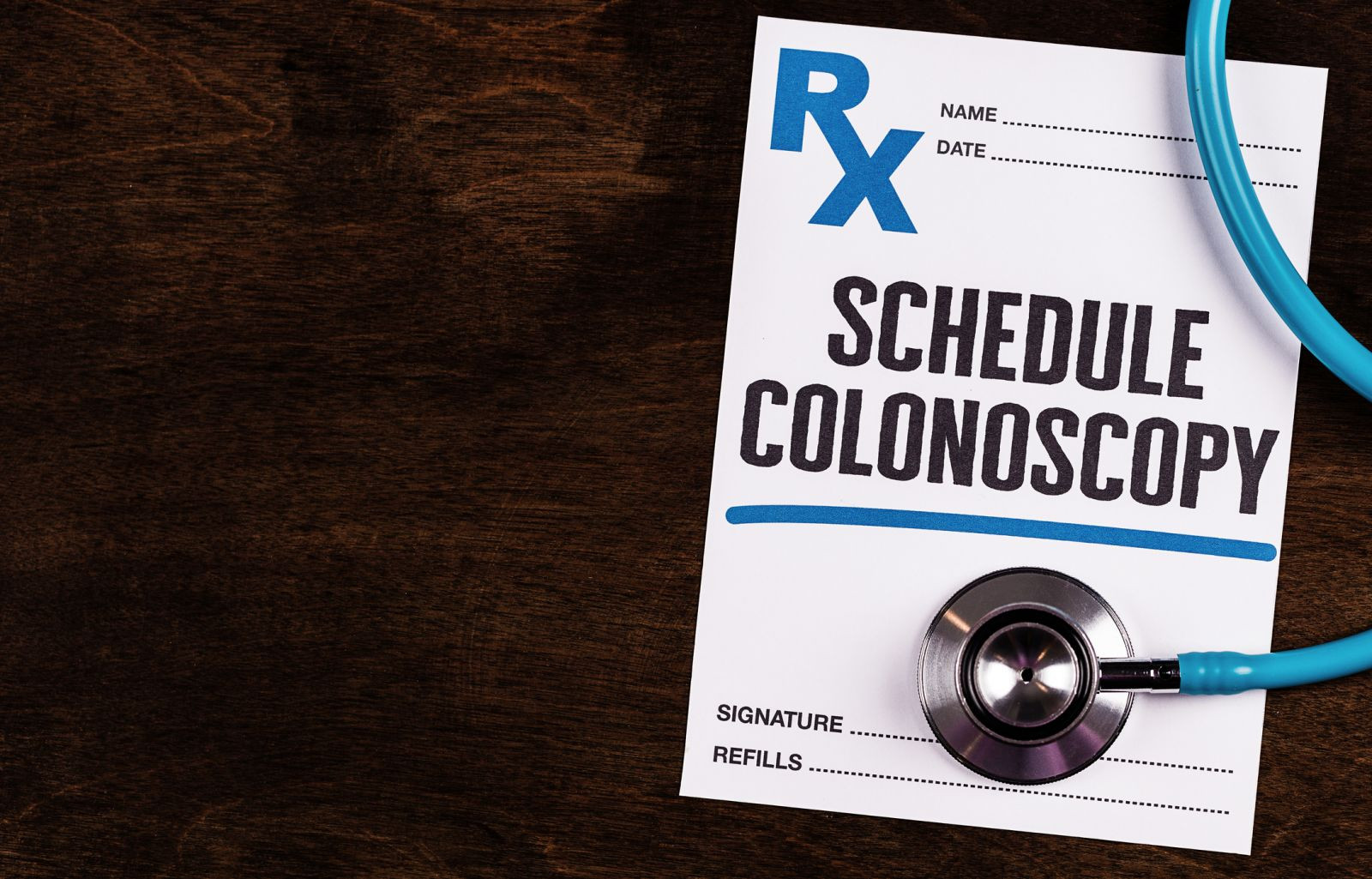
How you can make colonoscopy prep easier
Colonoscopy saves lives, and adequate prep is essential for a successful colonoscopy. New laxative preps are making the process easier to tolerate.

Switching to a fiber-rich diet may lower colon cancer risk in blacks
Switching from a “Western” diet with lots of fat and meat to a fiber-rich diet for just two weeks makes conditions in the large intestine less favorable to the development of colon cancer. The opposite switch may promote the formation of cancer. That’s the conclusion from a small but elegant study done in urban Pittsburgh and rural KwaZulu-Natal, South Africa. In the study, 20 volunteers from each area switched diets. For two weeks, the Americans ate a traditional high-fiber African diet rich in fruits, vegetables, nuts, and beans, while the Africans ate a Western diet with more fat, protein, and meat. In just two weeks, significant changes occurred in the lining of the colon and in its chemical and bacterial make-up in both groups, but in different directions. Those following the African diet showed improvements in colon health likely to protect against colon cancer, while those following the Western diet showed changes that could lead to colon cancer.
Hormone therapy works best when combined with radiation for locally advanced prostate cancer
Men with locally advanced prostate cancer who combine hormone therapy with a course of radiation therapy tend to live longer than men who only take hormone therapy.
Targeted prostate biopsies better at detecting dangerous cancers
Standard biopsies of the prostate gland often miss potentially aggressive prostate cancer. Adding MRI images to standard biopsies improves the detection of prostate cancer.
Ask the doctor: Health benefits of probiotics
Q. Would you suggest I try taking a probiotic supplement for general colon health? I have a sensitive stomach and sometimes suffer from constipation.
A. Probiotics, the beneficial bacteria that live in our intestines and assist in digestion, have gained a lot of support lately. Each week, a new study appears describing health benefits or diseases associated with changes in the so-called microbiome—the diverse community of microorganisms each of us carries inside our body. Still, the benefits of adding probiotics to the intestinal tract are uncertain.
Probiotics have proved helpful in situations where the body's normal, healthy bacteria have been destroyed, such as after taking a powerful antibiotic. Small studies in people with irritable bowel syndrome have suggested that taking probiotics improves pain and diarrhea. The benefit in constipation is less certain, but it's reasonable for you to try taking a probiotic if you are interested.
Reading the current blood pressure guidelines
Oat vs. dairy milk: Nutrition, benefits, and downsides
Microplastics: A hidden health threat?
Healing after food poisoning
What is tempeh? Benefits, nutrition, and how to use it
Light exposure at night may raise risk for heart disease
Whole grains may improve several heart risk factors at once
A lumbar belt may help ease low back pain
Children of centenarians may stay healthier and live longer too, study finds
Signs of pneumonia: Sometimes vague and unexpected
Free Healthbeat Signup
Get the latest in health news delivered to your inbox!
Sign Up
