

Reading the current blood pressure guidelines

Oat vs. dairy milk: Nutrition, benefits, and downsides

Microplastics: A hidden health threat?

Healing after food poisoning

What is tempeh? Benefits, nutrition, and how to use it

Light exposure at night may raise risk for heart disease

Whole grains may improve several heart risk factors at once

A lumbar belt may help ease low back pain

Children of centenarians may stay healthier and live longer too, study finds

Signs of pneumonia: Sometimes vague and unexpected
Digestive Health Archive
Articles
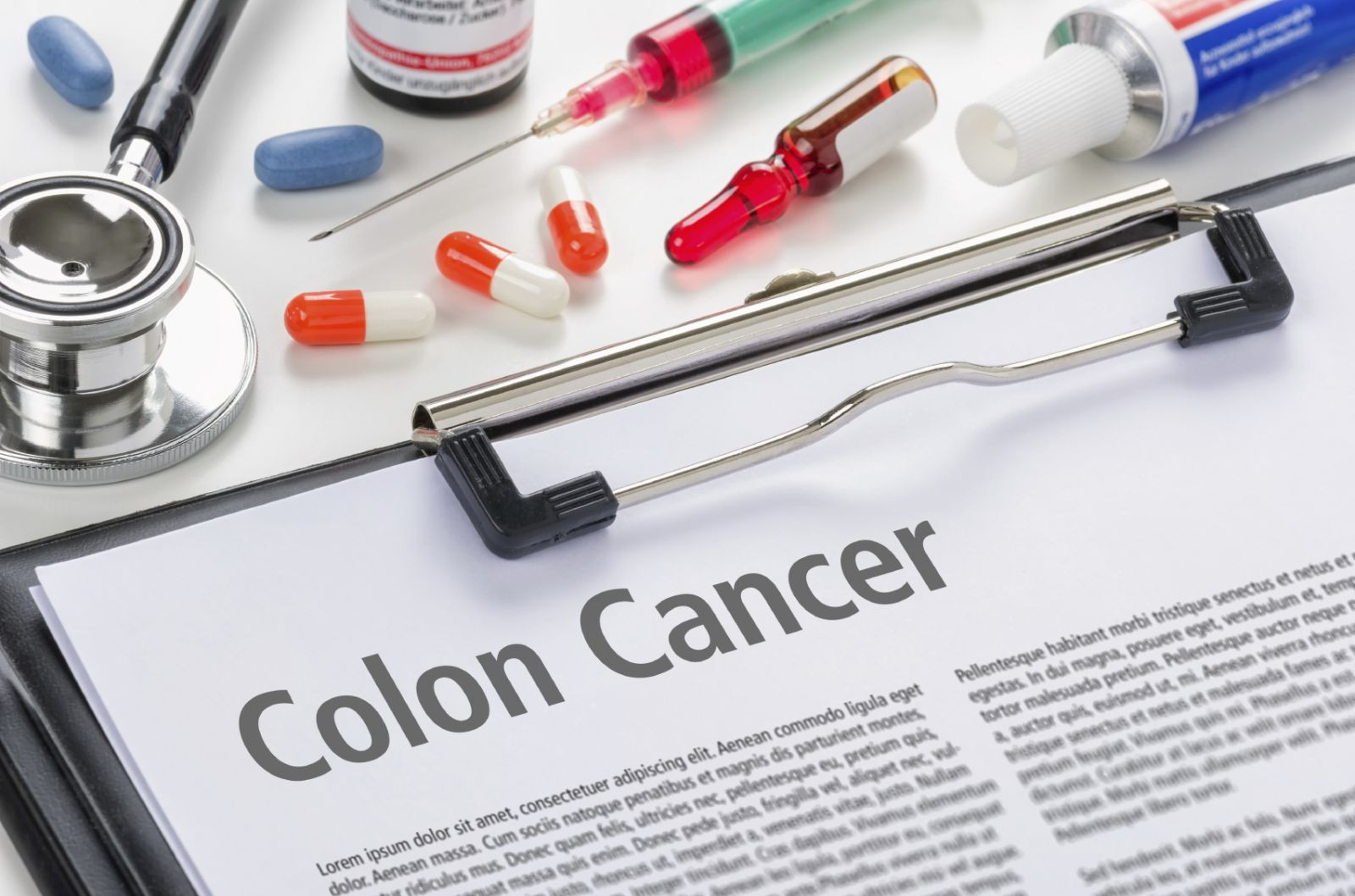
Colon cancer testing: What's in it for you?
Image: iStock
Being checked for hidden colorectal cancer is a smart bet, though it's hard to say whether it will ultimately extend your life span.
Recently, the National Colorectal Cancer Roundtable—a national organization of medical groups, health care providers, government agencies, and patient advocates—launched the "80% by 2018" initiative. The goal is to convince more people to get screened for hidden colorectal cancer. Right now, about 65% of Americans do so.


Which mammogram guidelines should I follow?
Ask the doctor
Q. I'm a 48-year-old woman, and I've never had a mammogram. Different guidelines seem to say different things. What do you recommend?
A. You're right, there are several different guidelines. Probably the two most often consulted by doctors are those of the U.S. Preventive Services Task Force (USPSTF) and the American Cancer Society (ACS). Recent changes by the ACS bring its recommendations nearer to those of USPSTF. They disagree slightly about you. ACS says you should have a mammogram (because you are over 45), but USPSTF says to begin at age 50. Both expert committees stress that these recommendations apply only to women who are not at extra risk of breast cancer (extra risk includes, for example, having a parent, sibling, or child who's had breast cancer). If a woman is at extra risk, she should start getting mammograms earlier.

Vasectomy and prostate cancer
Image: iStock
Ask the Doctor
Q. I had a vasectomy many years ago, at age 45. I recently read that this increases my risk of prostate cancer. Should I be concerned?
A. Despite the reports you've heard about the connection between vasectomy and prostate cancer, the evidence is weak for a cause-and-effect relationship. Right now, this hypothetical risk should not cause you undue concern.

Heartburn medications and the heart
| Image: ThinkStock |
Ask the doctor
Q. I've read news reports that the heartburn drug I take may cause heart attacks. Should I worry about this?
A. Several studies have reported an association between proton-pump inhibitors (PPIs) and heart attacks. PPIs are medications for heartburn, such as omeprazole (Prilosec) and pantoprazole (Protonix). Overall, however, the evidence suggests these medications are not risky for your heart.
Active surveillance is safe for low-risk prostate cancers
A new study confirms that active surveillance is a safe and reasonable alternative to immediate treatment for prostate cancer. In recently published study that followed 1,300 men, the prostate cancer survival rate after 10-15 years of active surveillance, was 99%. For some men, a strong discomfort with “living with cancer” may steer them away from postponing treatment in favor of careful monitoring.

Active surveillance is safe for low-risk prostate cancers
A new study confirms that active surveillance is a safe and reasonable alternative to immediate treatment for prostate cancer. In recently published study that followed 1,300 men, the prostate cancer survival rate after 10-15 years of active surveillance, was 99%. For some men, a strong discomfort with “living with cancer” may steer them away from postponing treatment in favor of careful monitoring.
Research we're watching: Analysis raises new questions about treating noninvasive breast cancer
The purpose of treating ductal carcinoma in situ (DCIS)—the earliest, noninvasive form of breast cancer (often called "precancer")—is to prevent those lesions from becoming invasive and thereby greatly reduce the risk of dying from breast cancer. As mammography has become more precise, it has detected more DCIS, and more women get treatment with surgery and often radiation as well. An analysis published online by JAMA Oncology on Aug. 20, 2015, adds to increasing questions about the best way to manage DCIS in most women diagnosed with it.
Canadian researchers analyzed 20 years of data from 108,000 women with DCIS in a database maintained by the National Cancer Institute. Most women were treated with lumpectomy, often followed by radiation, or mastectomy. The researchers found that treatment with radiation or mastectomy did not lower the overall breast cancer death rate in women with DCIS. It remained at 3.3%—the average death rate from all breast cancers. However there were some groups—including African American women and women under 40—in whom the death rate was higher (7% to 8%).
Ask the doctor: Do I need gallbladder surgery?
Q. I've been having abdominal pain that may be due to gallstones. Is surgery the best solution, or are there other things I can try first?
A. The first thing to determine is whether your abdominal pain is in fact due to gallstones. They typically cause pain on the upper right side or in the center of the abdomen just below the breastbone that radiates to the back or right shoulder. The pain is often brought on by eating—especially fatty foods—or may occur at night. Sometimes gallstone pain is accompanied by sweating, bloating, nausea, or vomiting.
Reading the current blood pressure guidelines
Oat vs. dairy milk: Nutrition, benefits, and downsides
Microplastics: A hidden health threat?
Healing after food poisoning
What is tempeh? Benefits, nutrition, and how to use it
Light exposure at night may raise risk for heart disease
Whole grains may improve several heart risk factors at once
A lumbar belt may help ease low back pain
Children of centenarians may stay healthier and live longer too, study finds
Signs of pneumonia: Sometimes vague and unexpected
Free Healthbeat Signup
Get the latest in health news delivered to your inbox!
Sign Up
