

Reading the current blood pressure guidelines

Oat vs. dairy milk: Nutrition, benefits, and downsides

Microplastics: A hidden health threat?

Healing after food poisoning

What is tempeh? Benefits, nutrition, and how to use it

Light exposure at night may raise risk for heart disease

Whole grains may improve several heart risk factors at once

A lumbar belt may help ease low back pain

Children of centenarians may stay healthier and live longer too, study finds

Signs of pneumonia: Sometimes vague and unexpected
Digestive Health Archive
Articles

Breast cancer: The good news
Personalizing breast cancer diagnosis and treatment has resulted in therapies that are more effective and less toxic than in the past.
Image: Thinkstock
The federal government's "Cancer Moonshot," with the expressed goal of curing cancer, is getting a lot of press lately. While the initiative's stated goal may be overly ambitious because cancer is actually 200 or more individual diseases, it promises to increase research funding and speed the availability of new treatments.
Amid the excitement, it's easy to overlook the fact that there has already been great progress in treating many cancers. Patients are enduring fewer side effects and living longer. Breast cancer is a prime example. "There's no question that breast cancer treatment is improving," says Dr. Ann Partridge, senior physician at the Susan F. Smith Center for Women's Cancers at Harvard-affiliated Dana-Farber Cancer Institute.

Ask the doctor: Concern about a now "normal" PSA
Ask the doctor
Q: I am 68 years old, and recently my PSA level (which was normal before) increased to 5.2 nanograms per milliliter (ng/ml). My doctor repeated the test one month later, and it was normal again at 3.3 ng/ml. Should I still be concerned?
A: One of the reasons that routine PSA testing is so controversial is the inability of the test to distinguish men with prostate cancer from those without it. A common cutoff is 4 ng/ml, but this is hardly a black-and-white answer. In fact, 30% of men with a PSA result between 4 and 10 have cancer. (The remaining 70% have benign causes, like an enlarged prostate.) In men with a "normal" PSA in the 2-to-4 range, 20% have cancer. So the risk is still present.

How music can help you heal
Music therapy can calm anxiety, ease pain, and provide a pleasant diversion during chemotherapy or a hospital stay.
It's almost impossible to find someone who doesn't feel a strong connection to music. Even if you can't carry a tune or play an instrument, you can probably reel off a list of songs that evoke happy memories and raise your spirits. Surgeons have long played their favorite music to relieve stress in the operating room, and extending music to patients has been linked to improved surgical outcomes. In the past few decades, music therapy has played an increasing role in all facets of healing.
What is music therapy?
Music therapy is a burgeoning field. People who become certified music therapists are usually accomplished musicians who have deep knowledge of how music can evoke emotional responses to relax or stimulate people or help them heal. They combine this knowledge with their familiarity with a wide variety of musical styles to find the specific kind that can get you through a challenging physical rehab session or guide you into meditation. And they can find that music in your favorite genre, be it electropop or grand opera.
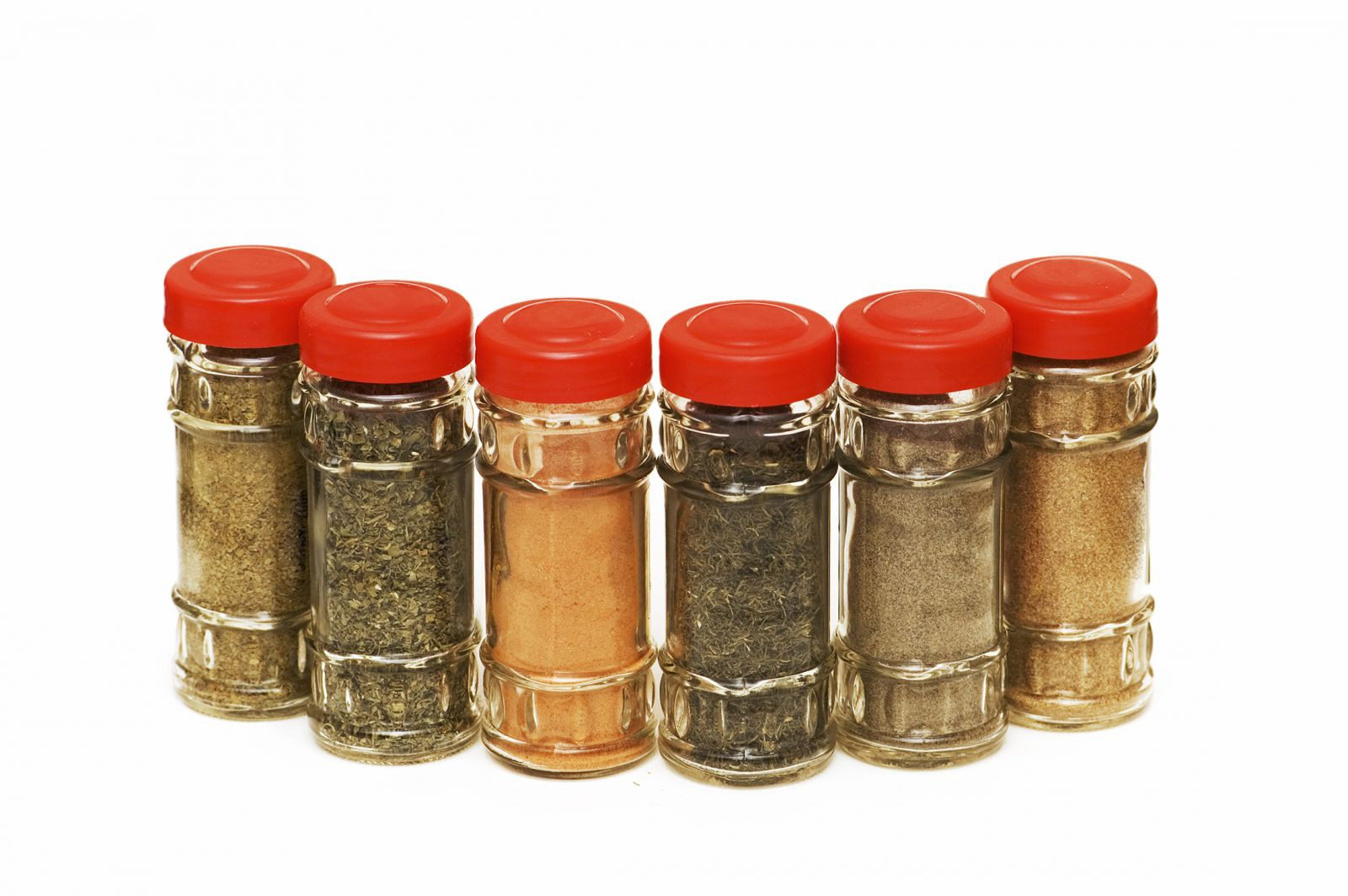
Can everyday spices make you healthier?
Turmeric, coriander, and cumin may boost your health and breathe new life into tired dishes.
The health benefits of foods such as berries, broccoli, and salmon are well known. But your kitchen's spice rack may also hold some secret weapons against conditions such as inflammation, heart disease, cancer, and more. "Spices are underused, but it would be very easy to take advantage of them and improve health," says Dr. Lipi Roy, an internal medicine physician at Harvard-affiliated Massachusetts General Hospital.
There are few large randomized trials that demonstrate spices' health effects. But many studies in animals suggest that several spices offer benefits. So instead of flavoring your food with salt and butter, which can contribute to high blood pressure and heart disease, consider using the following spices.

The empowering potential of end-of-life care
There’s almost always something we can do to improve our health and well-being — even at the end of our lives. Palliative care is designed to improve the quality of life for people with life-threatening illnesses and their families by keeping a person comfortable and making sure his or her values and preferences guide the medical team’s actions. For this reason, good communication with your care team — and your loved ones — is essential, even before you or a loved one has developed a serious illness.

Taking new aim at cancer
Last year, only months after announcing that he had an aggressive form of melanoma, former President Carter declared that he was cancer free — thanks at least in part to a recently approved immunotherapy drug. Immunotherapy is a type of targeted therapy that helps boost the body’s own immune response to cancer. It does so while sparing healthy cells, thus minimizing side effects.

Taking aim at cancer
Image: Thinkstock
Targeted cancer therapies have limits, but some may offer a better option than standard chemotherapy.
Mention cancer treatment, and most men think of chemotherapy—complete with hair loss and extreme fatigue. But for some men, there is another option. Targeted therapies can sometimes treat certain cancers with fewer side effects and better outcomes.
Some prostate cancer treatments increase heart attack risk
In the journals
If you have suffered a heart attack and plan to undergo prostate cancer treatment, you may want to weigh the risks and benefits of androgen deprivation therapy (ADT). ADT decreases the amount of androgens in the body, which prostate cancer needs to grow and survive. It is also often used along with radiation therapy, and the combination has been shown to prolong survival in men with unfavorable-risk prostate cancer—defined as cancer with two or more high-risk factors, like a PSA level between 10 and 40 ng/mL, a Gleason score of 7 or higher, or biopsies with 50% or higher cancerous cells.
But a study in The Journal of the American Medical Association suggests that men who had a prior heart attack can increase their risk of a fatal one if they undergo both radiation therapy and ADT. Researchers compared overall survival and death from prostate cancer, fatal heart attack, and other causes in a group of 206 men with unfavorable-risk prostate cancer. The men received either radiation alone, or radiation and six months of ADT. The researchers also categorized the men into subgroups based on other health conditions, including heart disease.

Reading the current blood pressure guidelines
Oat vs. dairy milk: Nutrition, benefits, and downsides
Microplastics: A hidden health threat?
Healing after food poisoning
What is tempeh? Benefits, nutrition, and how to use it
Light exposure at night may raise risk for heart disease
Whole grains may improve several heart risk factors at once
A lumbar belt may help ease low back pain
Children of centenarians may stay healthier and live longer too, study finds
Signs of pneumonia: Sometimes vague and unexpected
Free Healthbeat Signup
Get the latest in health news delivered to your inbox!
Sign Up
