

Even a little exercise linked with lower stroke risk in people with afib

Testosterone therapy without evidence of deficiency may boost heart risk

Weight-loss drug may lower risk of heart attacks and infections

What to eat on the DASH diet

Migraine: How it's diagnosed and what that means

Tricep workouts you can do at home

Mindfulness practices to reduce stress and improve focus

Antihistamines may not offer meaningful relief from eczema symptoms

Overweight and taking blood pressure medications: Study finds it's a trend that's working

FDA approves first mRNA-based flu vaccine
Dietary patterns Archive
Articles
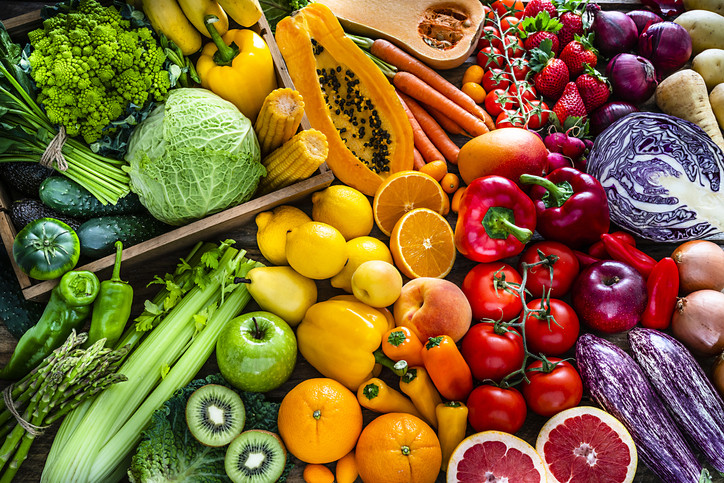
Better heart health in eight weeks? Double down on fruits and veggies
Want to improve heart health? New research based on blood samples from the original DASH diet shows the DASH diet and another diet high in fruits and veggies can lower measures of heart strain and heart muscle damage within eight weeks.

Seed of the month: Quinoa
Although quinoa (pronounced KEEN-wah) is officially classified as a seed, most people think of it as a whole grain. Quinoa is usually boiled and eaten as a side dish or added to salads or soups. The small seeds come in a variety of colors, including white, yellow, red, and black.
Native to South America, quinoa became popular in this country over the past decade and is widely available in grocery stores, either packaged or in bulk bins. Quinoa's impressive nutrient profile has earned it a reputation as a "superfood." Unlike most plant proteins, quinoa is a complete protein, which means it contains all nine essential amino acids — the protein components that our bodies are unable to make on their own.

Vegetarian diet linked to lower stroke risk
Research we're watching
Eating a vegetarian diet may lower your risk of stroke, according to a study in the March 17 issue of Neurology.
The study included two groups of people from Buddhist communities in Taiwan, where vegetarian diets are encouraged. About 30% of the more than 130,000 participants were vegetarian, meaning they didn't eat any meat or fish. Their average age was 50, and none had a prior stroke.

10 healthy diet staples for your emergency food kit
Take this list to the grocery store when stocking up on supplies.
Social distancing, severe weather, a lack of transportation — each one can keep you from getting to a grocery store, leaving you with precious little to eat. When you're looking at a near-empty pantry with an oddball collection of remaining goods — like a lonely box of penne pasta or a random can of beans — it's a sign to prepare differently next time. Fortunately, it's not hard to create an emergency supply kit to hold you over until you can get to the store or have someone shop for you.
Important supplies
Lean on nonperishable items if you're worried about losing power, and add frozen foods if the bigger concern is not getting to a grocery store. Avoid convenience foods like frozen dinners and canned soups, which typically contain excessive amounts of salt, fat, calories, preservatives, and added sugars.
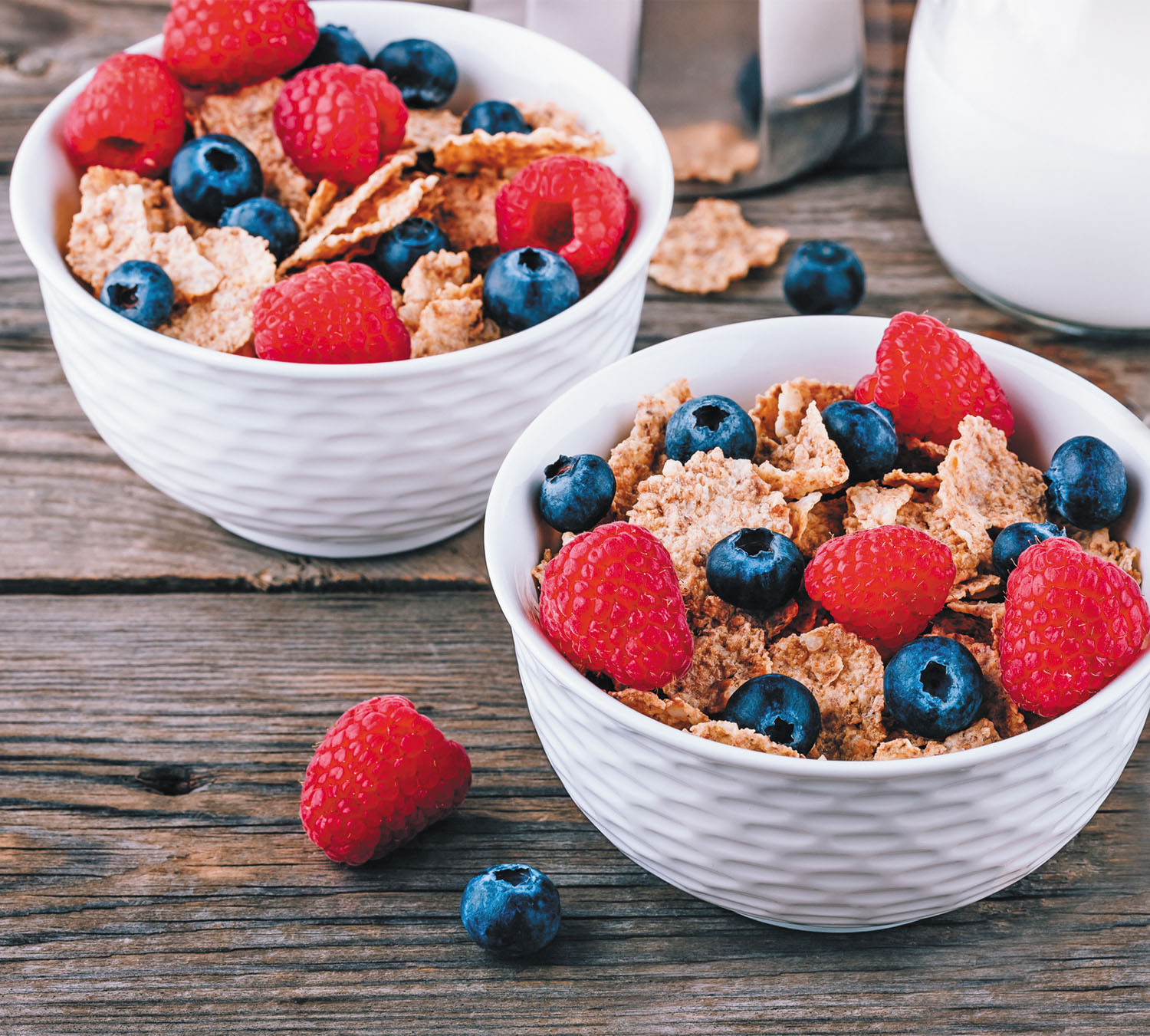
Crank up your fiber intake to manage blood sugar and diabetes
News briefs
Struggling with high blood sugar or diabetes? A study published online March 6, 2020, by PLOS Medicine suggests that increasing your daily fiber intake may help. British researchers combed through dozens of studies with about 10,000 participants who had prediabetes, gestational diabetes, type 1 diabetes, or type 2 diabetes. Compared with people who ate low-fiber diets (19 grams of fiber per day), people who ate another 16 grams of fiber per day (a total of 35 grams per day) weighed less and had lower levels of blood sugar, cholesterol, and inflammation. There were also 14 fewer deaths per 1,000 people among those who ate high-fiber diets. If you'd like to increase your fiber intake, try to eat more fiber-rich foods at each meal. Good sources include whole-grain cereals, legumes, and nuts. For example, a cup of bran cereal has up to 47 grams of fiber, depending on the brand; half a cup of white beans has about 10 grams of fiber; and an ounce of almonds has about 13 grams of fiber. Increase fiber intake slowly, to give your digestive tract time to adjust, and remember to increase your water intake as well.
Image: © wmaster890/Getty Images


Your complete guide to choosing a yogurt to meet your needs
Feeling dazed and confused in the yogurt aisle? Here's some information to help you make good choices.
Yogurt used to be pretty straightforward. It came in small, simple containers, with a swirl of fruit on the bottom if you were lucky. Not anymore. Today there's Greek yogurt, shakes, and tasty-looking cups with sprinkles and crushed cookies. Yogurt is blended into smoothies and squirted into portable tubes and pouches. Over in the ice cream aisle, there are even more options, with a variety of frozen yogurt products in tubs and handheld popsicles.
This gives you lots of choices but might also leave you wondering which one to pick. At the root of the dilemma is this question: is yogurt a health food or a dessert? The truth is, today's yogurt can be either, depending on the type you choose. This means you've got to do a little detective work to figure it out.

Inflammatory foods are linked with higher colon cancer risk
In the journals
Certain foods may trigger inflammation in the body that can increase a person's risk for colon cancer, suggests a study published online Jan. 18, 2018, by JAMA Oncology.
Researchers followed the diets of more than 121,000 people (46,800 of whom were men) for 26 years. Participants recorded what they ate, and their diets were scored based on the amount of foods consumed that are linked to inflammation, such as red and processed meats, sugary beverages, and refined grains.

I have inflammatory bowel disease (IBD). What should I eat?
For people with inflammatory bowel disease (IBD), knowing which foods to eat and which to avoid is important information. An international organization has developed guidelines for some kinds of food, with the aim of helping people with this condition reduce symptoms and inflammation.

Regular tea drinking linked to better heart health
Research we're watching
Sipping a cup of tea at least every other day or so may be good for your heart, according to a study published online January 9 by the European Journal of Preventive Cardiology.
The study included data from more than 100,000 Chinese adults who were part of a long-term health study. The participants provided health and behavioral information, including how much tea they drank. The follow-up lasted an average of seven years.
Even a little exercise linked with lower stroke risk in people with afib
Testosterone therapy without evidence of deficiency may boost heart risk
Weight-loss drug may lower risk of heart attacks and infections
What to eat on the DASH diet
Migraine: How it's diagnosed and what that means
Tricep workouts you can do at home
Mindfulness practices to reduce stress and improve focus
Antihistamines may not offer meaningful relief from eczema symptoms
Overweight and taking blood pressure medications: Study finds it's a trend that's working
FDA approves first mRNA-based flu vaccine
Free Healthbeat Signup
Get the latest in health news delivered to your inbox!
Sign Up
