

Even a little exercise linked with lower stroke risk in people with afib

Testosterone therapy without evidence of deficiency may boost heart risk

Weight-loss drug may lower risk of heart attacks and infections

What to eat on the DASH diet

Migraine: How it's diagnosed and what that means

Tricep workouts you can do at home

Mindfulness practices to reduce stress and improve focus

Antihistamines may not offer meaningful relief from eczema symptoms

Overweight and taking blood pressure medications: Study finds it's a trend that's working

FDA approves first mRNA-based flu vaccine
Dietary patterns Archive
Articles

Flavonoids: The secret to health benefits of drinking black and green tea?
Plant chemicals known as flavonoids may explain why tea drinkers seem less likely to have cardiovascular disease.
Black or green, hot or iced, tea is gaining in popularity. Many cities and shopping malls feature specialty tea shops, and bottled teas vie for space on store shelves. The tea market continues to grow year after year.
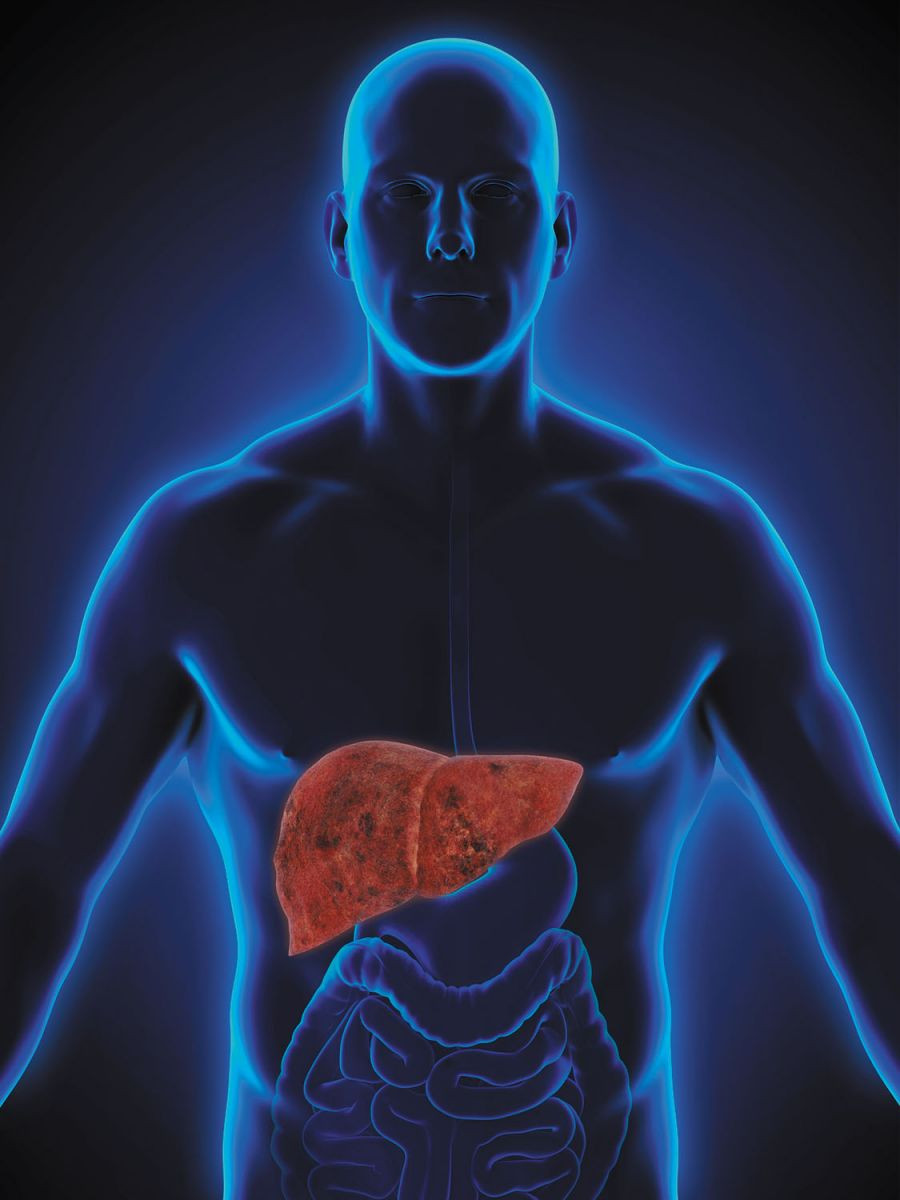
The skinny on fatty liver disease
Rates continue to rise, but there are ways to protect yourself and even reverse the effects of this dangerous disorder.
Your liver is your largest internal organ and your body's workhorse. Among its many jobs are converting food into fuel, processing fat from your blood, clearing harmful toxins, and making proteins that help your blood clot. Yet this hard-working, supersized organ is susceptible to a dangerous and often hard-to-diagnose condition called nonalcoholic fatty liver disease, or NAFLD.
NAFLD is defined as the presence of fat in more than 5% of liver cells. It is the most common liver disease and affects up to 25% of American adults, 60% of whom are men.

Stop counting calories
Put the focus on food quality and healthy lifestyle practices to attain a healthy weight.
Most people have been taught that losing weight is a matter of simple math. Cut calories — specifically 3,500 calories, and you'll lose a pound. But as it turns out, experts are learning that this decades-old strategy is actually pretty misguided.
"This idea of 'a calorie in and a calorie out' when it comes to weight loss is not only antiquated, it's just wrong," says Dr. Fatima Cody Stanford, an obesity specialist and assistant professor of medicine and pediatrics at Harvard Medical School.

Even a small apple a day may help keep diabetes away
News briefs
A modest uptick in the amount of fruit and vegetables you eat can help ward off type 2 diabetes, according to a study published online July 8, 2020, by The BMJ. From a much larger study involving some 340,000 people from eight European countries, scientists selected 9,754 participants who were newly diagnosed with diabetes over a decade. Researchers compared the fruit and vegetable intakes of these people to those of about 13,000 participants who remained diabetes-free during the study period. Researchers also measured blood levels of seven key plant-derived nutrients, including vitamin C and brightly colored antioxidant pigments called carotenoids. People with the highest intakes of fruit and vegetables and the highest blood levels of the plant-derived nutrients were 25% to 50% less likely to get diabetes during the study period, compared with those who ate the least of these food groups or had the lowest nutrient levels. Even better, it didn't take a whole lot of extra green, red, yellow, and orange on the plate to make a dent in diabetes risk. The equivalent of only two-thirds of a medium apple or just over one-third of a cup of mixed fruit each day offered protection.
Image: © RomoloTavani/Getty Images

Do probiotics help relieve depression?
News briefs
Probiotic supplements containing helpful bacteria and yeast are marketed as a way to maintain a diverse mix of healthy gut microbes. Now, a review published online July 6, 2020, by BMJ Nutrition, Prevention & Health suggests that probiotic supplements may help relieve depression symptoms. Scientists evaluated seven clinical trials from the past 15 years, which tested a total of 12 different strains of helpful bacteria. One trial in the review tested a "prebiotic," a type of plant fiber that provides food for gut bacteria. Scientists concluded that 11 of these probiotics, either alone or combined with prebiotics, were potentially useful for relieving symptoms of depression, perhaps by reducing inflammation that could affect brain function. The studies were small and short-term, but taken together, they suggest a gut-based approach to maintaining emotional well-being is worth pursuing. In the meantime, talk therapy, exercise, and medications remain the most effective approaches to treat depression. To support your gut health without expensive probiotic supplements, enjoy foods that naturally contain probiotics, such as yogurt, kefir, and sauerkraut. The prebiotic powers of whole grains also may support a healthy gut.
Image: LightFieldStudios/Getty Images

Putting the kibosh on belching
Constant burping can be annoying — and embarrassing! But there are some simple steps that can help you squelch belching. The key is to reduce the amount of air you swallow.
Start by looking at some simple habits. Two of the biggest culprits behind swallowing too much air are chewing gum and smoking. Drop these habits and you'll be gulping less air — and quitting smoking has even more important health benefits! If you wear dentures, make sure they fit snugly. And avoid "high-air" foods and beverages like carbonated beverages and whipped desserts. After eating, consider taking a stroll rather than plunking down in front of the TV. Staying upright and moving helps your stomach empty and relieves bloated feelings. When it's time to go to bed, try sleeping on your stomach or right side to aid in the escape of gas and alleviate fullness.

Harvard Health Ad Watch: Are nutritional drinks actually good for you?
If you believe ads for nutritional supplement drinks, you might think you can improve your health by drinking them. But for most people, their value is questionable and their cost adds up.

To prevent cancer, boost your exercise and don’t drink
Research we're watching
Move your body more and skip the alcohol to reduce your risk of cancer, says the American Cancer Society in its new cancer prevention guidelines. The updated recommendations, published online June 9, 2020, by CA: A Cancer Journal for Clinicians, also recommend cutting down on sugar and red meat, based on a review of the most recent scientific evidence.
Specifically, the new guidelines say that instead of exercising moderately for 150 minutes a week or doing 75 minutes of vigorous activity, adults should try to squeeze in 150 to 300 minutes of moderate activity or 75 to 150 minutes of vigorous activity — and that the higher number should be the target. As for diet, people interested in reducing their risk of cancer should aim to eat more plants, including whole (not refined) grains and at least two-and-a-half cups of colorful fruits and vegetables each day, and less sugar and meat (specifically limiting processed and red meat whenever possible). In the past, the ACS recommended moderate alcohol intake, but the new guideline says it's better to avoid alcohol altogether if possible. People who do drink should still stick to the previous recommended limits: no more than one drink a day for women and two drinks a day for men.

Harvard study links inflammatory diet to Crohn’s disease
News briefs
Eating a diet high in foods tied to inflammation — such as processed meat, sweets, and refined grains — is associated with many health problems, including an increased risk for colon cancer, heart disease, stroke, or diabetes. A Harvard study published online May 7, 2020, by Gastroenterology found another potential risk: Crohn's disease, a condition characterized by areas of inflammation throughout the large and small intestines. Researchers evaluated 30 years' worth of self-reported diet information from more than 208,000 men and women. Diets were scored based on foods that promote inflammation. Compared with people who had the lowest inflammatory diet scores, people with the highest scores had a 51% higher risk for developing Crohn's disease. The risk for Crohn's doubled among people who went from a low- to a high-inflammatory diet during the study. The study is observational and doesn't prove that an inflammatory diet causes Crohn's disease. But with so many other risks associated with foods that promote inflammation, it's important to eat as many foods that fight inflammation as possible. In other words, focus on whole, unprocessed foods with no added sugar — such as vegetables, fruits, whole grains, legumes (beans, lentils), fish, poultry, nuts, seeds, a little bit of low-fat dairy, and olive oil.
Image: © dla4/Getty Images

Vitamin K may offer protective health benefits in older age
In the journals
Vitamin K is an often ignored nutrient, but new research has found that low levels among older adults may increase their risk of early death. The findings were published in the June 2020 issue of The American Journal of Clinical Nutrition.
Researchers looked at about 4,000 adults ages 54 to 76 who were involved in three studies. Everyone was free of heart disease at the start of the analysis. The researchers categorized the people according to their blood levels of vitamin K, and compared that information with rates of heart disease and death over 13 years. The results showed no definite link between vitamin K levels and heart disease. However, people with the lowest vitamin K levels were 19% more likely to die during the study period than those whose K levels were adequate.
Even a little exercise linked with lower stroke risk in people with afib
Testosterone therapy without evidence of deficiency may boost heart risk
Weight-loss drug may lower risk of heart attacks and infections
What to eat on the DASH diet
Migraine: How it's diagnosed and what that means
Tricep workouts you can do at home
Mindfulness practices to reduce stress and improve focus
Antihistamines may not offer meaningful relief from eczema symptoms
Overweight and taking blood pressure medications: Study finds it's a trend that's working
FDA approves first mRNA-based flu vaccine
Free Healthbeat Signup
Get the latest in health news delivered to your inbox!
Sign Up
