

Even a little exercise linked with lower stroke risk in people with afib

Testosterone therapy without evidence of deficiency may boost heart risk

Weight-loss drug may lower risk of heart attacks and infections

What to eat on the DASH diet

Migraine: How it's diagnosed and what that means

Tricep workouts you can do at home

Mindfulness practices to reduce stress and improve focus

Antihistamines may not offer meaningful relief from eczema symptoms

Overweight and taking blood pressure medications: Study finds it's a trend that's working

FDA approves first mRNA-based flu vaccine
Dietary patterns Archive
Articles

Inflammatory foods and sweet drinks raise heart disease risk
In the journals
Two recent studies shined a new spotlight on how inflammatory foods and drinks can affect heart disease risk. One study, published Nov. 10, 2020, in the Journal of the American College of Cardiology, looked at the impact high- and low-inflammatory diets had among 210,000 people free of heart disease at the beginning of the study. High-inflammatory diets were defined as those with more red, processed, and organ meats; refined carbohydrates; and sweetened drinks. In contrast, anti-inflammatory diets emphasize leafy greens (kale, spinach), dark yellow and orange vegetables (yellow peppers, carrots), whole grains, fruits, tea, coffee, and moderate amounts of red wine.
Participants' eating habits were recorded every four years for up to 32 years. Those who followed a high-inflammatory diet ended up with a 38% higher risk of heart disease and a 28% higher risk of stroke than those who ate a low-inflammatory diet.

The no-drug approach to mild depression
Looking for a boost or alternative to antidepressant medicines? Here are four therapies that may help relieve your symptoms.
Image: © RgStudio/Getty Images
Many people suffer bouts of mild or moderate depression as they age. Health issues and the loss of a spouse, family member, or friend are common triggers that can lead to persistent sadness and loss of enjoyment.
While antidepressants like selective serotonin reuptake inhibitors (SSRIs) can be helpful to relieve and control symptoms, they are not always the right choice.
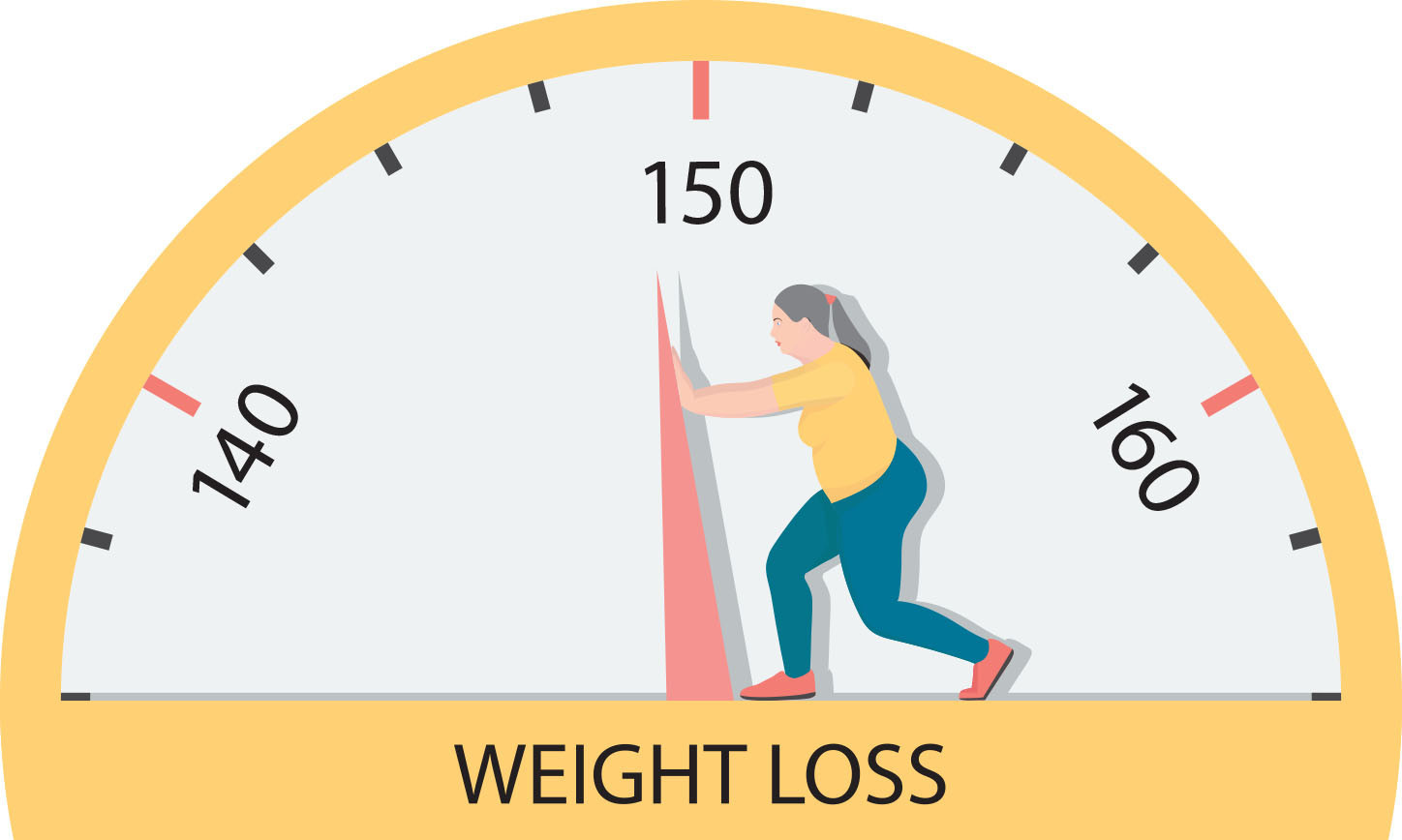
Tips to keep lost weight off in the New Year
Work with your body, not against it, for long-term weight maintenance.
For many people, their New Year's resolutions include some sort of weight-loss goal. However, while extra pounds often come off, evidence shows they rarely stay off. Among overweight or obese people who are able to lose 10% of their body weight, just one in six is able to maintain the weight loss for at least a year.
Experts say it's not surprising that weight loss rarely sticks, considering what they now know about how the body works. "Most people believe that obesity is caused by overeating, while we now recognize that the main driver of obesity is one or more disruptions in the body's normal regulation of the amount of fat we maintain," says Dr. Lee Kaplan, an associate professor of medicine at Harvard Medical School and director of the Obesity, Metabolism, and Nutrition Institute at Massachusetts General Hospital.

Another benefit of drinking green tea or coffee
News briefs
Drinking coffee or green tea is associated with many health benefits, such as better cardiovascular health, lower inflammation levels, and a reduced risk for developing chronic disease. Now, a study published online Oct. 20, 2020, by BMJ Open Diabetes Research & Care suggests tea and coffee consumption are also linked to a reduced risk for early death among people with diabetes. Researchers evaluated the health and self-reported lifestyle habits — including diet — of about 5,000 people in Japan over five years. Compared with people who didn't drink any coffee or green tea, people who drank the most had much lower risks of premature death from any cause: about 40% lower for people who drank either two cups of coffee or four cups of tea per day; and 63% lower for people who drank both four cups of tea plus two cups of coffee per day. The study is only observational and doesn't prove that the drinks keep people alive longer. But we know coffee and tea contain powerful plant compounds with anti-inflammatory and antioxidant properties that are good for health.
Image: © taa22/Getty Images

Gut check: How the microbiome may mediate heart health
Your cholesterol and other factors linked to cardiovascular health may be influenced by the bacteria in your belly.
The roughly 38 trillion bacteria that dwell deep within your intestines perform many important tasks. Collectively known as the gut microbiota, these microbes help digest food, metabolize medications, and protect you from infectious organisms.
In many ways, your gut microbiota — which weighs about half a pound in total — functions somewhat like a distinct organ in your body. Just as you have a unique genome, you also have a unique gut microbiome, consisting of some eight million genes that control your microbiota. Scientists are still learning how the composition and diversity of the gut microbiome influence the health of the cardiovascular system.

Vitamins A, E, and D tied to fewer colds, lung disorders
News briefs
Getting enough vitamins through diet (or a multivitamin, if necessary) is one of the best ways to bolster your immune system. And you may wonder if vitamins can also ward off colds and other respiratory conditions. An observational study published Oct. 27, 2020, by BMJ Nutrition Prevention & Health offers encouraging news. Researchers evaluated the self-reported diet information of more than 6,000 British adults over eight years. People who reported the highest intakes of vitamins A and E from both diet and supplements, and high intake of vitamin D just from supplements, had the fewest complaints of respiratory illness, such as colds, asthma, and chronic obstructive pulmonary disease. The study doesn't prove that these vitamins prevented respiratory problems, but other studies have linked them to lower risks for respiratory disease. Vitamins are most effective when they come from diet. Good sources of vitamin A include liver; whole milk; cheese; carrots; and dark, leafy greens. Good sources of vitamin E include vegetable oils, nuts, and seeds. It's difficult to get enough vitamin D from food (such as fish or fortified milk), so taking 1,000 IU of vitamin D3 provides some insurance.
Image: © o-che/Getty Images

How important are whole grains in my diet?
On call
Q. I eat plenty of fruits and vegetables, but are whole grains also important?
A. Fruits and vegetables seem to get top billing on the healthy food list, but I put whole grains right up there. There are two types of grain: whole and refined. All grains grow as kernels, and each kernel has three layers:

Fruit of the month
Editor's note: This year, we're highlighting fruits on this page. Starting in February, we'll showcase a different type of fruit or group of related fruits, such as citrus fruits or melons. We'll include ideas about the best ways to add more of these heart-healthy foods into your diet.
If you eat berries with breakfast, snack on a banana, and toss some cubed apple or pear in your dinner salad, you can easily meet the recommended amount of fruit for adults, which is 1.5 to 2 cups per day. But such habits are unusual: Fewer than one in 10 Americans consumes even the minimum recommended amount of fruit, according to a national federal survey.

Artificially sweetened drinks: No heart health advantage?
Research we're watching
Think you're doing your heart a favor by drinking diet instead of regular soda? That may be wishful thinking, according to a research letter published Nov. 3, 2020, in the Journal of the American College of Cardiology.
Researchers studied nearly 105,000 people who filled out three 24-hour dietary recall surveys every six months. During a 10-year follow-up, researchers tracked the participants' cardiovascular health.

Reset your schedule, reset your health
Schedule shifts can hurt your health. The New Year is a great time to hit the reset button.
Throughout most of human history, the pattern of daily life was regular. Dreary for many, but regular. In recent centuries, "modern" life has introduced many irregularities, including changing work schedules. Advances in information technology mean that many of us are always connected — and that we spend time connecting at all hours. And the COVID-19 pandemic has introduced whole new irregularities into daily life.
One thing is certain: "When your schedule changes, you can lose the regular self-care routines that kept you active, eating right, and managing stress — things we need to control weight and inflammation and fight disease," says Dr. Monique Tello, a primary care physician and healthy lifestyle specialist with Harvard-affiliated Massachusetts General Hospital.
Even a little exercise linked with lower stroke risk in people with afib
Testosterone therapy without evidence of deficiency may boost heart risk
Weight-loss drug may lower risk of heart attacks and infections
What to eat on the DASH diet
Migraine: How it's diagnosed and what that means
Tricep workouts you can do at home
Mindfulness practices to reduce stress and improve focus
Antihistamines may not offer meaningful relief from eczema symptoms
Overweight and taking blood pressure medications: Study finds it's a trend that's working
FDA approves first mRNA-based flu vaccine
Free Healthbeat Signup
Get the latest in health news delivered to your inbox!
Sign Up
