

Even a little exercise linked with lower stroke risk in people with afib

Testosterone therapy without evidence of deficiency may boost heart risk

Weight-loss drug may lower risk of heart attacks and infections

What to eat on the DASH diet

Migraine: How it's diagnosed and what that means

Tricep workouts you can do at home

Mindfulness practices to reduce stress and improve focus

Antihistamines may not offer meaningful relief from eczema symptoms

Overweight and taking blood pressure medications: Study finds it's a trend that's working

FDA approves first mRNA-based flu vaccine
Dietary patterns Archive
Articles

Precious metals and other important minerals for health
Make sure your diet meets the recommended mineral targets.
Image: © fstop123/Getty Images
Gold, silver, and platinum get all the attention as the world's most precious metals. But they're more precious for the global economy than for human health. Instead, other metals and minerals (metals are one type of mineral) are more important for our health (see "What essential metals do for us"). Indeed, some of them are so important that we can't live without them. "Each one plays a role in hundreds of body functions. It may take just a very small quantity of a particular mineral, but having too much or too little can upset a delicate balance in the body," says Dr. Bruce Bistrian, chief of clinical nutrition at Beth Israel Deaconess Medical Center.
What essential metals do for usMany metals are used to make strong and durable everyday objects, like copper pipes or iron skillets. But they don't form such strong and durable objects in our bodies. Instead, many essential metals are needed to activate enzymes — molecules with important jobs in the body. And metals have many other essential roles as well. For example:
|

The pros and cons of root vegetables
They're packed with nutrients but high in starchy carbohydrates.
Image: © rudisill/Getty Images
Root vegetables — like turnips, rutabagas, and parsnips — may not be the sexiest foods on the table. But they're big celebrities in a number of cuisine trends like the "vegetable forward" movement (which elevates vegetables into creative entrees and side dishes) and root-to-stem cooking (which uses every part of a vegetable, including the tops, stems, and skins).
While it's fun to use old standbys in more interesting ways (like roasted parsnips with pistachio and lemon), it's important to eat root vegetables judiciously. "They are so high in carbohydrates that they are more like grains than greens. It makes more sense to put them in the same category as breads, rice, or pasta," says dietitian Teresa Fung, adjunct professor in the nutrition department at the Harvard T.H. Chan School of Public Health.
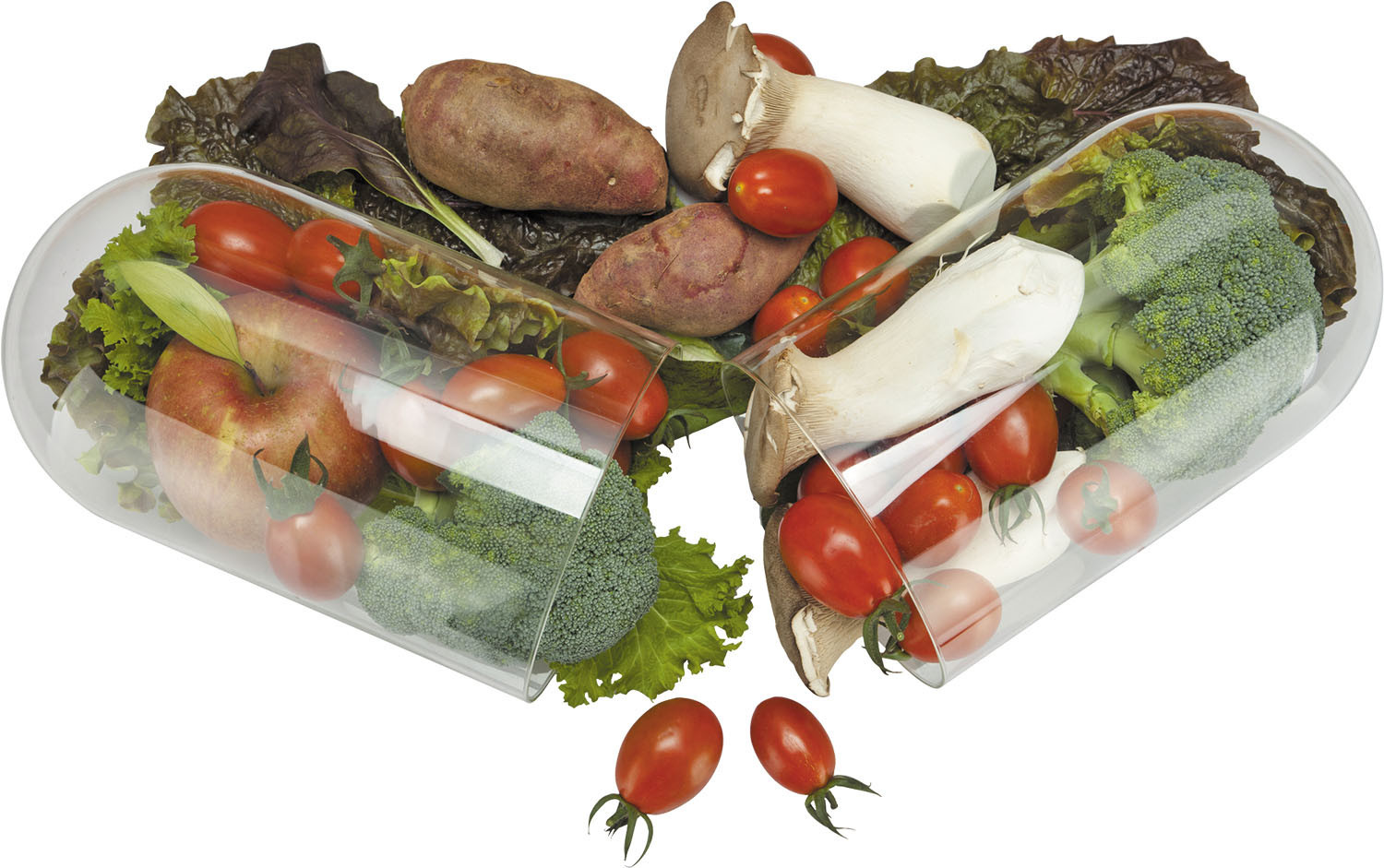
Do you need a daily supplement?
Most older adults take some kind of over-the-counter dietary supplement. But are these products right for everyone?
Image: © phototake/Getty Images
Over-the-counter dietary supplements are big business — more than 90,000 products generate about $30 billion every year in the United States. Older adults make up a big part of these sales, too. A survey of almost 3,500 adults ages 60 and older published Oct. 1, 2017, in The Journal of Nutrition found that 70% use a daily supplement (either a multivitamin or individual vitamin or mineral), 54% take one or two supplements, and 29% take four or more.
But are these pills good medicine, or a waste of money?

Can taking aspirin regularly help prevent breast cancer?
Experts say there's little evidence that low-dose aspirin therapy brings benefits, and there are some risks.
In recent years, there's been a lot of talk about the potential benefits, and risks, of a regular regimen of low-dose aspirin. While much of the discussion has centered on whether taking low-dose aspirin can head off cardiovascular disease, some of the focus has also been on breast cancer. Can regular doses of this over-the-counter pain reliever reduce your risk of this common cancer?
For a while there were hints that the evidence was leaning that way. Back in 2017, this area of research, while still inconclusive, was somewhat promising. For example, a 2017 study published in Breast Cancer Research found that among some 57,000 women, those who reported taking low-dose aspirin (81 mg) at least three times a week had a 16% lower risk of breast cancer over all and a 20% lower risk of a specific type of hormonally driven breast cancer.

Can you supercharge the Mediterranean diet?
News briefs
A Mediterranean-style diet is rich in vegetables, legumes, fruits, whole grains, nuts, seeds, poultry, fish, and olive oil, and it's associated with lower risks for heart disease and diabetes. And a "greener" version of the eating style might be even more effective, according to a small, randomized study published online Nov. 23, 2020, by the journal Heart. Researchers — some from Harvard — recruited about 300 sedentary, middle-aged people (mostly men) with high cholesterol or abdominal obesity and divided them into three groups. One received guidance for exercise and a healthy diet; another received exercise guidance and was assigned to eat a calorie-restricted Mediterranean diet; and one group received exercise guidance and was assigned to eat a "greener" calorie-restricted Mediterranean diet with less animal-based and more plant-based proteins (including walnuts and a type of duckweed — an aquatic plant), plus lots of green tea. After six months, people on the "green" diet had lost more weight and inches around their middles, and had bigger drops in cholesterol, than people in the other two groups. "Green" dieters also had steeper declines in insulin resistance, inflammation markers, and diastolic blood pressure (the lower number in the measurement), compared with the other two groups.
Image: © Lilechka75/Getty Images

How do you avoid kidney stone attacks?
On call
Q. I want to avoid another kidney stone attack. What's your advice about diet, coffee, tea, and alcohol?
A. The foods you eat and the amount of fluid you drink can contribute to some types of kidney stones. Certainly, you can help prevent recurrent kidney stones by paying attention to your fluid and food intake.

Eating foods that trigger inflammation may lead to cardiovascular disease
Research we're watching
Diets rich in foods that trigger chronic inflammation inside the body may raise your risk of developing cardiovascular disease. A study by a team of Harvard researchers, published Nov. 10, 2020, in the Journal of the American College of Cardiology, found that people who ate more inflammation-provoking foods, like sugary drinks, red and processed meat, and refined carbohydrates, were 38% more likely to develop cardiovascular disease than those who ate a diet that helped to combat chronic inflammation. Inflammation-inhibiting foods tend to have more fiber and antioxidants, such as leafy greens, fruit, whole grains, and tea and coffee.
To come to these conclusions, the study authors looked at data from more than 200,000 women and men from three large studies, the Nurses' Health Study I and II and the Health Professionals Follow-Up Study. The participants were followed, in some cases, for more than three decades. The authors said follow-up studies will be needed to confirm their results, but their findings suggest that developing anti-inflammatory diets may help to prevent cardiovascular disease.

Fruit of the month: Bananas
Bananas are one of the most popular fruits in the United States, perhaps because they're affordable (about 58 cents per pound, on average) and available year-round.
Among all fruits, bananas are one of best sources of potassium, with about 450 milligrams (mg) per banana. Healthy adults not on certain medications should aim for 4,700 mg of potassium daily, although few Americans meet this goal. A high potassium intake may help reduce high blood pressure and has also been linked to a lower risk of stroke and possibly heart disease.

Cohabitating couples share heart-related habits, risks
Research we're watching
Couples who live together tend to have similar health habits. But only about one in five couples falls into the "ideal" category for heart-healthy habits and risk factors, suggests a study in the Oct. 26, 2020, issue of JAMA Network Open.
Researchers looked at health data on 5,365 couples from diverse racial and economic backgrounds throughout the United States. Most were in their 40s and 50s. Based on risk factors from the American Heart Association's Life's Simple 7 (smoking status, body mass index, exercise, diet, total cholesterol, blood pressure, and fasting blood sugar), researchers categorized individuals and couples as poor, intermediate, or ideal for each factor and over all.

Will these surprising factors really raise your blood sugar?
Learn what will and won't increase blood sugar levels and put your health in jeopardy.
It's essential to keep your blood sugar from spiking (rising suddenly), whether you're healthy or you're among the 122 million Americans who have diabetes or prediabetes. But with all the conflicting advice in circulation, it can be hard to figure out what foods and habits you need to avoid.
Bogus claims
On the Internet you'll find many reports of factors that purportedly increase blood sugar. Here are a few claims that you should know about because they just don't hold up.
Even a little exercise linked with lower stroke risk in people with afib
Testosterone therapy without evidence of deficiency may boost heart risk
Weight-loss drug may lower risk of heart attacks and infections
What to eat on the DASH diet
Migraine: How it's diagnosed and what that means
Tricep workouts you can do at home
Mindfulness practices to reduce stress and improve focus
Antihistamines may not offer meaningful relief from eczema symptoms
Overweight and taking blood pressure medications: Study finds it's a trend that's working
FDA approves first mRNA-based flu vaccine
Free Healthbeat Signup
Get the latest in health news delivered to your inbox!
Sign Up
