

Even a little exercise linked with lower stroke risk in people with afib

Testosterone therapy without evidence of deficiency may boost heart risk

Weight-loss drug may lower risk of heart attacks and infections

What to eat on the DASH diet

Migraine: How it's diagnosed and what that means

Tricep workouts you can do at home

Mindfulness practices to reduce stress and improve focus

Antihistamines may not offer meaningful relief from eczema symptoms

Overweight and taking blood pressure medications: Study finds it's a trend that's working

FDA approves first mRNA-based flu vaccine
Dietary patterns Archive
Articles

Eating can cause low blood pressure
Postprandial hypotension, low blood pressure that occurs after eating, can cause dizziness, chest pain, nausea, or other issues, particularly in the elderly.

How to lower your cholesterol without drugs
Trans fats and saturated fats can raise LDL cholesterol levels. A diet rich in unsaturated fats, whole grains, and fruits and vegetables can lower them.
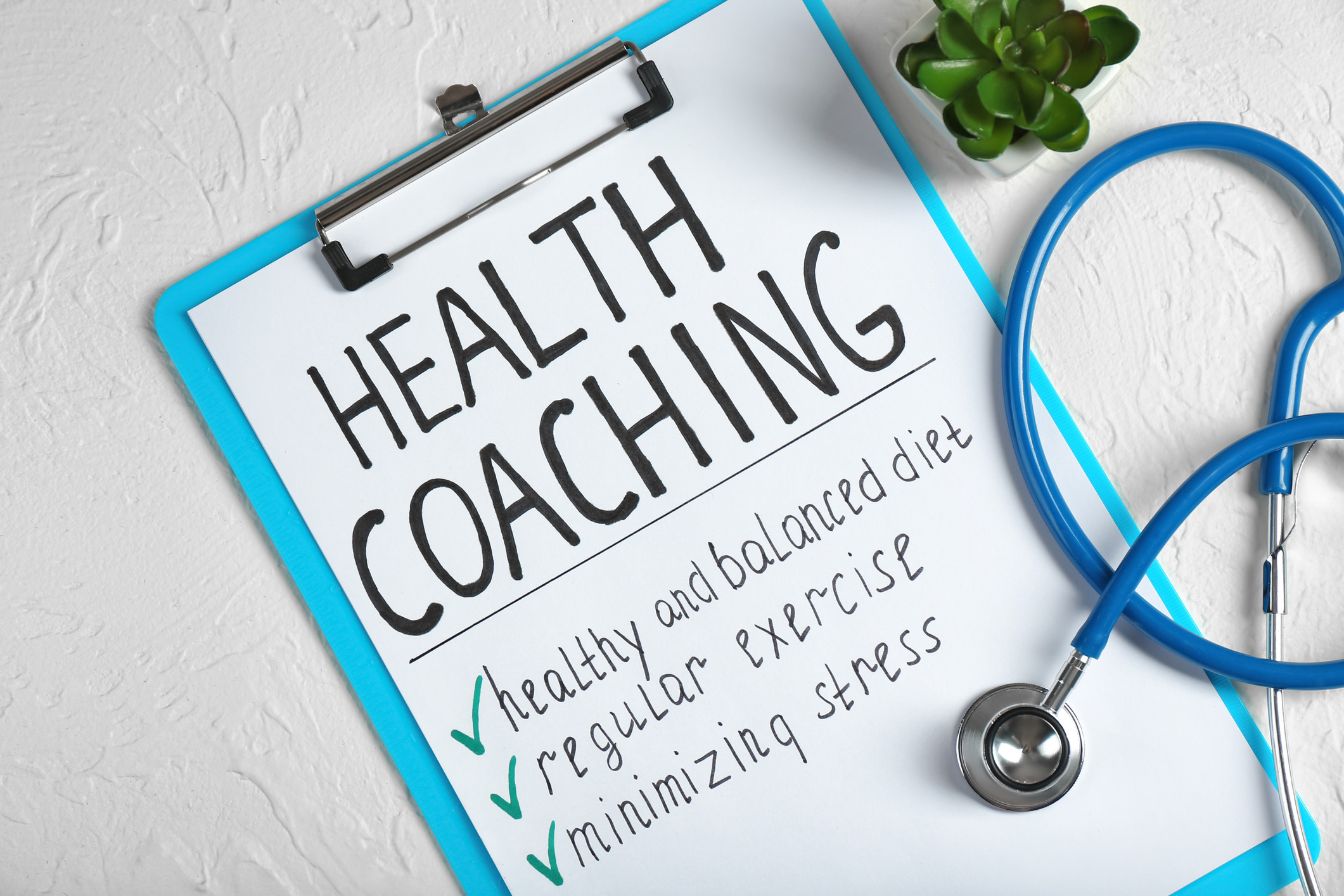
Health coaching is effective. Should you try it?
The growing field of health and wellness coaching uses motivational techniques and positive psychology to offer people individualized support as they work to achieve their health goals.

The dairy dilemma
How much dairy should you consume each day? And are some dairy products or milk alternatives better for heart health than others?
These days, the supermarket dairy aisle can be tricky to navigate. Along with the nonfat, 2%, and full-fat cow's milk lining the refrigerated shelves, you'll often find a dizzying array of plant-based milk alternatives made from different nuts, beans, and grains. Even the yogurt and cheese sections now feature nondairy products, such as coconut yogurt and cashew cheese.
The expanded choices reflect the growing trend toward plant-based diets, which people embrace for a range of reasons. Some people minimize or avoid meat, dairy, and other animal-based foods because of religious reasons or concerns about environmental sustainability or animal welfare. People who are focused mainly on a heart-healthy diet know to steer clear of red and processed meat. But when it comes to dairy products, the story isn't quite as straightforward.

Healthy habits mean more disease-free years
News briefs
You've heard (in these pages, and others) that a healthy lifestyle can stave off chronic disease. But just how many extra disease-free years might you get from that healthy lifestyle? A lot, suggests an observational Harvard-led study published online Jan. 8, 2020, by The BMJ. Researchers evaluated more than 30 years' worth of health data from 111,000 people who were free of cancer, diabetes, and cardiovascular disease at age 50. Compared with those who didn't follow any healthy lifestyle habits, those who followed four or five healthy habits had an additional decade of disease-free living. The elements of a healthy lifestyle will come as no surprise: don't smoke, limit alcohol intake, eat a healthy diet, maintain a healthy weight, and exercise at least 30 minutes per day. The surprise is just how many additional disease-free years a healthy lifestyle can give you.
Image: © Ridofranz/Getty Images

5 steps to long-lasting independent living
Here's how to maintain your current active lifestyle.
Older adults want to enjoy their independent living as long as possible. Yet this can become a challenge as people face more health issues.
"Most life changes that cause older adults to lose some or all of their independence occur either gradually or suddenly," says Dr. Jennifer Rhodes-Kropf, a primary care geriatrician at Harvard-affiliated Hebrew SeniorLife's Center Communities of Brookline, Mass. "You need to stay on top of critical areas that can jeopardize your health and lifestyle."

Practicing healthy habits may help people live disease-free longer
Research we're watching
Sticking to certain healthy lifestyle habits at midlife could add disease-free years to your life, according to a study from the Harvard T.H. Chan School of Public Health. Study authors found that 50-year-old women who maintained five healthy habits — exercising at least 30 minutes a day, following a healthy diet, maintaining a body mass index in the normal range, having no more than one serving of alcohol a day, and not smoking — lived on average 10.7 more years free of diseases, including diabetes, cardiovascular disease, and cancer, compared with initially healthy women who practiced none of those habits at age 50. Their findings, published online January 8 by BMJ, were based on 34 years of data from the Nurses' Health Study and the Health Professionals Follow-up Study, which involved more than 73,000 women and some 38,000 men.
Image: © kitzcorner/Getty Images

Are artificial sweeteners healthy?
On call
Q. More and more nutrition advice seems to be anti-sugar these days. So are artificial sweeteners a good alternative, especially when it comes to weight loss?
A. Many people consume artificial sweeteners, which include acesulfame, aspartame, neotame, saccharin, stevia plant extract, and sucralose, because they want to lose weight, avoid the "empty" (non-nutritious) calories of sugar, or avoid weight gain. Replacing concentrated sugar with products that have few, if any, calories should tilt energy balance in favor of weight loss. Some short-term studies suggest that artificial sweeteners may have that effect.

Grain of the month: Oats
Among all the grains, oats appear to be the most effective when it comes to lowering cholesterol. In fact, back in 1997, oatmeal was granted the first food-specific health claim permission by the FDA, based on research showing that soluble fiber from oats lowers the risk of heart disease.
Soluble fiber, which dissolves in water, forms a gel in the intestines. This gel traps some of the cholesterol in your body, so it's eliminated as waste instead of entering your arteries. Some evidence also suggests that eating oats helps regulate blood sugar levels and helps you feel full.

Understanding acute and chronic inflammation
The right kind of inflammation is essential to your body's healing system. But chronic inflammation can be a problem.
The saying "too much of a good thing" applies to much of life, but especially to inflammation.
"People think inflammation needs to be stomped out at all times, but it plays an essential role in healing and injury repair to keep your body safe and healthy," says Dr. Robert H. Shmerling, medical editor of Understanding Inflammation from Harvard Health Publishing and an associate professor of medicine at Harvard Medical School. "Some inflammation is good. Too much is often bad. The goal is to recognize when inflammation is simply doing its job, and when it can potentially cause problems."
Even a little exercise linked with lower stroke risk in people with afib
Testosterone therapy without evidence of deficiency may boost heart risk
Weight-loss drug may lower risk of heart attacks and infections
What to eat on the DASH diet
Migraine: How it's diagnosed and what that means
Tricep workouts you can do at home
Mindfulness practices to reduce stress and improve focus
Antihistamines may not offer meaningful relief from eczema symptoms
Overweight and taking blood pressure medications: Study finds it's a trend that's working
FDA approves first mRNA-based flu vaccine
Free Healthbeat Signup
Get the latest in health news delivered to your inbox!
Sign Up
