

Light exposure at night may raise risk for heart disease

Whole grains may improve several heart risk factors at once

A lumbar belt may help ease low back pain

Children of centenarians may stay healthier and live longer too, study finds

Signs of pneumonia: Sometimes vague and unexpected

The surprising link between ovarian cancer and the fallopian tubes

Using a vibration plate: What it can — and can't — do for your body

People who walk more or walk faster live longer, study finds

For sleep apnea, a dental device may be as effective as CPAP

Rosacea treatments: What works?
Diabetes Archive
Articles

Too much of a good thing?
Proton-pump inhibitors are among the most-prescribed medications, but is long-term use safe?
Proton-pump inhibitors reduce stomach acid, which helps to treat symptoms of acid reflux.
Image: kamontad123/Thinkstock
Proton-pump inhibitors (PPIs), which are used to treat a variety of gastrointestinal problems, are among the most popular drugs in the United States. In fact, the FDA estimates about one in 14 Americans has used a PPI.

Why controlling your weight lowers your risk of diabetes
Inflammation is an important link between obesity, elevated blood sugar, and type 2 diabetes.
Weight loss can reduce inflammation—a major contributor to diabetes.
Image: tetmc/Thinkstock
We've known for a long time that being overweight is a major risk factor for developing type 2 diabetes. But only in the last 20 years have researchers determined that metabolism and immune responses are linked and that chronic inflammation plays an important role in the development of obesity, diabetes, and related metabolic diseases. "Inflammation is not only associated with obesity, diabetes, and cardiovascular disease, but also precedes and predicts these conditions," says Dr. Allison Goldfine, head of the Clinical Research section at Harvard-affiliated Joslin Diabetes Center.

Atrial fibrillation: The latest treatment trends
About one in six strokes can be traced to atrial fibrillation. Doctors now have newer and better options to lessen this risk.
Close to one in 10 people ages 65 or older have atrial fibrillation (afib), the most common heart rhythm disorder. During a bout of afib, the usually rhythmic contractions of the heart's upper chambers (the atria) are replaced by an ineffectual quiver. While the symptoms, which include a racing heartbeat, dizziness, and shortness of breath, are troublesome for some people, the real threat lies in the increased risk of stroke that accompanies the condition.
When the heart takes on the afib rhythm, blood does not completely move out of the atria. Instead, it tends to pool and clot in a pouchlike extension in the upper left quadrant of the heart, called the left atrial appendage. If these clots break loose, they may travel to the brain and cause a blockage. This is known as an ischemic stroke.
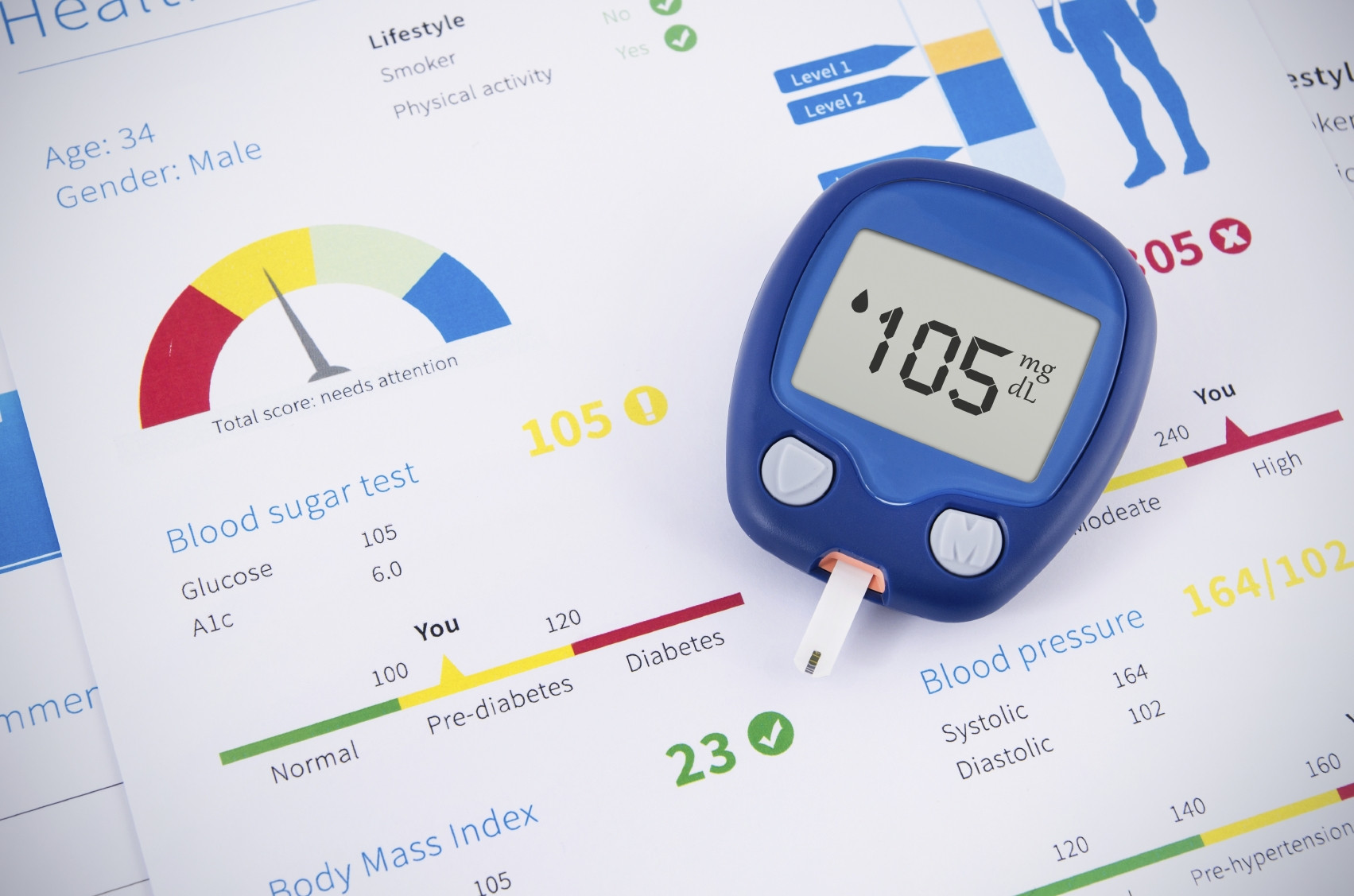
Diabetes drug pioglitazone could get personal: Neither panacea, nor peril
Doctors are often hesitant to prescribe newer drugs. We simply can’t know everything about them until the experiences of early adopters tell us what they’re really like. Such is the case with thiazolidinediones. Some of the more recent diabetes drugs fell out of favor, but a new study suggests that may be helpful for very specific types of patients.

Ask the doctor: Ongoing treatment for atrial fibrillation
Q. Last year, I was diagnosed with atrial fibrillation and started taking an anti-clotting drug to lower my stroke risk. But my heart is now back in a normal rhythm. Why is my cardiologist keeping me on the drug?
A. During a bout of atrial fibrillation, or afib, the heart's upper chambers (atria) quiver erratically instead of making normal, steady contractions. This common heart rhythm disorder takes many different forms. While some people seem to have a single, isolated episode of afib, others have persistent afib, which lasts longer than a week. Common symptoms include a rapid, irregular heartbeat; a fluttering or "thumping" sensation in the chest; and feeling weak, dizzy, breathless, or fatigued.
Negative views of aging linked with increased risk of Alzheimer's
A negative attitude about aging appears to be associated with a higher likelihood of Alzheimer's disease.
A study in the journal Psychology and Aging examined healthy, dementia-free subjects from the Baltimore Longitudinal Study of Aging, the nation's longest-running scientific study of aging.
Be still, my beating heart
Heart palpitations can be alarming, but are they dangerous?
Do you ever feel that your heart is pounding, skipping, or racing so fast that you're certain it will explode from your chest at any moment? That's how many people describe the experience of heart palpitations. In the most literal sense, palpitations are simply an awareness of your heart beating, says Dr. William Stevenson, professor of medicine at Harvard-affiliated Brigham and Women's Hospital. The most familiar trigger for palpitations is heavy exercise, such as when you pedal extra hard to summit the last computerized hill in your indoor cycling class.
Skipping a beat
Although common, palpitations alarm many people, in part because they tend to come on unexpectedly. Isolated palpitations typically occur when a small rush of adrenaline courses through your body, causing your heart to beat more forcefully than usual. These surges can be generated by a strong emotion such as excitement, fear, or anger. They also can come on after consuming a stimulant such as caffeine.

Are we prepared for epidemics?
Mosquitoes can transmit many viruses, such as, Zika, West Nile, dengue, and yellow fever.
Image: Thinkstock
Ask the Doctor
Q. Why is it that we suddenly have epidemics of things like Zika virus that we've never heard about, and that we have no treatments or vaccines for? It feels like we should be better prepared than we apparently are. This worries me more than terrorism.
What is a bicuspid aortic valve?
Ask the Doctor
Q. My primary care doctor referred me to a cardiologist, and I just found out that I have a bicuspid aortic valve. What does that mean for me?
A. The aortic valve sits between the heart and the aorta, the main artery from the heart that distributes oxygen-rich blood throughout the body. A normal aortic valve has three leaflets, or flaps, that open and close tightly to regulate the flow of blood. But between 1% and 2% of people are born with an aortic valve that has only two flaps, known as a bicuspid valve. This defect is twice as common in males as in females and often runs in families.

Cancer survivors may face cardiovascular complications
Even the newer, targeted cancer therapies may harm the heart.
Image: Bigstock
About 14 million people in the United States are living with cancer, a number that reflects the steady rise in cancer survivorship in recent decades. In 1980, only about half of people with cancer lived five years after diagnosis. Today, five-year cancer survival rates are greater than 70%.
Unfortunately, many cancer-suppressing treatments can have undesirable effects on the heart and blood vessels. The increasing awareness of these effects—coupled with the surge of older people being diagnosed with and surviving cancer—has spurred a new specialty known as cardio-oncology. Experts in this burgeoning field focus on promoting heart health in people with cancer, both during and after their treatment.
Light exposure at night may raise risk for heart disease
Whole grains may improve several heart risk factors at once
A lumbar belt may help ease low back pain
Children of centenarians may stay healthier and live longer too, study finds
Signs of pneumonia: Sometimes vague and unexpected
The surprising link between ovarian cancer and the fallopian tubes
Using a vibration plate: What it can — and can't — do for your body
People who walk more or walk faster live longer, study finds
For sleep apnea, a dental device may be as effective as CPAP
Rosacea treatments: What works?
Free Healthbeat Signup
Get the latest in health news delivered to your inbox!
Sign Up
