

Whole grains may improve several heart risk factors at once

Light exposure at night may raise risk for heart disease

Children of centenarians may stay healthier and live longer too, study finds

A lumbar belt may help ease low back pain

Signs of pneumonia: Sometimes vague and unexpected

Using a vibration plate: What it can — and can't — do for your body

The surprising link between ovarian cancer and the fallopian tubes

People who walk more or walk faster live longer, study finds

Rosacea treatments: What works?
For sleep apnea, a dental device may be as effective as CPAP
Diabetes Archive
Articles

Deep-vein blood clots: Know the signs
Image: Thinkstock
Clots in the lungs are twice as deadly as heart attacks.
If you scrape your leg, blood clots come to the rescue to heal the wound. But if a blood clot forms deep inside a leg vein, it's a different story. Known as a venous thrombosis—a term meaning "blood clot in a vein"—this type of clot can cause pain, swelling, and redness in the affected limb. When one forms in a leg or arm, it's called deep-vein thrombosis (DVT). But the real threat happens if the clot breaks off and travels to the lungs, causing a pulmonary embolism.

The changing landscape of heart disease and diabetes care
Image: Thinkstock
New guidelines and a novel diabetes drug point to new treatment approaches.
When it comes to the cardiovascular dangers from diabetes, the statistics are pretty disheartening: about two-thirds of people with type 2 diabetes ultimately die from heart disease or a stroke. But there's progress afoot. Recently updated guidelines and a novel diabetes drug with proven heart benefits offer promise for making a dent in that dire statistic. And in a nod to the importance of early detection, the U.S. Preventive Services Task Force recently recommended that adults ages 40 to 70 who are overweight be screened for diabetes (see "Diabetes screening tests").

A different kind of heart attack
Image: Thinkstock
Squeezing chest pain isn't always from a blocked artery.
Classic heart attack symptoms—severe pressure, heaviness, or pain in the chest—most often arise from a blockage in a coronary artery that prevents blood from reaching the heart muscle. But a lesser-known condition, called takotsubo cardiomyopathy, can produce the same sudden heart symptoms even when the coronary arteries are clear.
Too much or too little sleep linked to stiffer arteries
Image: Thinkstock
Research we're watching
People who sleep too much or too little may be more likely to have early signs of heart disease, according to a study of more than 47,000 apparently healthy young and middle-aged adults.
The study volunteers filled out sleep questionnaires and underwent tests to assess the arteries in their hearts and legs. Researchers found that people who slept for nine or more hours per night had more calcium buildup in their heart artery walls and stiffer leg arteries than those who slept seven hours per night. These early signs of heart disease were also more prevalent in people who logged five or fewer hours of sleep per night and in people who reported poor sleep quality.

Not satisfied with your sex life?
Image: Thinkstock
Erectile dysfunction is common, but it's not always the problem. A doctor can help you get to the bottom of it.
Erectile dysfunction (ED) is difficulty either getting or maintaining an erection firm and lasting enough for a satisfying sexual encounter. The most common cause is inadequate blood supply to the spongy tissues in the penis that provide rigidity. That's a straightforward "plumbing problem" that can usually be treated with medication. But there are other possible causes, too.

Will Prozac help my premenstrual depression?
Ask the doctor
Q. I've had some severe bouts of depression before my periods. I have done my own research and I am willing to try an antidepressant. What dosage of Sarafem or Prozac is usually given to treat this?
A. Selective serotonin reuptake inhibitors (SSRIs) are an excellent option for treating premenstrual syndrome (PMS) and premenstrual dysphoric disorder (PMDD). In fact, most physicians now consider them first-line therapy. Many different SSRIs have been studied, including the one you asked about—fluoxetine (Prozac or Sarafem)—and they all appear to be equally effective.
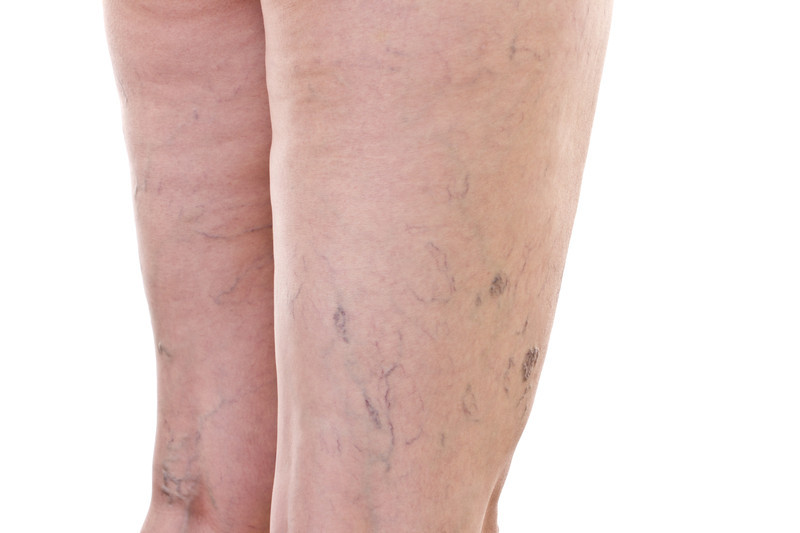
Vanquishing varicose veins
Image: Bigstock
The raised, tortuous vessels may be controlled with support hose, and they can be eradicated in a quick, outpatient procedure.
Varicose veins are one cardiovascular condition that usually isn't considered serious or life-threatening. Around half of all women have them, and most regard them as a cosmetic annoyance. However, they can be responsible for swollen legs, skin changes, and the development of leg ulcers.

Study suggests tai chi improves life for people with chronic health problems
Image: Thinkstock
Research we're watching
An analysis published online Sept. 17, 2015, by the British Journal of Sports Medicine suggests that doing tai chi enhances the quality of life for people with common chronic conditions.
Researchers analyzed data from 33 studies involving nearly 1,600 adults. Most were in their 60s or 70s, and all had one or more chronic conditions: osteoarthritis, breast cancer, heart failure, or chronic obstructive pulmonary disease (COPD). All 290 participants in the breast cancer studies were women. There were 452 women (85% of participants) in the arthritis studies, 76 (16%) in the heart failure studies, and 92 (19%) in the COPD studies.
Ask the doctor: Do I need gallbladder surgery?
Q. I've been having abdominal pain that may be due to gallstones. Is surgery the best solution, or are there other things I can try first?
A. The first thing to determine is whether your abdominal pain is in fact due to gallstones. They typically cause pain on the upper right side or in the center of the abdomen just below the breastbone that radiates to the back or right shoulder. The pain is often brought on by eating—especially fatty foods—or may occur at night. Sometimes gallstone pain is accompanied by sweating, bloating, nausea, or vomiting.
Is your heartburn pill working for you?
| Image: iStock |
For optimal results, you need to take your medication regularly and time it correctly to your meals.
Have you tried to cool the burning discomfort of heartburn with medication and failed to get full relief? If so, a few simple adjustments to optimize your treatment may be all you need.
Whole grains may improve several heart risk factors at once
Light exposure at night may raise risk for heart disease
Children of centenarians may stay healthier and live longer too, study finds
A lumbar belt may help ease low back pain
Signs of pneumonia: Sometimes vague and unexpected
Using a vibration plate: What it can — and can't — do for your body
The surprising link between ovarian cancer and the fallopian tubes
People who walk more or walk faster live longer, study finds
Rosacea treatments: What works?
For sleep apnea, a dental device may be as effective as CPAP
Free Healthbeat Signup
Get the latest in health news delivered to your inbox!
Sign Up
