

Whole grains may improve several heart risk factors at once

Light exposure at night may raise risk for heart disease

Children of centenarians may stay healthier and live longer too, study finds

A lumbar belt may help ease low back pain

Signs of pneumonia: Sometimes vague and unexpected

Using a vibration plate: What it can — and can't — do for your body

The surprising link between ovarian cancer and the fallopian tubes

People who walk more or walk faster live longer, study finds

Rosacea treatments: What works?

For sleep apnea, a dental device may be as effective as CPAP
Diabetes and metabolic health Archive
Articles

The new diabetes drugs: Your best shot for weight loss?
Several drugs originally developed to treat type 2 diabetes can help people shed as much as 20% of their body weight—far more than other anti-obesity drugs. Known as incretin mimetics, they also improve blood pressure and cholesterol levels. Up to half of all new-onset diabetes cases in this country are linked to obesity, a disease that now affects more than 40% of Americans. Both conditions are closely linked to cardiovascular disease.

What happens when a drug goes viral?
| After celebrities touted its weight loss benefits, high demand put the diabetes medication Ozempic in short supply. Learn more about what this means for people with diabetes. |

A mindful way to help manage type 2 diabetes?
Lifestyle changes like regular exercise, a healthy diet, and sufficient sleep are cornerstones of self-care for people with type 2 diabetes. But can mind-body practices help people manage or even treat type 2 diabetes? An analysis of multiple studies suggests they might.

Time for a diabetes tune-up
A major theme of the 2023 American Diabetes Association Standards of Medical Care guide is healthy weight loss. The new guidelines also encourage collaboration on meaningful lifestyle changes that help with sleep and health metric targets.

Low-carb diet helps cut blood sugar levels in people with prediabetes
A recent study suggests that following a low-carb diet may quickly reduce A1C levels in people with prediabetes. Such a rigorous approach to eating may not be realistic, but cutting even some carbs may lead to weight loss and lower blood sugar.

Got a goiter?
An enlarged thyroid, called a goiter, or nodules on the gland are quite common, especially in women. Doctors pat down the neck during physical exams to help detect these conditions. Treatment depends on whether a lesion is cancerous or causing severe symptoms. Some goiters or nodules are simply monitored over time.
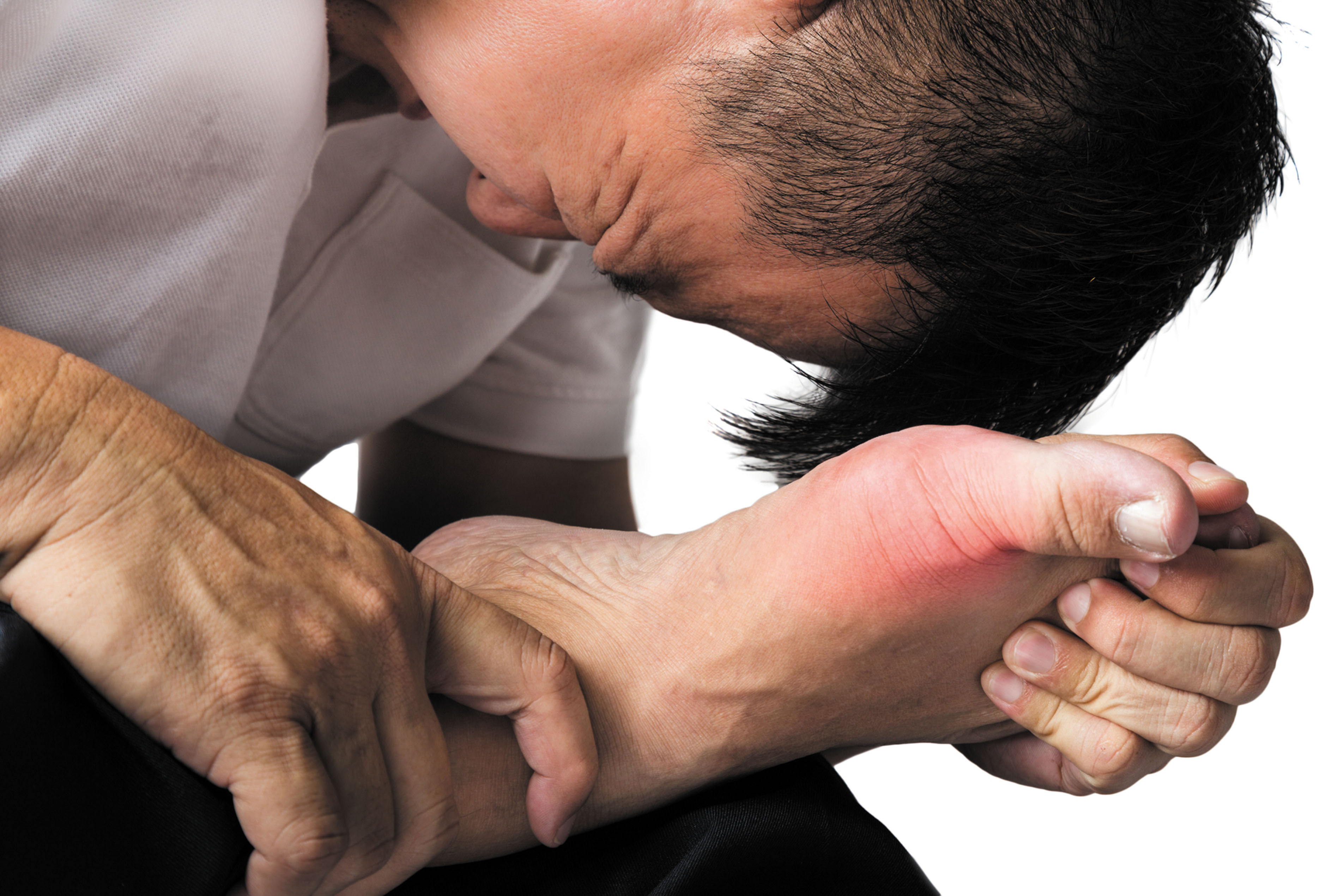
Gout linked with risk for heart attack and stroke
Gout strikes when too much uric acid builds up in the body and triggers severe pain, swelling, and redness in one or more joints, often in the big toe. New research suggests that an episode may increase the risk for a heart attack or stroke over the following two months.

Poor physical function may predict cardiovascular disease
A new study suggests that older adults who maintain an high level functional fitness have a lower their risk of heart attack, heart failure, and stroke compared with those who are not as fit.

Engage your heart and brain, even when you're sitting
Sitting too much is bad for health. But there are ways to make time spent seated a little healthier. For example, people can keep their brains active by reading, writing, doing a hobby (such as knitting), or playing an instrument. And people can exercise while in a seated position. It's possible to do an aerobic workout that gets the heart and lungs pumping, such as a seated dance routine or calisthenics, as well as muscle-strengthening activities or stretching exercises.

Eating disorders in midlife
By age 40, one in five women has dealt with an eating disorder, twice the proportion of women known to be affected by age 21. Risks for anorexia, bulimia, and binge eating can rise at midlife due to job stressors, an empty nest, and dating again after divorce or widowhood. Health effects can include bone loss, heart problems, lung conditions, gastrointestinal issues, diabetes, and skin breakdown. Signs of an eating disorder include dramatic weight fluctuations, excessive exercising, and preoccupation with weight, calories, and body size and shape.
Whole grains may improve several heart risk factors at once
Light exposure at night may raise risk for heart disease
Children of centenarians may stay healthier and live longer too, study finds
A lumbar belt may help ease low back pain
Signs of pneumonia: Sometimes vague and unexpected
Using a vibration plate: What it can — and can't — do for your body
The surprising link between ovarian cancer and the fallopian tubes
People who walk more or walk faster live longer, study finds
Rosacea treatments: What works?
For sleep apnea, a dental device may be as effective as CPAP
Free Healthbeat Signup
Get the latest in health news delivered to your inbox!
Sign Up
