

Whole grains may improve several heart risk factors at once

Light exposure at night may raise risk for heart disease

Children of centenarians may stay healthier and live longer too, study finds

A lumbar belt may help ease low back pain

Signs of pneumonia: Sometimes vague and unexpected

Using a vibration plate: What it can — and can't — do for your body

The surprising link between ovarian cancer and the fallopian tubes

People who walk more or walk faster live longer, study finds

Rosacea treatments: What works?

For sleep apnea, a dental device may be as effective as CPAP
Diabetes and metabolic health Archive
Articles

Heart disease risk: Partnering on lifestyle change can help
For people who have risk factors for heart disease, it's important to make lifestyle changes like losing weight, getting more exercise, and eating a healthier diet. Longstanding habits are hard to change, but managing the challenge of healthy eating is easier if people have a partner who is supportive and involved in making food choices.


A closer look at alcohol's effect on heart health
Excessive drinking can contribute to high blood pressure, obesity, and stroke, while moderate drinking (no more than one drink per day for women and two drinks or fewer per day for men) is linked to a lower risk of heart problems. One possible mechanism might be stress reduction. Brain scans of people who reported light to moderate drinking show less activity in the part of the brain that responds to stress, compared with the scans of people who abstained or drank very little. Stress not only raises blood pressure and heart rate but also triggers inflammation that causes plaque buildup, which contributes to heart attacks.

Testosterone therapy may be safe for men at risk for heart attack and stroke
A 2023 study suggests taking testosterone replacement therapy does not raise the risk for heart attacks or stroke among men with cardiovascular disease or a high risk for it, but it could increase the risk of atrial fibrillation, acute kidney injury, and pulmonary embolism.


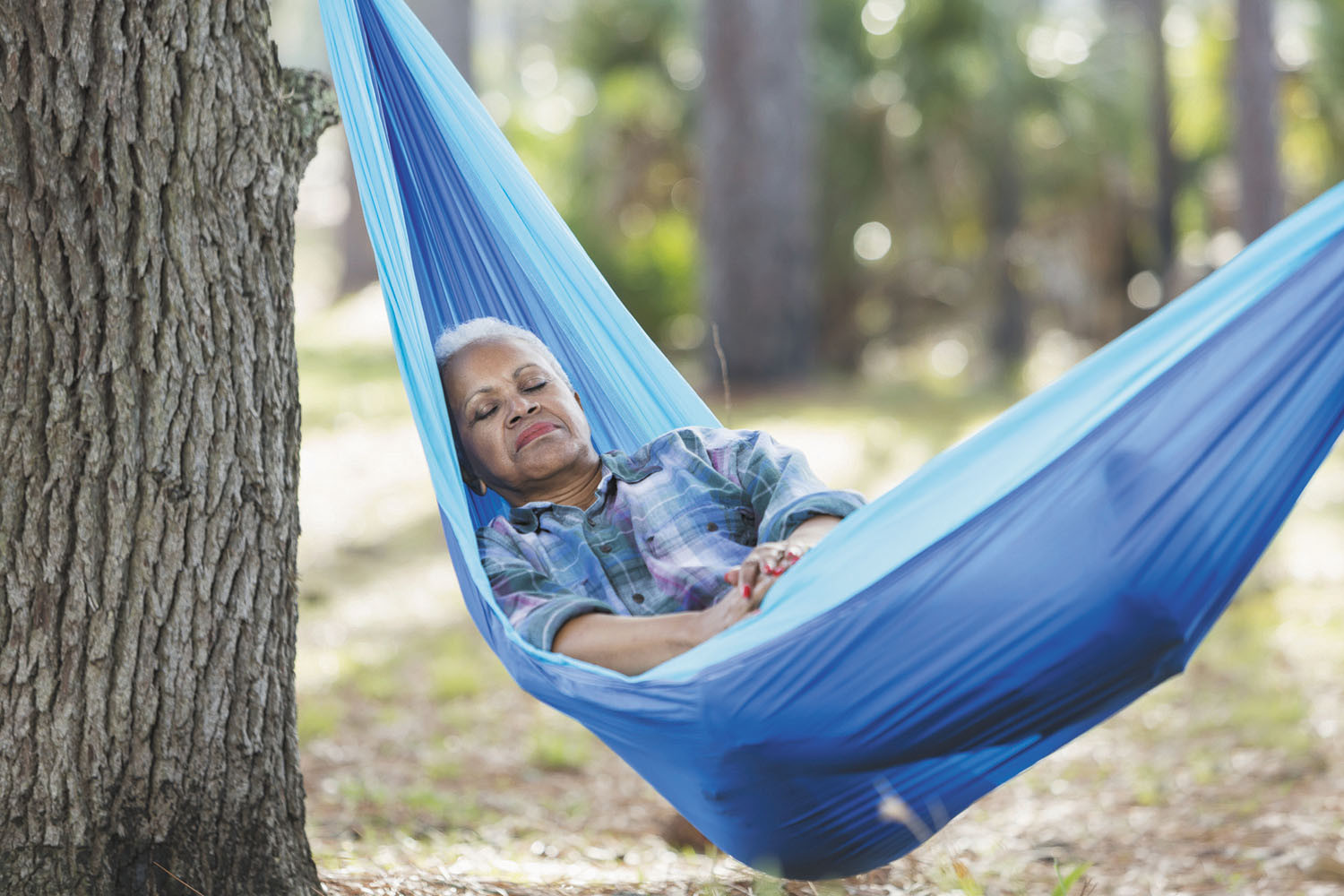
Is your daily nap doing more harm than good?
Naps can be healthy for adults who need to catch up on sleep or work odd hours, but they can also make it more difficult to sleep at night and be a sign of a sleep disorder. Naps should be short and limited to the early afternoon to prevent them from interfering with nighttime sleep. People who have the urge to nap daily should consider whether they need to improve their nighttime sleep habits.
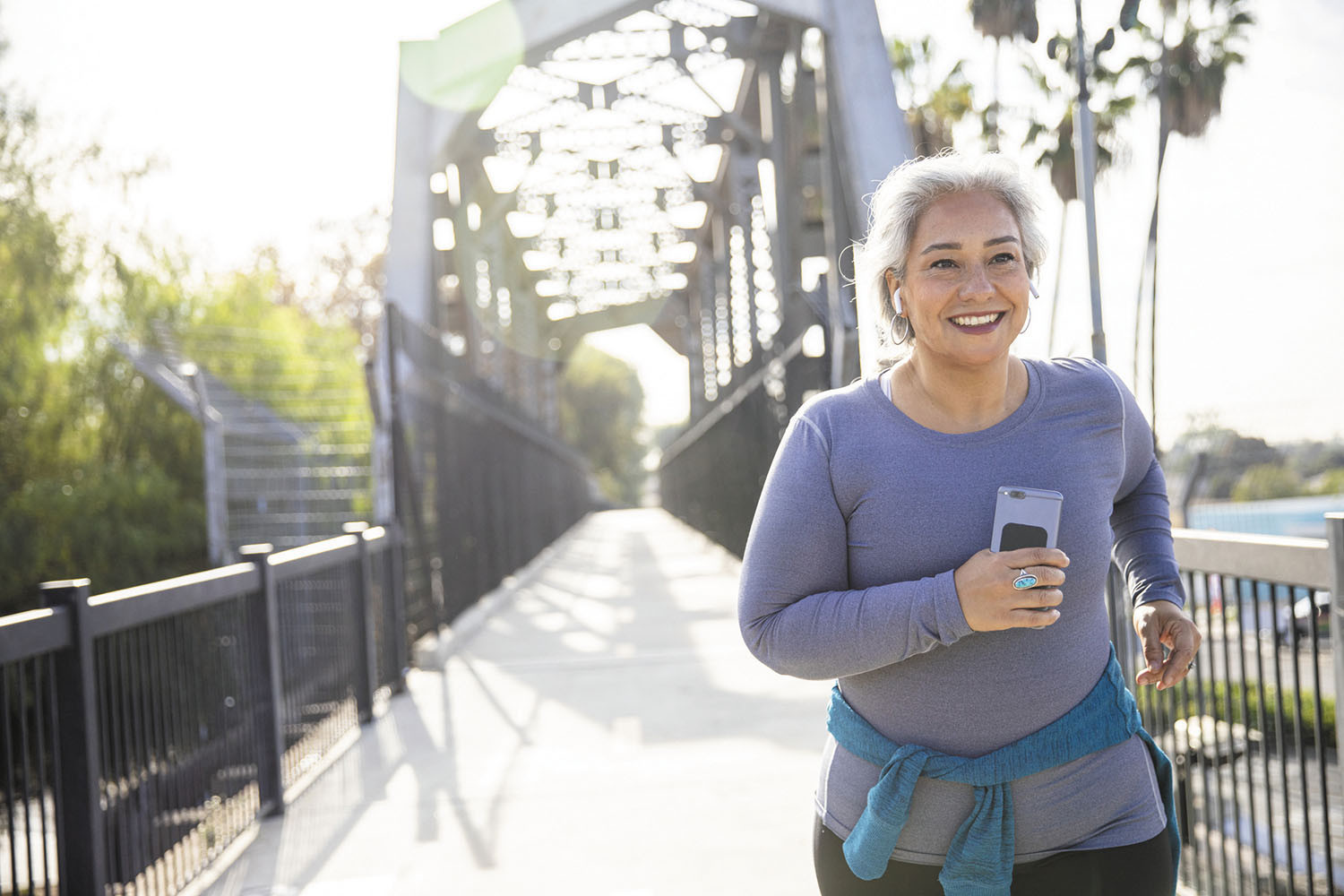
Exercise may counteract inherited risk for diabetes
Getting regular exercise can help fend off diabetes, even in people with a genetic propensity for the disease, according to a 2023 study.

Men, women, and red meat risk: Maybe both sexes should put down the burger
A 2023 review of 70 studies found that both unprocessed and processed red meat are linked to higher risks of cardiovascular disease and diabetes, with no apparent difference in risk between men and women.

After the baby grows up, how will your heart fare?
Pregnancy and reproductive complications, including high blood pressure, diabetes, pre-eclampsia, infertility, and stillbirth, are linked with higher cardiovascular risks in affected women many years later. Such complications affect 5% to 10% of pregnancies and are rising as obesity rates increase and more women postpone pregnancy. Ongoing preventive care and screenings are crucial for women who experienced pregnancy complications to monitor blood pressure, cholesterol, and blood sugar levels and treat any irregularities aggressively.
Whole grains may improve several heart risk factors at once
Light exposure at night may raise risk for heart disease
Children of centenarians may stay healthier and live longer too, study finds
A lumbar belt may help ease low back pain
Signs of pneumonia: Sometimes vague and unexpected
Using a vibration plate: What it can — and can't — do for your body
The surprising link between ovarian cancer and the fallopian tubes
People who walk more or walk faster live longer, study finds
Rosacea treatments: What works?
For sleep apnea, a dental device may be as effective as CPAP
Free Healthbeat Signup
Get the latest in health news delivered to your inbox!
Sign Up
