

People who walk more or walk faster live longer, study finds

For sleep apnea, a dental device may be as effective as CPAP

Rosacea treatments: What works?

Carb cycling: What is it, and does it work?

Understanding orthorexia: Have your healthy eating goals gone too far?

Salmonella, E. coli, Cyclospora, and other germs that cause food poisoning: What you need to know

Melatonin or magnesium: Can either supplement help you sleep?

Naturally gluten-free foods

Shingrix shingles vaccine linked with lower heart disease risks

Harvard study: Healthier fats linked to longer life after prostate cancer diagnosis
Dental Health Archive
Articles
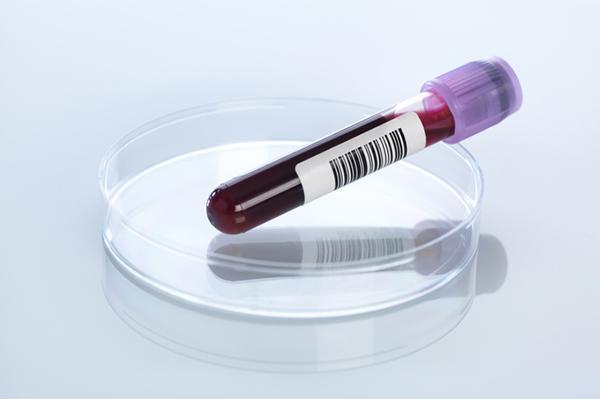
What might be causing my anemia?
An anemia diagnosis can cause concern. Doctors can trace possible causes through clues that provide information about iron levels, hidden blood loss, nutrition, and bone marrow.

How can I prevent spring allergies?
Last year's spring allergies were miserable. Learn when to begin antihistamines and nasal sprays so symptoms are blunted before pollen peaks.

Can frequent blood donation cause iron deficiency anemia?
Regular blood donations can sometimes lead to low iron levels and anemia. Learn why it happens, who's at risk, and when to pause giving blood.

What could cause my tongue to turn dark brown and fuzzy?
A brown, furry-looking tongue and odd taste sensations can reflect changes in saliva, bacteria, and hygiene. This condition often improves with simple care.

Why do I have a white patch on my tongue?
A white area on the tongue can stem from dryness, irritation, infection, or an immune condition. If the patch is persistent, your doctor should take a closer look.

Why do I have bad breath in the morning?
From dry mouth and tongue bacteria to diet, reflux, and gum disease, many culprits can sour your breath. Simple daily habits may help restore freshness.

What could be causing an extremely salty taste in my mouth?
A persistent salty taste in your mouth may stem from saliva changes, medications, dehydration, sinus issues, or reflux. It warrants a closer look.
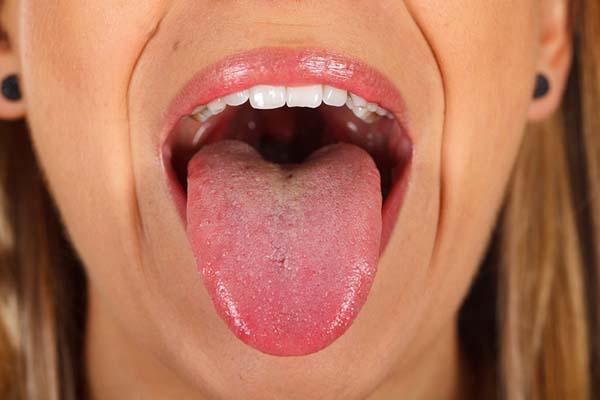
What causes a sensitive tongue?
A red, tender tongue may stem from irritants, an infection, or vitamin shortages. Simple changes and a doctor’s exam can help pinpoint the cause.

CPR on TV may be misleading
Television portrayals of hands-only cardiopulmonary resuscitation (CPR) aren't always accurate, according to a 2026 analysis. Inaccurate depictions involved the age of CPR recipients, how CPR was done and the location of where it was performed.

Emojis in electronic health records could be confusing
Although rare, emojis are now beginning to appear in electronic medical records sent to patients. People who are unsure about the meaning of any such messages should ask for clarification.
People who walk more or walk faster live longer, study finds
For sleep apnea, a dental device may be as effective as CPAP
Rosacea treatments: What works?
Carb cycling: What is it, and does it work?
Understanding orthorexia: Have your healthy eating goals gone too far?
Salmonella, E. coli, Cyclospora, and other germs that cause food poisoning: What you need to know
Melatonin or magnesium: Can either supplement help you sleep?
Naturally gluten-free foods
Shingrix shingles vaccine linked with lower heart disease risks
Harvard study: Healthier fats linked to longer life after prostate cancer diagnosis
Free Healthbeat Signup
Get the latest in health news delivered to your inbox!
Sign Up
