

Healing after food poisoning

What is tempeh? Benefits, nutrition, and how to use it

Light exposure at night may raise risk for heart disease

Whole grains may improve several heart risk factors at once

A lumbar belt may help ease low back pain

Children of centenarians may stay healthier and live longer too, study finds

Signs of pneumonia: Sometimes vague and unexpected

The surprising link between ovarian cancer and the fallopian tubes

Using a vibration plate: What it can — and can't — do for your body

People who walk more or walk faster live longer, study finds
Dental Health Archive
Articles
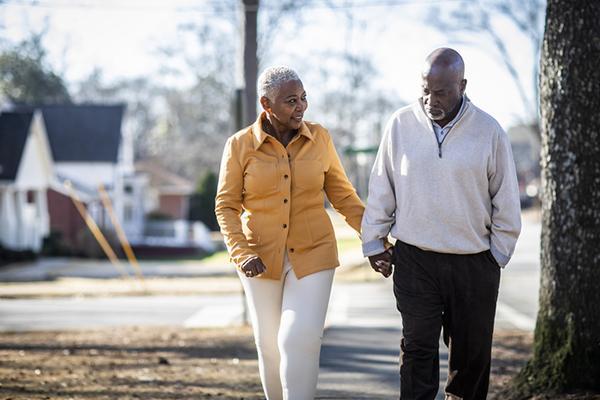
Increasing daily steps may boost surgical recovery
After most types of surgery, early and increased walking appears to support a smoother recovery. A 2026 study found that increased daily steps above pre-surgery levels were linked with shorter hospital stays, lower complication rates, and fewer readmissions.

How to protect your health in a power outage
Staying at home during a power outage can be risky for your health. To be safe, take steps to maintain power for essential medical equipment, store medications properly, and prepare for other hazards.
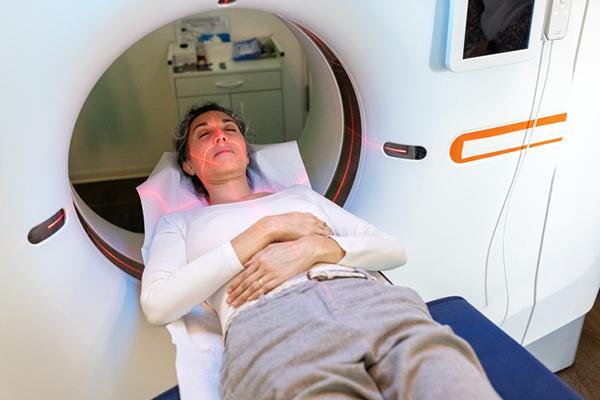
Full-body MRI screening: Reassurance or overdiagnosis?
Full-body MRI scans are marketed as a way to detect hidden cancers and other health conditions before symptoms appear. But these elective scans aren’t as precise as medically recommended MRIs and may reveal harmless abnormalities that lead to unnecessary follow-up tests.
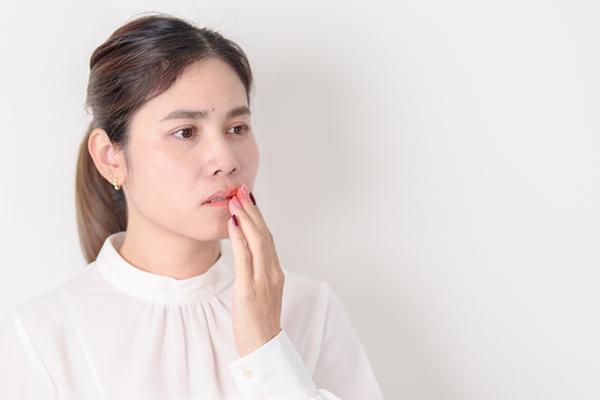
Could frequent, painful canker sores be a sign of Behçet's disease?
Lingering ulcers can signal more than simple canker sores. Learn about possible triggers, related conditions, and who should evaluate you.
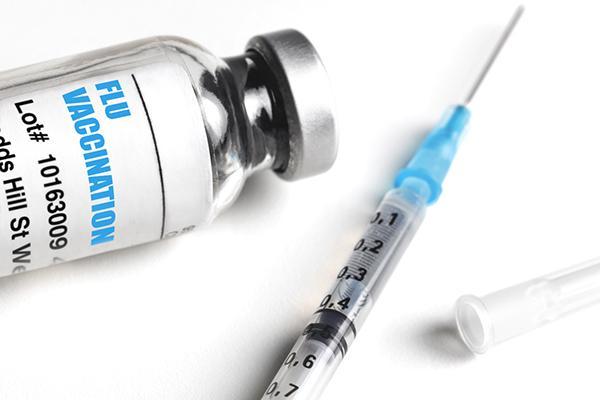
High-dose flu shot may lower risk of Alzheimer's
A 2026 study suggested that getting a high-dose flu shot may reduce older adults’ risk of developing Alzheimer’s disease compared with a standard-dose flu shot.
Navigating a doctor shortage
A 2026 study indicates a precipitous decline in the number of primary care providers in the United States accepting new patients. Without a primary care doctor, people are more vulnerable to serious medical problems and may have trouble getting regular tests and prescriptions.

Do multivitamins make you healthier?
Taking a multivitamin does not reduce the chance of heart disease or mental decline, but it does reduce the risk of being diagnosed with cancer or developing cataracts.

Video: Incorporating Meditation Into Your Life
Meditation can be a natural part of everyday life, similar to maintaining a healthy diet or exercise routine. In this video, learn how meditation can be simple, flexible, and can be practiced almost anywhere.

What is considered a healthy body fat percentage as you age?
While there is no agreed-upon normal range for body fat, most men ages 60 to 79 should aim for 13% to 24% body fat. Measuring waist and hip size can provide an estimate of how much dangerous belly fat a person carries.
Navigating your online patient portal: Best practices
Online patient portals enable people to see their medical records, communicate with their doctors, and more. This improved access has advantages along some with potential pitfalls, which can be avoided.
Healing after food poisoning
What is tempeh? Benefits, nutrition, and how to use it
Light exposure at night may raise risk for heart disease
Whole grains may improve several heart risk factors at once
A lumbar belt may help ease low back pain
Children of centenarians may stay healthier and live longer too, study finds
Signs of pneumonia: Sometimes vague and unexpected
The surprising link between ovarian cancer and the fallopian tubes
Using a vibration plate: What it can — and can't — do for your body
People who walk more or walk faster live longer, study finds
Free Healthbeat Signup
Get the latest in health news delivered to your inbox!
Sign Up
