

CoQ10: Should you take this popular supplement if you're on a statin?

Oat vs. dairy milk: Nutrition, benefits, and downsides

Microplastics: A hidden health threat?

Healing after food poisoning

What is tempeh? Benefits, nutrition, and how to use it

Light exposure at night may raise risk for heart disease

Whole grains may improve several heart risk factors at once

A lumbar belt may help ease low back pain

Children of centenarians may stay healthier and live longer too, study finds

Signs of pneumonia: Sometimes vague and unexpected
Dental Health Archive
Articles

What does a positive TB skin test mean?
A positive TB skin test can raise questions about infection, exposure, and what happens next. Find out which follow-up steps may be needed.

Hot weather hikes: Staying safe when temperatures spike
Summer is a great time to take a hike, but it’s essential to make sure you’re prepared for the weather and conditions where you are. Hiking safely and planning ahead will make your trek more enjoyable.

How menopause can affect oral health, including tooth decay, dry mouth, and shifting teeth
Many women aren’t aware menopause can fuel oral health symptoms such as tooth decay, gum disease, and bone loss in the jaw. Reduced estrogen diminishes saliva production, which protects teeth and gums by neutralizing acids and bacteria. A variety of tools and techniques can help menopausal women preserve oral health.
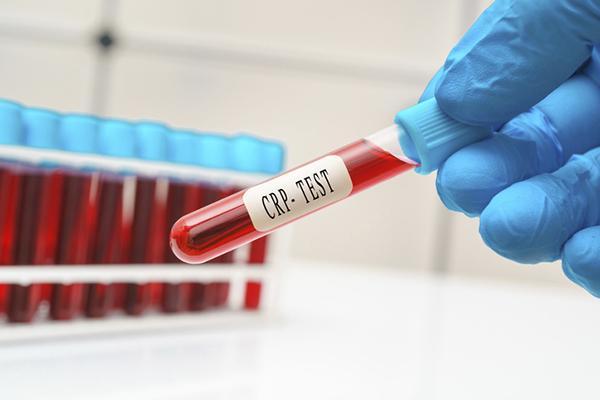
C-reactive protein: Should healthy people be tested for it?
Scientists are learning that chronic inflammation can raise people’s risk for cardiovascular disease much like established risk factors. The American College of Cardiology advocates measuring an inflammation marker called C-reactive protein in healthy people to reveal hidden heart disease risk.

The 5 pillars of longevity: Movement, nutrition, sleep, stress reduction, and social connection
The term “longevity” encompasses both living longer and staying in good health. Research consistently indicates that five lifestyle pillars promote longevity: movement, nutrition, sleep, stress reduction, and socialization. But it’s impossible to gauge which pillar counts most toward longevity.

What is a longevity specialist, and should I see one?
Longevity (or healthspan) specialists focus on preventing age-related disease and extending people’s healthy years, rather than waiting to treat illness once it appears. Ideally, a longevity specialist focuses on proven health fundamentals before supplements and experimental therapies.
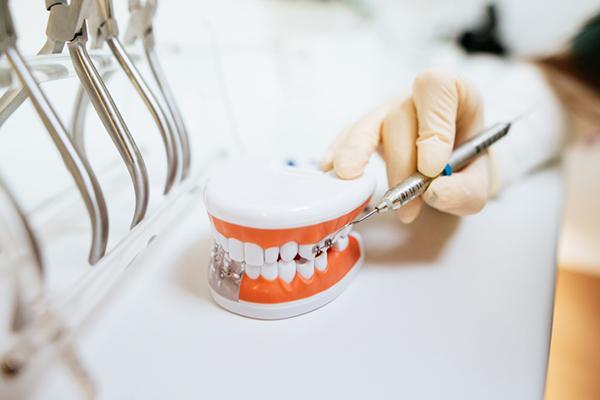
What medications should you stop before a dental procedure?
People undergoing a dental procedure sometimes wonder if they should stop taking any medications beforehand. They should provide a complete list of prescription medications, over-the-counter remedies, and supplements to their dentist and discuss potential risks. People should never stop taking a medication without consulting their doctor.

Think fast: How does your face protect you?
Not only is our face our calling card to the world, its features evolved to mount immune system defenses, help ward off illness, and protect us in many ways. Our eyes, nose, mouth, and facial structure itself all contribute to our continued well-being.

Extreme heat: Staying safe if you have health issues
Climate change has made life-threatening heat waves increasingly common across the globe. Anyone with health issues will have a more difficult time in extreme heat, including older people and people with diabetes, heart disease, asthma, and other conditions. Be prepared by knowing how to identify and treat heat-related illness, and how to plan for hot days.

Can MRSA return after treatment?
A MRSA infection may be treatable, yet the bacteria can sometimes remain on the body and return. Find out what recovery and prevention involve.
CoQ10: Should you take this popular supplement if you're on a statin?
Oat vs. dairy milk: Nutrition, benefits, and downsides
Microplastics: A hidden health threat?
Healing after food poisoning
What is tempeh? Benefits, nutrition, and how to use it
Light exposure at night may raise risk for heart disease
Whole grains may improve several heart risk factors at once
A lumbar belt may help ease low back pain
Children of centenarians may stay healthier and live longer too, study finds
Signs of pneumonia: Sometimes vague and unexpected
Free Healthbeat Signup
Get the latest in health news delivered to your inbox!
Sign Up
