

CoQ10: Should you take this popular supplement if you're on a statin?

Microplastics: A hidden health threat?

Oat vs. dairy milk: Nutrition, benefits, and downsides

What is tempeh? Benefits, nutrition, and how to use it

Healing after food poisoning

Children of centenarians may stay healthier and live longer too, study finds

Light exposure at night may raise risk for heart disease

Whole grains may improve several heart risk factors at once

A lumbar belt may help ease low back pain

Signs of pneumonia: Sometimes vague and unexpected
Contraception and birth control Archive
Articles

Pressure shift
People often need several medications to adequately control high blood pressure. Doctors factor in more than age, sex, and race when deciding which of the 200-plus available blood pressure drugs might work for a person. Doctors also consider diet, activity levels, reproductive history, and other chronic conditions and medications. Consistent blood pressure control can be challenging, and doctors can collaborate with patients to minimize side effects common to blood pressure medications, such as dizziness and lightheadedness.
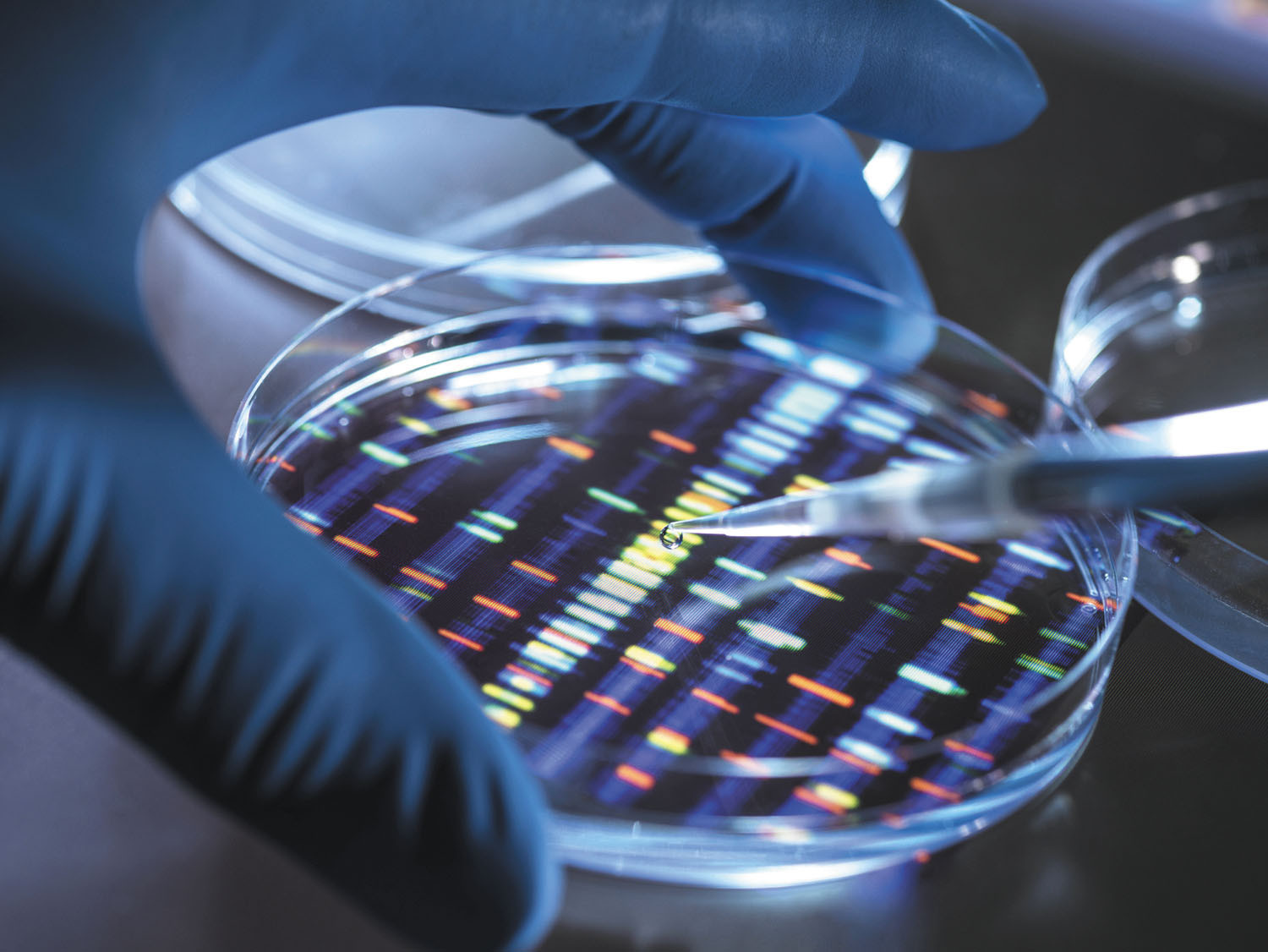
Should I get genetic testing for breast cancer?
Women should consider genetic testing for breast cancer if they have a personal or family history of breast or ovarian cancer, especially diagnosed at age 50 or younger; family history of BRCA1 or BRCA2 gene mutations; or Ashkenazi Jewish heritage.

Why has my natural scent changed during perimenopause?
Many women report stronger body odor during perimenopause. It can result from a changed sense of smell; profuse sweating from hot flashes or night sweats; or greater prominence of testosterone, which attracts more bacteria to sweat.

Is pregnancy safe for everyone?
Simply being pregnant poses significant short-term and long-term risks to health, particularly in the US. Since the Supreme Court overturned a national constitutional right to abortion last year, choices around pregnancy have gotten even more complicated — and more dangerous for some.

What are the chances that prostate cancer will return after surgery?
In some men who have prostate cancer surgery the cancer never returns, while in others it does. A new type of imaging technology indicates the presence of prostate tumors, and researchers wanted to know if this could be used to predict cancer recurrence after treatment.

Why are my breasts sore?
Breast pain after menopause may be due to noncyclic mastalgia, which is not influenced by hormone fluctuations. Women should contact a doctor if pain persists or they develop breast swelling or redness, nipple discharge, or fever.

Sex and prostate health
Sexual side effects can be a primary concern when treating an enlarged prostate with medication or surgery. Depending on the treatment, side effects might include erectile dysfunction, low libido, reduced volume of ejaculation, or retrograde ejaculation, (in which semen travels backward into the bladder rather than out through the penis). Understanding the risks can help men with their treatment decision and to be better prepared if any sexual-related problems arise.

Expectant mothers can rest easier about taking antidepressants
A 2022 study found that antidepressant use during pregnancy is not associated with problems in children's future brain health or behavior patterns. The medications were not linked to conditions such as autism, ADHD, or problems in speech, language, learning, and coordination.

A lethal cancer's long reach
While ovarian cancer is not always inherited, family history is the top risk factor for the disease, which is diagnosed in 20,000 American women and kills 13,000 annually. Symptoms, such as bloating, pelvic pain, bowel or bladder habit changes, and unusual vaginal discharge or bleeding, are often vague and subtle until the disease is advanced, making it hard to detect and cure. No standard screening test is available for ovarian cancer. Women with symptoms can ask for a pelvic ultrasound. Women with a family history should seek genetic counseling and testing.

Can plant-based diets lower your risk of prostate cancer?
This year, results from a review of literature on plant-based diets and prostate cancer risk concluded that apart from having advantages for cardiovascular health, quality of life, and environmental benefits, plant-based diets have the potential to improve prostate cancer outcomes.
CoQ10: Should you take this popular supplement if you're on a statin?
Microplastics: A hidden health threat?
Oat vs. dairy milk: Nutrition, benefits, and downsides
What is tempeh? Benefits, nutrition, and how to use it
Healing after food poisoning
Children of centenarians may stay healthier and live longer too, study finds
Light exposure at night may raise risk for heart disease
Whole grains may improve several heart risk factors at once
A lumbar belt may help ease low back pain
Signs of pneumonia: Sometimes vague and unexpected
Free Healthbeat Signup
Get the latest in health news delivered to your inbox!
Sign Up
