

CoQ10: Should you take this popular supplement if you're on a statin?

Microplastics: A hidden health threat?

Oat vs. dairy milk: Nutrition, benefits, and downsides

What is tempeh? Benefits, nutrition, and how to use it

Healing after food poisoning

Children of centenarians may stay healthier and live longer too, study finds

Light exposure at night may raise risk for heart disease

Whole grains may improve several heart risk factors at once

A lumbar belt may help ease low back pain

Signs of pneumonia: Sometimes vague and unexpected
Contraception and birth control Archive
Articles
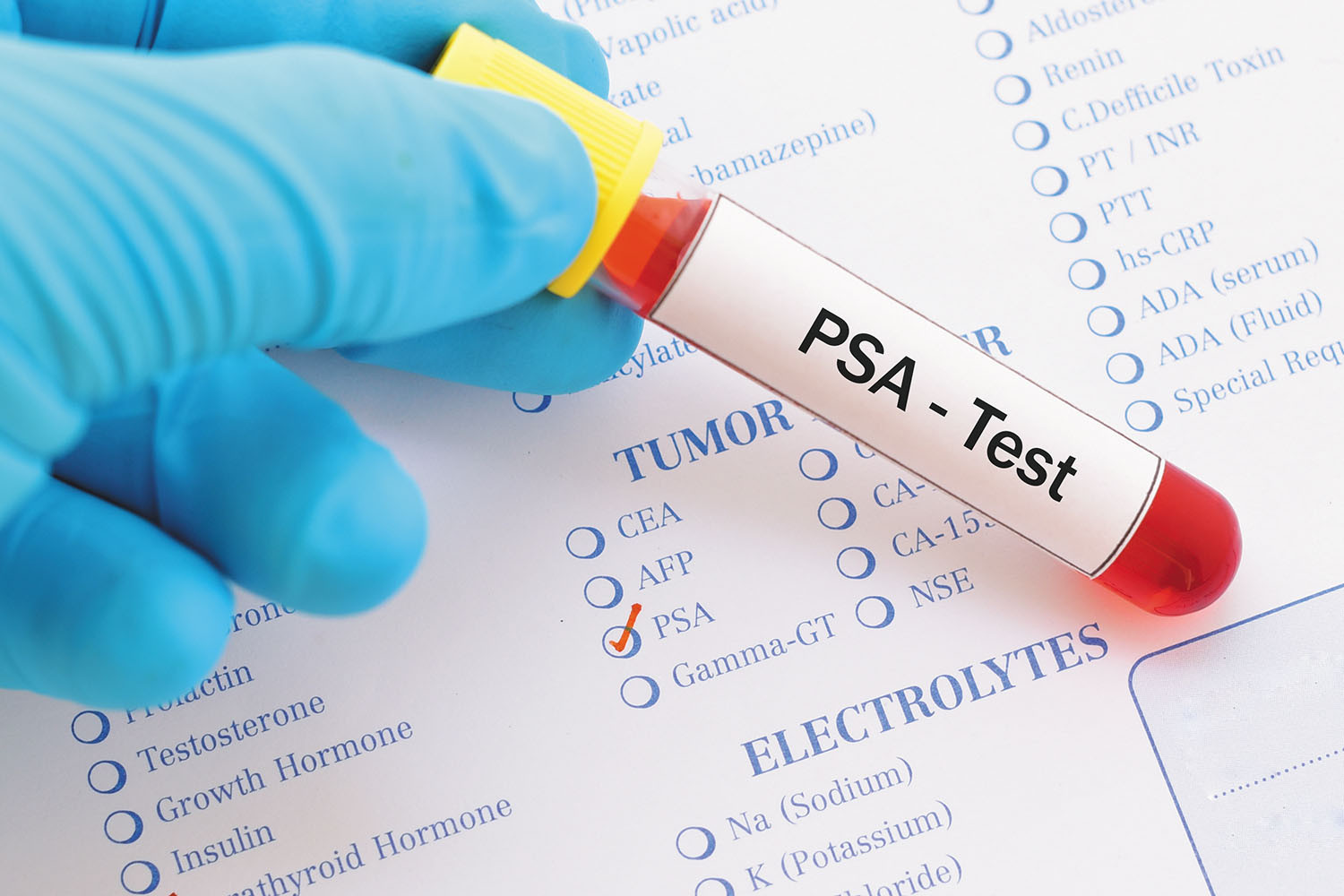
Older men continue to have excessive PSA testing
Guidelines recommend against routine prostate-specific antigen (PSA) testing in men ages 70 and older. Still, two 2023 studies found that men in this age group are having too many PSA tests.

Sexual feelings
Feelings of sexual desire change for both men and women as they age. Sometimes the desire is more robust for only one partner, or desires fluctuate so much that partners are rarely in sync. Talking about these changes and exploring different ways to approach this new phase of sex can help both partners find mutual enjoyment.

Does my prostate cancer increase my risk for other cancers?
In general, prostate cancer that occurs after age 60 does not increase the risk of getting a second, different cancer. However, lifestyle habits that contribute to prostate cancer, like poor diet, lack of exercise, and obesity, can raise the risk for other cancers.

Older women disproportionately diagnosed with advanced cervical cancer
A 2023 study indicates that women 65 and older are diagnosed with advanced cervical cancer more often than younger women, and they have a worse prognosis.

Menopause marketing: Hype vs. truth
An array of "menopause skin care" products joined the beauty market in recent years. Some contain virtually the same active ingredients as "anti-aging" skin products. Falling estrogen levels during the menopause transition can lead to dryness and sagging. Broad-spectrum sunscreen, moisturizers, and other products can help offset these skin changes, but not prevent or cure them. Women should examine a product's ingredients to determine if a "menopause" version is truly different from a standard "anti-aging" version.

Opioid use disorder in older adults: More common than you might think
Adults over 60 are the largest users of prescription opioids in the United States. Opioid use disorder and death rates among older adults have skyrocketed in recent years. Various factors make people more likely to abuse opioids, including smoking or earlier substance use problems. People can avoid sliding into opioid misuse by taking opioids for the shortest possible time, using non-opioid medications, and trying alternative pain relief approaches.

Study questions commercial men's health clinics services
Consumers should be wary about direct-to-consumer men's health clinics, as many offer costly treatments not supported by evidence and lack medical oversight, according to a 2023 investigative study.

Young men with prostate cancer: Socioeconomic factors affect lifespan
Prostate cancer is generally viewed as a disease of older men, yet about 10% of new diagnoses occur in men age 55 or younger. Biological differences partially explain the discrepancy, but socioeconomic factors also play an important role.

Do you need testosterone therapy?
Advertisements and celebrity endorsements claim that by raising testosterone levels with testosterone replacement therapy (TRT), men can boost their sex drive and feel more robust. While TRT can help improve some physical, sexual, and mental health symptoms associated with low testosterone levels, it may not work for everyone, and despite the miracle claims, TRT cannot make older men feel 30 years younger.

Women with migraines more likely to have pregnancy complications
A 2023 study suggests that women who have migraine headaches before pregnancy may have higher risks of pregnancy complications that could threaten their health or that of their babies.
CoQ10: Should you take this popular supplement if you're on a statin?
Microplastics: A hidden health threat?
Oat vs. dairy milk: Nutrition, benefits, and downsides
What is tempeh? Benefits, nutrition, and how to use it
Healing after food poisoning
Children of centenarians may stay healthier and live longer too, study finds
Light exposure at night may raise risk for heart disease
Whole grains may improve several heart risk factors at once
A lumbar belt may help ease low back pain
Signs of pneumonia: Sometimes vague and unexpected
Free Healthbeat Signup
Get the latest in health news delivered to your inbox!
Sign Up
