

CoQ10: Should you take this popular supplement if you're on a statin?

Microplastics: A hidden health threat?

Oat vs. dairy milk: Nutrition, benefits, and downsides

What is tempeh? Benefits, nutrition, and how to use it

Healing after food poisoning

Children of centenarians may stay healthier and live longer too, study finds

Light exposure at night may raise risk for heart disease

Whole grains may improve several heart risk factors at once

A lumbar belt may help ease low back pain

Signs of pneumonia: Sometimes vague and unexpected
Contraception and birth control Archive
Articles

Skin in the game: Common skin problems and solutions for men
Dry skin and athlete's foot affect many men. There are several treatment options for both conditions, and steps you can take to prevent them from occurring or returning.
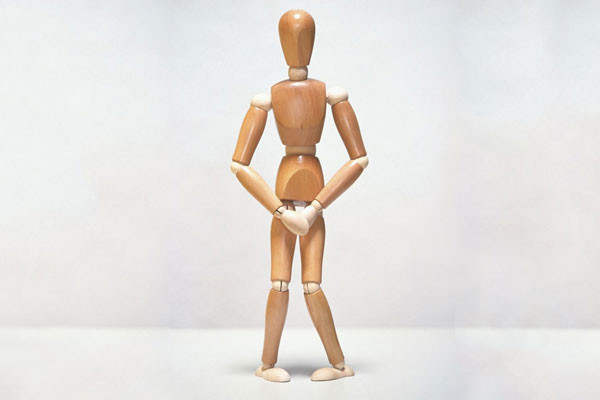
Try these techniques to relieve common urinary symptoms without medication
Men with mild-to-moderate symptoms of benign prostatic hyperplasia can try a conservative approach called watchful waiting. Behavior changes can help control symptoms. If these don't work, a discussion with a doctor about drugs or surgery is in order.

Prostate cancer: An emerging surgical alternative shows promise in older men
In some men with localized prostate cancer, focal therapy is an alternative to radical prostatectomy. This procedure removes only the cancerous part of the gland, and growing evidence shows it can be an effective strategy.
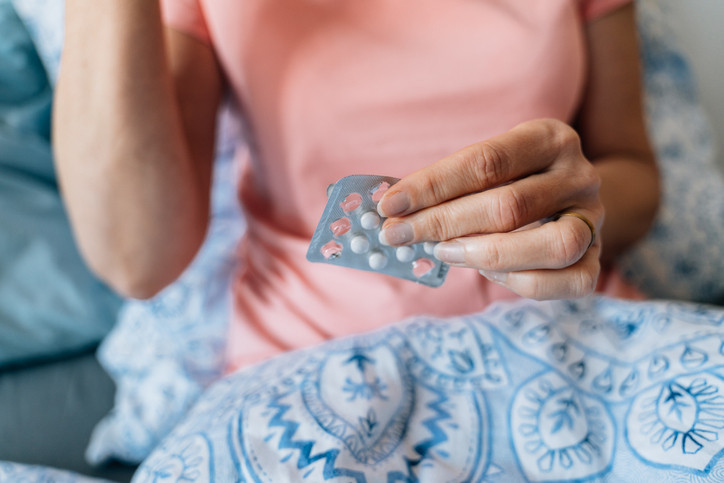
FDA approves first drug designed to treat hot flashes
In May 2023, the FDA approved fezolinetant (Veozah), a nonhormonal drug specifically designed to reduce the frequency and severity of hot flashes in women. Potential side effects include liver damage, abdominal pain, diarrhea, insomnia, or back pain.

Why do I bleed after sex?
Bleeding after sex can happen for many reasons, including vaginal dryness; inflammation from vaginal infections, including sexually transmitted infections; cervical polyps; or gynecological cancers. Women should see a doctor about unusual vaginal bleeding.

Watch out for tainted sexual enhancement products
According to the FDA, many sexual enhancement products sold online and over the counter may cause potentially serious side effects and interact with other medications or dietary supplements.

Diet and prostate cancer
Eating a plant-based diet like the Mediterranean, MIND, or DASH diet has been shown to help people lose weight and lower their risk for heart disease and diabetes. But such a diet may also help men lower their risk for prostate cancer or help slow the spread of existing prostate cancer. The connection may be due to high consumption of inflammation-fighting fruits, vegetables, and fatty fish, and the fact that people who follow a plant-based diet eat less red meat and processed foods, high intakes of which are associated with cancer risk.

National task force proposes updated breast cancer screening recommendations
The U.S. Preventive Services Task Force released updated draft guidelines in May 2023 proposing that women at average risk of breast cancer be screened every other year starting at age 40.
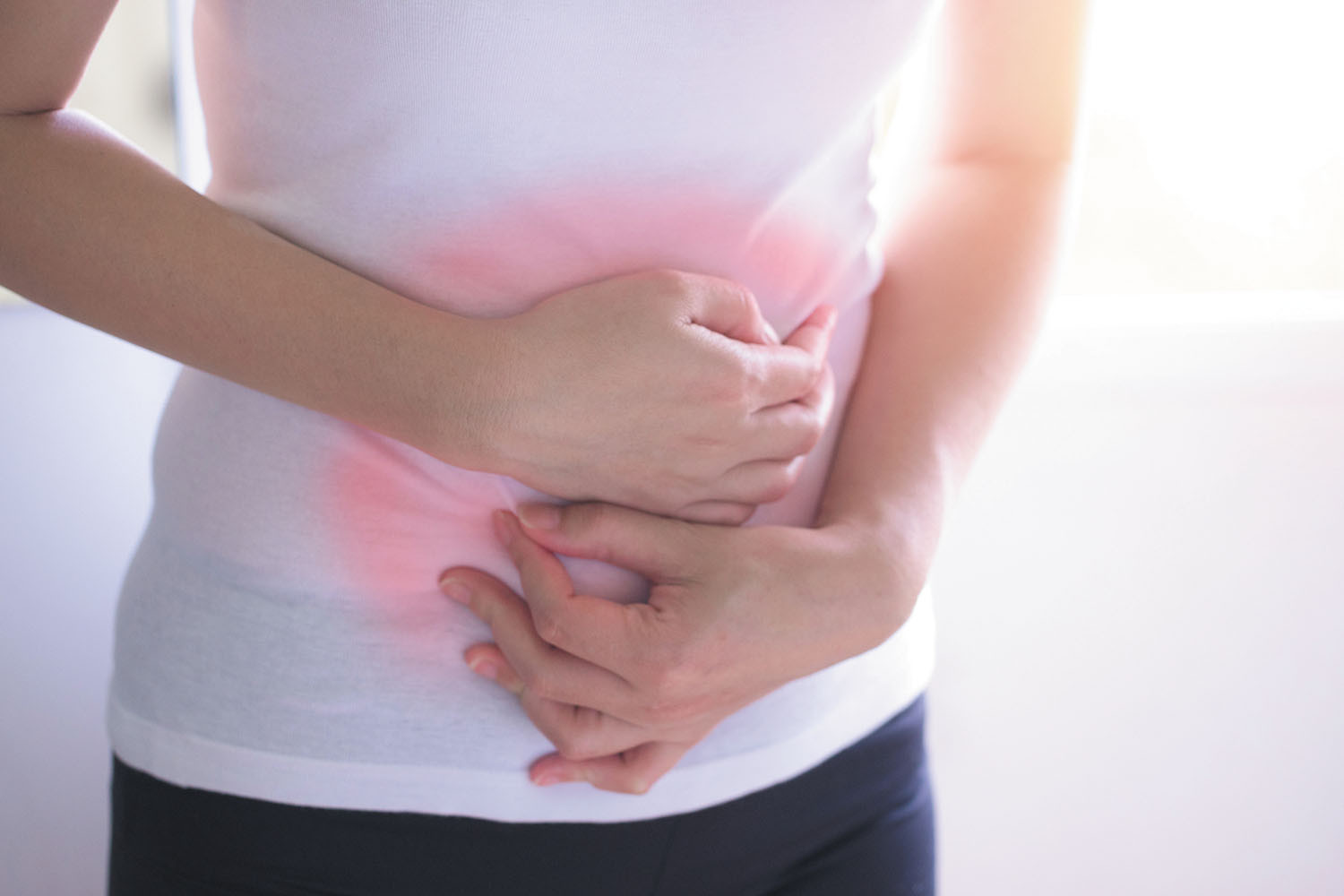

FDA approves new treatment for advanced prostate cancer
Approval by the FDA of a new drug combination for treatment of advanced prostate cancer fills a need and offers new hope to men whose cancer has progressed and who have already tried other therapies.
CoQ10: Should you take this popular supplement if you're on a statin?
Microplastics: A hidden health threat?
Oat vs. dairy milk: Nutrition, benefits, and downsides
What is tempeh? Benefits, nutrition, and how to use it
Healing after food poisoning
Children of centenarians may stay healthier and live longer too, study finds
Light exposure at night may raise risk for heart disease
Whole grains may improve several heart risk factors at once
A lumbar belt may help ease low back pain
Signs of pneumonia: Sometimes vague and unexpected
Free Healthbeat Signup
Get the latest in health news delivered to your inbox!
Sign Up
