

CoQ10: Should you take this popular supplement if you're on a statin?

Microplastics: A hidden health threat?

Oat vs. dairy milk: Nutrition, benefits, and downsides

What is tempeh? Benefits, nutrition, and how to use it

Healing after food poisoning

Children of centenarians may stay healthier and live longer too, study finds

Light exposure at night may raise risk for heart disease

A lumbar belt may help ease low back pain

Whole grains may improve several heart risk factors at once

Signs of pneumonia: Sometimes vague and unexpected
Caregiving Archive
Articles


Microwaving food in plastic: Dangerous or not?
Let's cover the original misinformation first: The earliest missives warned that microwaved plastic releases cancer-causing chemicals called dioxins into food. The problem with that warning is that plastics don't contain dioxins. They are created when garbage, plastics, metals, wood, and other materials are burned. As long as you don't burn your food in a microwave, you aren't exposing yourself to dioxins.
Migrating chemicals
There's no single substance called "plastic." That term covers many materials made from an array of organic and inorganic compounds. Substances are often added to plastic to help shape or stabilize it. Two of these plasticizers are

Feeling okay about feeling bad is good for your mental health
A trio of studies investigated the connection between the ability to accept the negative emotions generated by stressful situations and a person’s long-term psychological health.


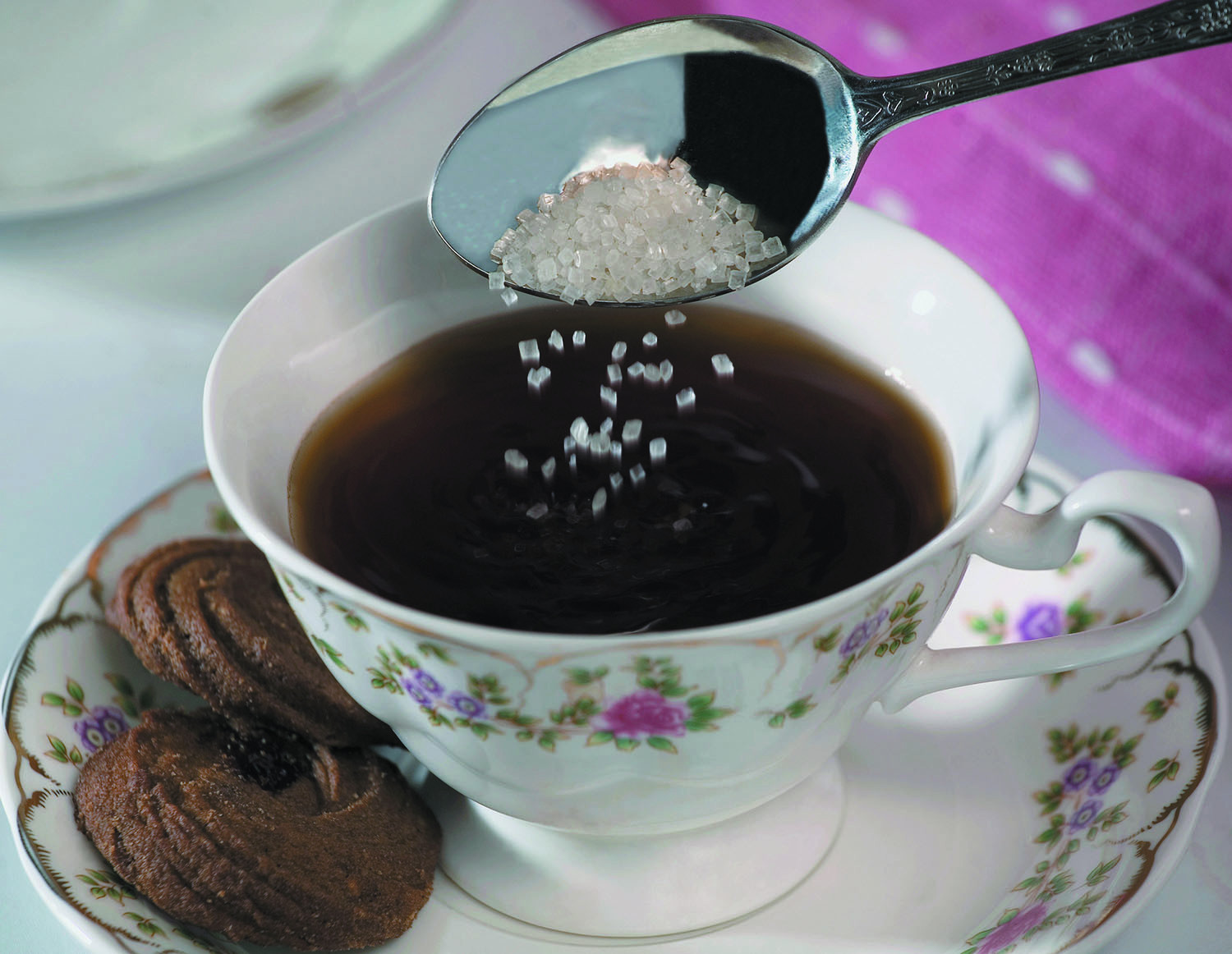
Which is better, high-fructose corn syrup or table sugar?
Ask the doctors
Image: © Hemant Mehta/Thinkstock
Q. I've been trying to avoid high-fructose corn syrup. Is table sugar a healthier alternative?
A. Wouldn't it be nice if there were a healthy sugar that you could eat guilt-free? Unfortunately, when it comes to high-fructose corn syrup and table sugar, there really isn't a "good" option. High-fructose corn syrup and table sugar are actually pretty similar from a chemical standpoint.

Putting off retirement may benefit your brain, health, and longevity
The purpose and engagement of a job you love can keep you healthy and connected.
Image: © monkeybusinessimages/Thinkstock
While many women dream of kicking back and relaxing into retirement, there's increasing evidence that in some cases, it's better for your brain and your health to keep your nose to the grindstone a little longer.
"The research to date is mixed, but it tends toward the positive — that is, for many people, there are health benefits to working longer," says Dr. Nicole Maestas, associate professor of health care policy at Harvard Medical School.

Dogs may increase activity levels in older adults
Research we're watching
Image: © Halfpoint/Thinkstock
Dog is a woman's best … workout buddy? Maybe, says a study published online June 9 by BMC Public Health, which found that having a dog appeared to increase physical activity in older adults.
Researchers asked 43 pairs of dog owners and non-owners to wear an activity monitor for a week to track their physical movements. Subjects wore the device three times over the course of one year. They also kept an activity log that included information about themselves and their dog, as well as their daily schedule. As it turns out, the dog owners spent more time walking than those without a dog, and they also took about 2,670 more steps each day. So, if you've been thinking about getting a dog this might give you one more reason to consider a furry friend.
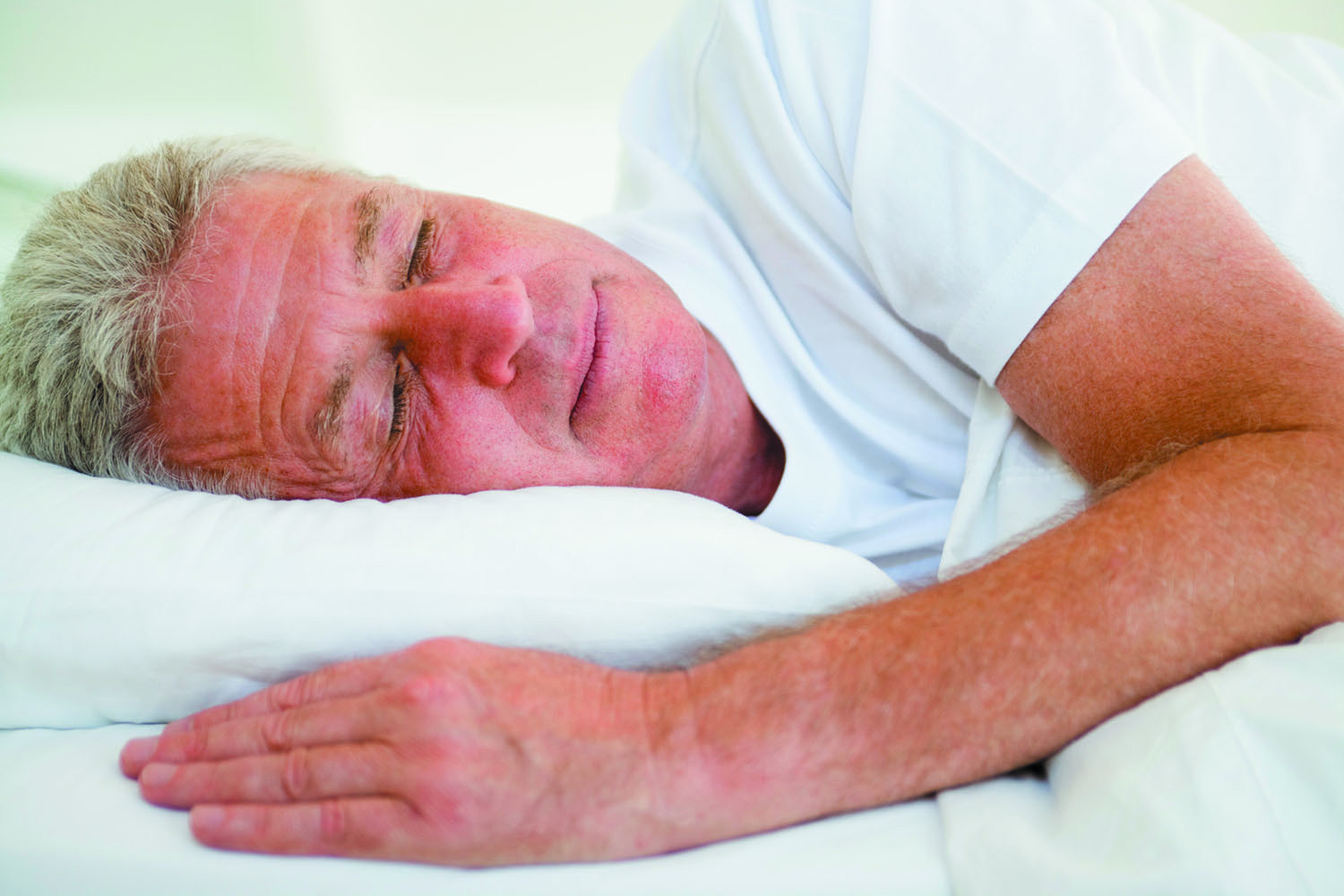
Alzheimer’s wake-up call
Can getting quality sleep help prevent the disease?
Image: © Monkey Business Images/Thinkstock
A good night's sleep does more than rejuvenate you for the next day. It may help protect you against Alzheimer's disease. Research has begun to show an association between poor sleep and a higher risk of accumulating beta-amyloid protein plaque in the brain, one of the hallmarks of the disease.
"Observational studies have found that adults over age 65 with amyloid plaques in their brain have reduced slow-wave sleep, which is thought to play an important role in memory function, even though these people do not yet show signs of Alzheimer's, like memory loss and cognitive decline," says Dr. Brad Dickerson, associate professor of neurology at Harvard Medical School. "It may be that quality sleep could play a role in who may get Alzheimer's."
CoQ10: Should you take this popular supplement if you're on a statin?
Microplastics: A hidden health threat?
Oat vs. dairy milk: Nutrition, benefits, and downsides
What is tempeh? Benefits, nutrition, and how to use it
Healing after food poisoning
Children of centenarians may stay healthier and live longer too, study finds
Light exposure at night may raise risk for heart disease
A lumbar belt may help ease low back pain
Whole grains may improve several heart risk factors at once
Signs of pneumonia: Sometimes vague and unexpected
Free Healthbeat Signup
Get the latest in health news delivered to your inbox!
Sign Up
