

CoQ10: Should you take this popular supplement if you're on a statin?

Microplastics: A hidden health threat?

Oat vs. dairy milk: Nutrition, benefits, and downsides

What is tempeh? Benefits, nutrition, and how to use it

Healing after food poisoning

Children of centenarians may stay healthier and live longer too, study finds

Light exposure at night may raise risk for heart disease

A lumbar belt may help ease low back pain

Whole grains may improve several heart risk factors at once

Signs of pneumonia: Sometimes vague and unexpected
Caregiving Archive
Articles




To the point: Here’s what parents should know and do about Netflix’s To the Bone
A Netflix original movie about a young woman’s struggle with anorexia nervosa is raising questions among parents about whether the movie might glamorize the disorder, and how best to talk to children about this topic.

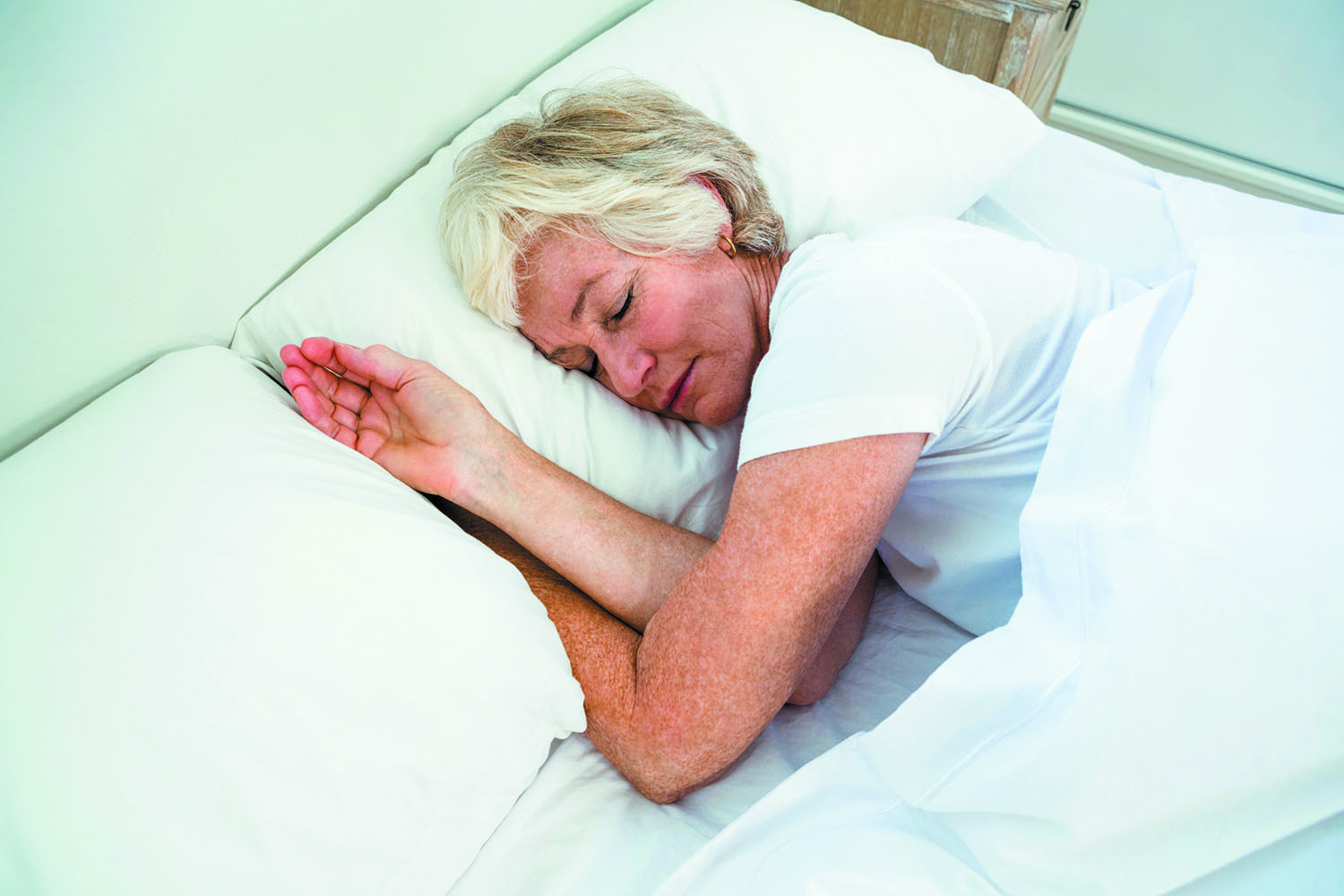
Setting the stage for sounder sleep
Sleeping less doesn't have to be a consequence of growing older. A few adjustments to your sleep habits can help you sleep longer and better.
Image: © Wavebreakmedia/Thinkstock
If worries that you're not getting enough sleep are keeping you up at night, it's little wonder. A steady stream of reports has linked inadequate sleep to cognitive decline. Studies have also shown that people with sleep debts accrued by consecutive nights of sleeping too little are at higher risk of cardiovascular disease, depression, diabetes, high blood pressure, and weight gain.
Sleep is essential to good health, and not just because it knits up the raveled sleeve of care. It restores physical and mental performance, immune function, and metabolism. But how much sleep is necessary for those functions? It varies from person to person, says Dr. Elizabeth Klerman, a physiologist and physician at Harvard-affiliated Brigham and Women's Hospital who studies sleep.

Midlife depression probably not a risk factor for dementia
In the journals
A study published online May 17, 2017, by JAMA Psychiatry found that while depression symptoms later in life were associated with dementia, having symptoms in midlife was not. The findings indicate that depression may not be a risk factor for dementia as previously thought, according to the researchers. In the study, about 10,000 people (two-thirds of them men), ages 35 to 55, were recruited and followed for 28 years. Those who reported chronic or recurring depression symptoms at the study's beginning did not show a significant increased risk of developing dementia by the study's end. However, those who reported depression symptoms within the final 11 years of the study were twice as likely to be diagnosed with dementia.
The researchers said that if depression symptoms were a true risk factor for dementia, there would be an association with people who had symptoms earlier in life and not just later. They concluded that depression later in life instead might be an early sign of dementia.


Exercise today, look better tomorrow (really)
A small study supports the idea that exercising improves body image, whether or not the activity leads to any visible change in appearance. This suggests that additional research examining different types of exercise, and the long-term psychological effects of physical activity would be valuable.

Successful aging: 10 tips for better sleep
Getting enough good-quality sleep is essential to staying healthy and aging well. Certain sleep problems — for example, sleep apnea — require medical treatment. But these 10 simple steps can help you overcome general sleep difficulties, including insomnia.
- Stick to a consistent sleep schedule and routine. Go to bed at the same time each night and wake up at the same time each morning. A set sleep routine will "train" you to fall asleep and wake up more easily.
- Use the bed only for sleep and sex.
- Cut down on caffeine. For some people, a single cup of coffee in the morning means a sleepless night. Caffeine can also increase the need to urinate during the night.
- Be physically active. Regular aerobic exercise like walking, running, or swimming provides three important sleep benefits: you'll fall asleep faster, attain a higher percentage of restorative deep sleep, and awaken less often during the night.
- Limit daytime naps. Prolonged napping can disrupt your natural sleep cycle and prevent you from feeling tired enough to fall asleep.
- If you use tobacco in any form, quit. Nicotine makes it harder to fall asleep.
- Use alcohol cautiously. Alcohol depresses the nervous system, so a nightcap may help some people fall asleep. But this effect disappears after a few hours and may even lead to waking up throughout the night. Alcohol can also worsen snoring and other sleep breathing problems.
- Improve your sleep surroundings. Remove the television, telephone, and any other devices from the bedroom. This reinforces the idea that this room is meant for sleeping. An ideal environment is quiet, dark, and relatively cool, with a comfortable bed and minimal clutter.
- If you're still awake after about 20 minutes in bed, get up and read awhile to relax. Otherwise, you'll set yourself up for tossing and turning.
- Try to avoid taking sleeping pills. If you do take a prescription sleep medicine, work with your doctor to use it effectively and for as short a time as possible.
For more ways to get better-quality sleep and tackle common sleep problems, buy Improving Sleep: A guide to a good night's rest, a Special Health Report from Harvard Medical School.
CoQ10: Should you take this popular supplement if you're on a statin?
Microplastics: A hidden health threat?
Oat vs. dairy milk: Nutrition, benefits, and downsides
What is tempeh? Benefits, nutrition, and how to use it
Healing after food poisoning
Children of centenarians may stay healthier and live longer too, study finds
Light exposure at night may raise risk for heart disease
A lumbar belt may help ease low back pain
Whole grains may improve several heart risk factors at once
Signs of pneumonia: Sometimes vague and unexpected
Free Healthbeat Signup
Get the latest in health news delivered to your inbox!
Sign Up
