

CoQ10: Should you take this popular supplement if you're on a statin?

Microplastics: A hidden health threat?

Oat vs. dairy milk: Nutrition, benefits, and downsides

What is tempeh? Benefits, nutrition, and how to use it

Healing after food poisoning

Children of centenarians may stay healthier and live longer too, study finds

Light exposure at night may raise risk for heart disease

A lumbar belt may help ease low back pain

Whole grains may improve several heart risk factors at once

Signs of pneumonia: Sometimes vague and unexpected
Caregiving Archive
Articles

Six healthy snacking strategies
How can you keep snacking from derailing your healthy eating program, not to mention weight control? Try these tips.
Don't skip meals. Skipping meals may seem like a good way to cut calories, but in fact this just makes you so hungry later in the day that you're vulnerable to devouring mega-portions of snack food, in order to supply your body with easily digested sugars.
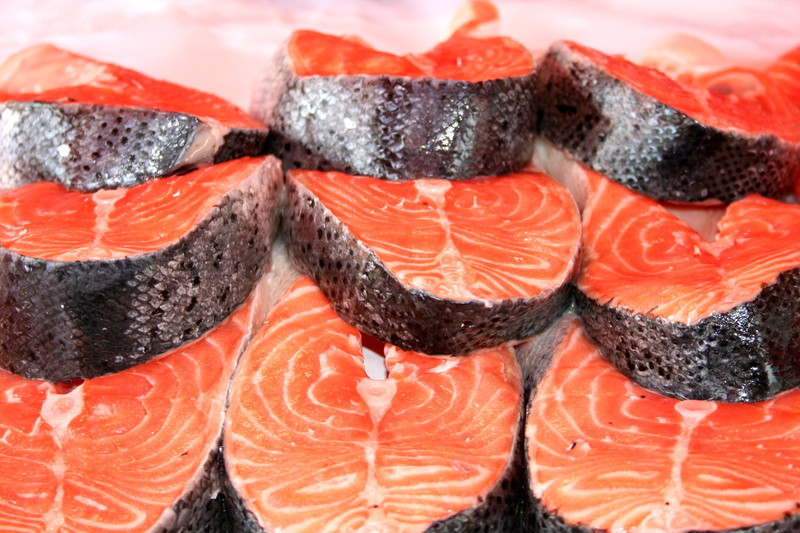
What to do about mercury in fish
Fish is an excellent source of protein, and its healthy oils protect against cardiovascular disease. Because a diet rich in seafood protects the heart and aids neurological development, fish remains an important component of a healthy diet.
However, nearly all fish and shellfish contain traces of mercury, a toxic metal, and some seafood contains other contaminants known as persistent organic pollutants (POPs). As small fish are eaten by larger fish up the food chain, concentrations of mercury and POPs increase, so that large, predatory deep-ocean fish tend to contain the highest levels. That makes it best to avoid eating large fish, such as shark, swordfish, tilefish, and king mackerel. As long as you avoid these higher sources of mercury, the benefits of eating fish far outweigh the risks of mercury in fish.




4 tricks to rev up your memory
Stay ahead of age-related changes in thinking skills by making the most of your brain's memory process.
We all have moments of forgetfulness about where we put the keys, why we walked into a room, or what an object is called. Most likely, this reflects age-related changes in thinking skills. "In terms of brain function, everyone has a decline over time in all areas, with the exception of vocabulary," says Dr. Joel Salinas, a neurologist specializing in behavioral neurology and neuropsychiatry at Harvard-affiliated Massachusetts General Hospital.
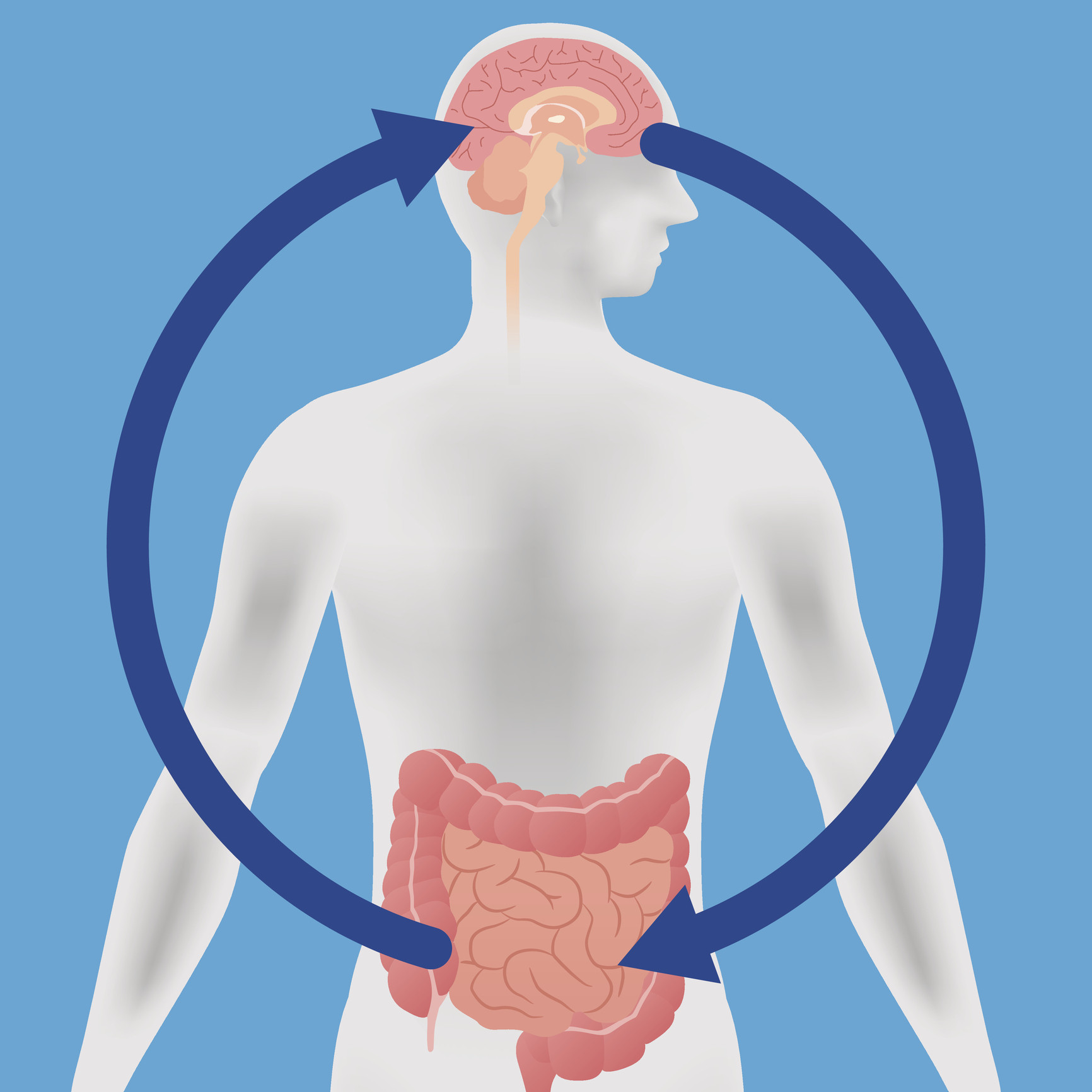
How memory works
Memory involves three processes: encoding, recording, and retrieval. The brain receives and encodes (takes in) new information; the brain then records (stores) the information; finally, the brain retrieves information when you need it.

Exercise and better thinking skills: More evidence for a possible link
News briefs
Image: © Horsche/Thinkstock
A review of research published online April 24, 2017, by the British Journal of Sports Medicine suggests that physical exercise may help improve thinking skills in adults ages 50 or older, regardless of their mental performance when they started exercising. Researchers combed through 39 randomized controlled trials that looked at this age group. Most of the studies involved people who did aerobic exercise (the kind that gets your heart and lungs pumping, like brisk walking), resistance training (the kind that works your muscles and bones, like weight lifting), or a combination of aerobics and resistance training. A handful of the studies involved people who did yoga or tai chi. In all of the studies, participants took tests that measured various aspects of thinking skills — such as attention, working memory, and the ability to plan, organize, and manage time. All exercise types but yoga appeared to have benefits for the brain. The authors say the exercise regimen with the biggest brain boost was a combination of both aerobic and resistance-type training, of at least moderate intensity, for at least 45 minutes per session on as many days of the week as possible. The takeaway? Start exercising, and incorporate resistance training into your weekly routine.

Tennis, anyone?
When it comes to heart health, there's a lot to love about racket sports.
If you haven't lobbed a tennis ball over a net since high school, you might want to pick up a racket again. A recent study suggests that people who play racket sports regularly may slash their odds of dying from a heart attack or stroke.
Tennis, which ranks among the world's most popular sports, provides an excellent full-body workout, plus a few other less obvious benefits. And lower-impact racket sports, such as badminton or table tennis, may be good choices for people who have certain health conditions or who are older (see "Ping-Pong, perhaps?").
CoQ10: Should you take this popular supplement if you're on a statin?
Microplastics: A hidden health threat?
Oat vs. dairy milk: Nutrition, benefits, and downsides
What is tempeh? Benefits, nutrition, and how to use it
Healing after food poisoning
Children of centenarians may stay healthier and live longer too, study finds
Light exposure at night may raise risk for heart disease
A lumbar belt may help ease low back pain
Whole grains may improve several heart risk factors at once
Signs of pneumonia: Sometimes vague and unexpected
Free Healthbeat Signup
Get the latest in health news delivered to your inbox!
Sign Up
