

CoQ10: Should you take this popular supplement if you're on a statin?

Microplastics: A hidden health threat?

Oat vs. dairy milk: Nutrition, benefits, and downsides

What is tempeh? Benefits, nutrition, and how to use it

Healing after food poisoning

Children of centenarians may stay healthier and live longer too, study finds

Light exposure at night may raise risk for heart disease

A lumbar belt may help ease low back pain

Whole grains may improve several heart risk factors at once

Signs of pneumonia: Sometimes vague and unexpected
Caregiving Archive
Articles



Safe injection sites and reducing the stigma of addiction
The scope of the opioid crisis in the US has led some communities to revise their view of substance use disorders. One idea is creating supervised injection facilities that would provide a safe environment and make treatment resources available.

A quick-start guide to the latest food terminology
New phrases showing up on packaging don't always tell you if the food is better for your health.
Image: © Jupiterimages/Thinkstock
You're not alone if you don't know the meaning of certain terms on food labels lately. A new language has developed to describe healthy ways to produce meat, vegetables, fruit, and other products in the grocery store. "It's not just the terms that are confusing, but also various associated health claims," says Vasanti Malik, a nutrition researcher at the Harvard T.H. Chan School of Public Health.
Organic vs. natural
Some food is labeled "organic" or "natural." What's the difference? The FDA doesn't have a definition for "natural," although it doesn't object to the term if a food does not contain added color, artificial flavors, or synthetic substances.

Can relationships boost longevity and well-being?
Harvard research suggests meaningful relationships are a prescription for better emotional, mental, and physical health.
Image: © digitalskillet/Thinkstock
You probably know there are many ways to improve your well-being and chances of living longer, such as exercising more or eating better. But did you know that maintaining meaningful relationships also may play an important role in health, happiness, and longevity? "Good, close relationships appear to buffer us from the problems of getting old," says Dr. Robert Waldinger, a psychiatrist with Harvard-affiliated Massachusetts General Hospital.
Eight decades of research
Dr. Waldinger is the current director of the Harvard Study of Adult Development, an ongoing analysis that's followed more than 700 men since they were teenagers in 1938. More than 60 of the original participants, now in their 90s, are still taking part.

Looking for early signs of Alzheimer’s
By the time memory loss shows up, the disease is well under way. Researchers are finding ways that may reveal brain changes sooner.
For a long time, memory loss was seen as the telltale sign of Alzheimer's disease. While this is certainly the most common symptom, it may not be the best way to identify the disease in its early stages.
"A major problem of Alzheimer's diagnosis, and ultimately effective treatment, is that by the time the first clinical symptoms appear, irreversible damage to the brain has already occurred," says Dr. Seth Gale, a neurologist with Harvard-affiliated Brigham and Women's Hospital. "It is now believed that Alzheimer's-related changes begin in the brain at least a decade before any symptoms emerge."
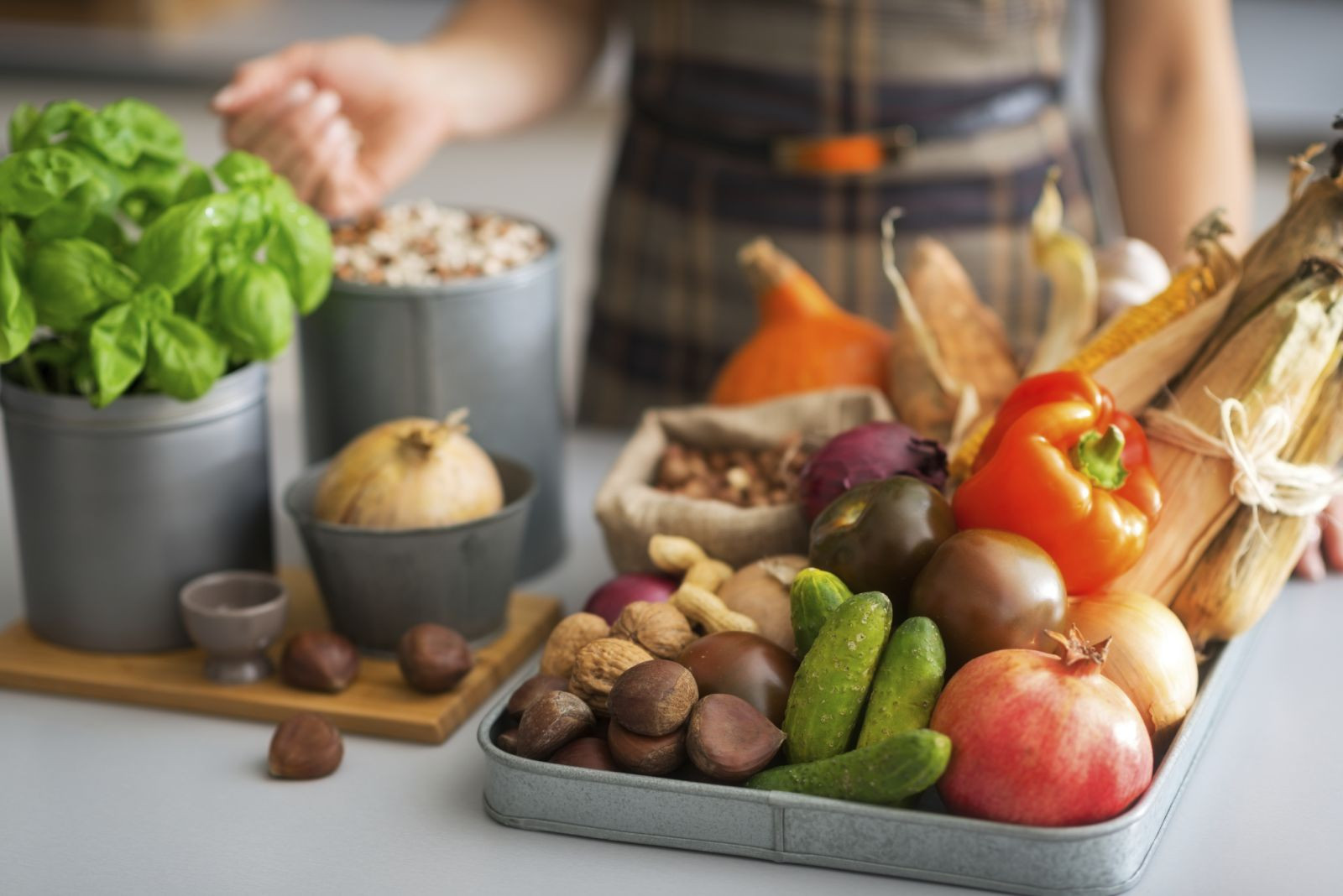
Does your diet deliver vitamin-rich foods?
It's easy enough to look up how much vitamin C or calcium you should get each day. It is also easy to read the back of a vitamin bottle to see just how much of a given vitamin or mineral the product provides. But how can you tell if what you eat — which should be your primary source of important nutrients — is giving you what you need?
One way is to focus on the big picture: eat a balanced diet that contains a variety of colorful fruits and vegetables, whole grains, beans, nuts, dairy products, seafood, lean meats, and poultry. Focus on nutrient-dense foods like these, which are packed with vitamins and minerals relative to the number of calories they deliver, and you should be fine.



CoQ10: Should you take this popular supplement if you're on a statin?
Microplastics: A hidden health threat?
Oat vs. dairy milk: Nutrition, benefits, and downsides
What is tempeh? Benefits, nutrition, and how to use it
Healing after food poisoning
Children of centenarians may stay healthier and live longer too, study finds
Light exposure at night may raise risk for heart disease
A lumbar belt may help ease low back pain
Whole grains may improve several heart risk factors at once
Signs of pneumonia: Sometimes vague and unexpected
Free Healthbeat Signup
Get the latest in health news delivered to your inbox!
Sign Up
