

CoQ10: Should you take this popular supplement if you're on a statin?

Microplastics: A hidden health threat?

Oat vs. dairy milk: Nutrition, benefits, and downsides

What is tempeh? Benefits, nutrition, and how to use it

Healing after food poisoning

Children of centenarians may stay healthier and live longer too, study finds

Light exposure at night may raise risk for heart disease

A lumbar belt may help ease low back pain

Whole grains may improve several heart risk factors at once

Signs of pneumonia: Sometimes vague and unexpected
Caregiving Archive
Articles

Aerobic Fitness Test: The Step Method
To help assess your aerobic fitness, here is a minimum standard: See if you can walk up five flights of stairs at your own pace without stopping, using the railing only for balance. The test may seem too simple to be useful, but in the days before sophisticated exercise tests were widely available, thoracic surgeons used this very test to see if their patients were fit enough to undergo lung operations. In modern terms, people who pass the five-flight test have maximum oxygen uptake values of at least 20. That level will get you through surgery and daily life, but healthy people should use exercise to build up to levels two or even three times higher.
It is unlikely that a health club would ask you to use the stairwell for self-assessment, but it might well use a single 12-inch step or bench to evaluate your fitness. With just a little help, you can do it yourself. Ask someone to time you and count for you so you can concentrate on the task at hand (or foot!). At the signal to begin, step up with your right foot, then bring your left foot up beside it. Follow the "up, up" with "down, down" to complete one step. Repeat at a rate of 24 steps per minute for three consecutive minutes. Then rest in a chair for exactly one minute before taking your pulse. Finally, use the YMCA standards (see table below) to see how you stack up.




Emergencies and First Aid - Heimlich Maneuver on an Adult
Heimlich Maneuver on an Adult
| ||||

Emergencies and First Aid - Heimlich Maneuver on a Child
Heimlich Maneuver on a Child
| ||

Emergencies and First Aid - Heimlich Maneuver on an Infant
Heimlich Maneuver on an Infant
| ||||

What you can learn from wellderlies
Some people live long lives with no disease or serious illness. What can they teach you about healthy living?
Image: Creatas | Thinkstock /Thinkstock
You won't live forever, but it may be possible to live a long and maybe disease-free life by following the lead of "wellderlies."
This is a term to describe a special group of people who have reached ages 90 to 100 without having any major health issue or disease. And if they do get sick, it often happens late in their life and a short period before death.
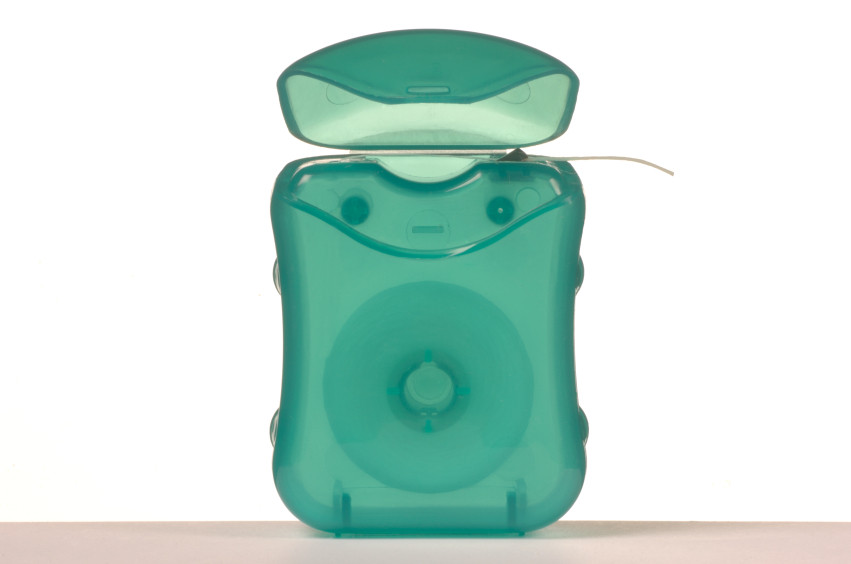
Ask the doctor: Do I really need to floss every day?
Ask the doctor
Q. I recently read an article claiming that flossing your teeth is a useless activity. Is this true? Should I not do it anymore?
A. Last year, the U.S. government's dietary guidelines dropped the recommendation for regular teeth flossing. This action was not due to any new research refuting the benefit, but rather the fact that the existing research did not meet current standards for "proof" of benefit.
Ask the doctor: Should I continue aspirin therapy if I do not have heart problems?
Aspirin therapy can help prevent a second heart attack and stroke, but for otherwise healthy older men, its use depends on their 10-year risk for a heart attack or stroke as determined by their doctor.
CoQ10: Should you take this popular supplement if you're on a statin?
Microplastics: A hidden health threat?
Oat vs. dairy milk: Nutrition, benefits, and downsides
What is tempeh? Benefits, nutrition, and how to use it
Healing after food poisoning
Children of centenarians may stay healthier and live longer too, study finds
Light exposure at night may raise risk for heart disease
A lumbar belt may help ease low back pain
Whole grains may improve several heart risk factors at once
Signs of pneumonia: Sometimes vague and unexpected
Free Healthbeat Signup
Get the latest in health news delivered to your inbox!
Sign Up
