

CoQ10: Should you take this popular supplement if you're on a statin?

Microplastics: A hidden health threat?

Oat vs. dairy milk: Nutrition, benefits, and downsides

What is tempeh? Benefits, nutrition, and how to use it

Healing after food poisoning

Children of centenarians may stay healthier and live longer too, study finds

Light exposure at night may raise risk for heart disease

A lumbar belt may help ease low back pain

Whole grains may improve several heart risk factors at once

Signs of pneumonia: Sometimes vague and unexpected
Caregiving Archive
Articles

Does drinking java lengthen your life?
News briefs
Image: © moodboard/Thinkstock
As we reported in May 2016, regularly drinking coffee is associated with lower blood pressure, less weight gain with aging, and less chance of developing type 2 diabetes or dying from cardiovascular or neurological diseases. Now a pair of 16-year studies published July 10, 2017, in Annals of Internal Medicine link coffee drinking with longevity. One study analyzed the coffee consumption of more than 520,000 men and women. People who drank three or more cups of coffee per day — either caffeinated or decaffeinated — were up to 12% less likely to die during the study, compared with people who didn't drink coffee. The other study involved more than 185,000 middle-age or older coffee drinkers who were African American, Native Hawaiian, Japanese American, Latino, or white. Those who drank four or more cups per day were 18% less likely to die for any reason during the study period compared with nondrinkers. This was the first large study of coffee drinking and longevity that included a racially and ethnically diverse group of people. The findings from these studies suggest, but don't prove, that regular coffee drinking helps you live longer. The beneficial effect of coffee seemed to plateau at more than four cups per day.

Anxiety and heart disease: A complex connection
A little bit of worry and stress is normal — even beneficial. But chronic anxiety may raise your risk for heart problems.
Image: © grinvalds/Thinkstock
If you feel anxious now and then, that's perfectly normal. In fact, worrying can spur you to take positive action that may benefit your health, such as getting screening tests or doing regular exercise. But excessive worrying can have the opposite effect.
"Small amounts of anxiety and stress can push people to be more productive. The problem happens when anxiety becomes so overwhelming that you're unable to function normally," says Dr. Christopher Celano, a psychiatrist at the Cardiac Psychiatry Research Program at Harvard-affiliated Massachusetts General Hospital. That level of worry and stress may represent an anxiety disorder, a group of conditions that affect some 40 million adults in this country.

Does drinking coffee offer health benefits?
On call
Image: © ktasimarr/Thinkstock
Q. I keep hearing about how great coffee is for your health. Is this just hype, or are there real benefits?
A. Multiple studies have associated drinking coffee with reduced rates of diseases, such as diabetes, kidney stones, and dementia. However, just because people who drink coffee appear to get certain health benefits, these types of studies don't prove that the coffee itself is the reason.

Men (back) at work
Recreating the workplace dynamics helps older men strengthen their social bonding and thinking skills.
<Image: © Highwaystarz-Photography/Thinkstock/p>
Men who retire are often happy to leave behind their work life, but one aspect they still need is the workplace's packlike male bonding. Group lunches, team projects, watercooler banter — all these help men establish social connections that keep their brains and bodies active and healthy.
"Women tend to make friends across their life span, while men acquire friends in clumps through shared experiences like sports, the military, and work," says Dr. Richard S. Schwartz, a psychiatrist with Harvard-affiliated McLean Hospital. "When one source is eliminated, men tend to lose some of those friends over time and have to find other ways to connect with people and fill those missing gaps."
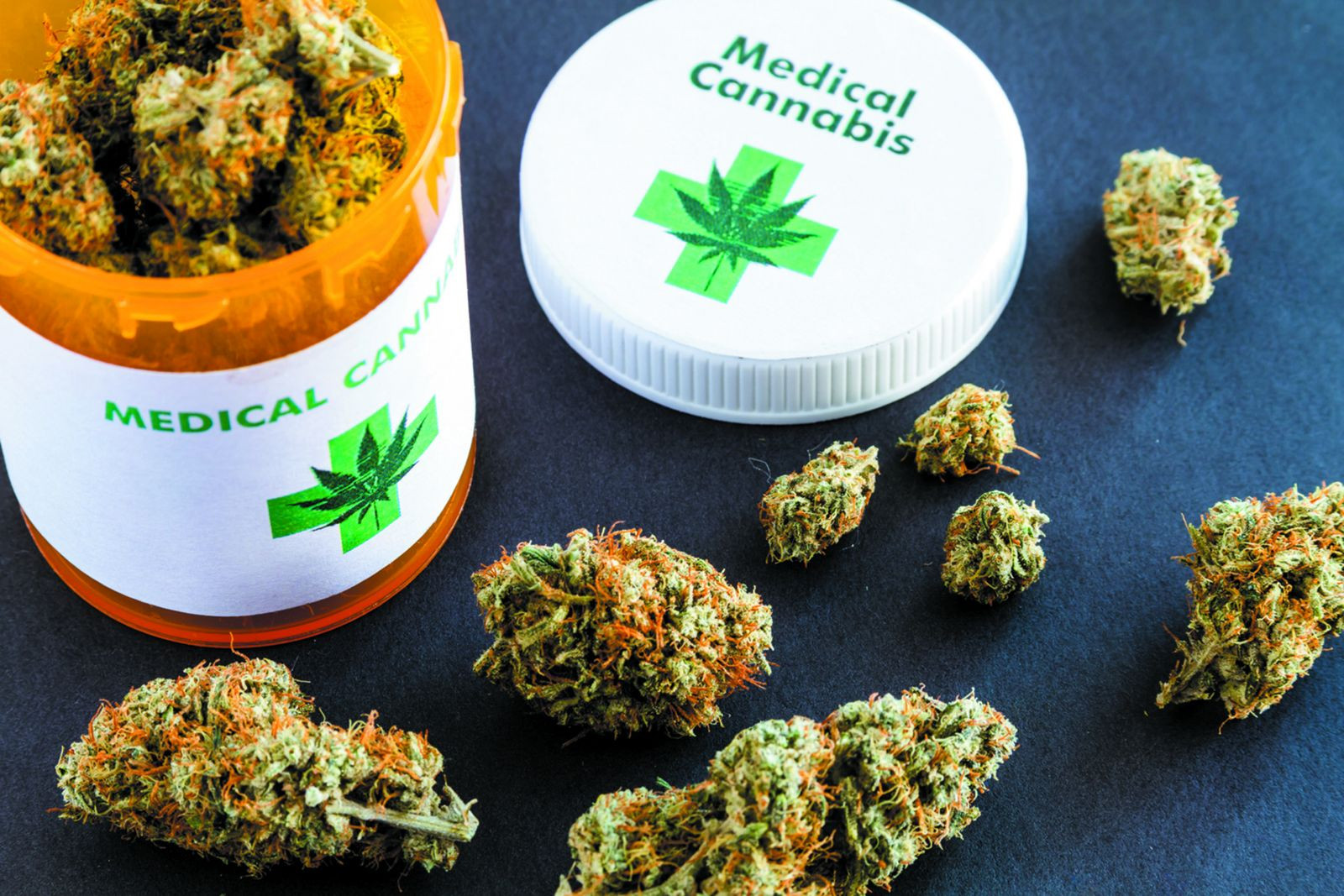
Medical marijuana: Know the facts
While the drug therapy is becoming more widely available, the science is still not clear on how it may help.
Image: © tvirbickis/Thinkstock
Medical marijuana has been approved in 28 states and the District of Columbia, but researchers are still trying to connect the dots as to how, and if, it works.
"Unfortunately, there are almost no uses of medical marijuana that have been subjected to the kind of rigorous testing you'd want for a pharmaceutical," says Dr. Kenneth Mukamal, associate professor of medicine at Harvard-affiliated Beth Israel Deaconess Medical Center. "This does not mean that it has no benefits, but only that the lack of human studies prevents us from being sure if medical marijuana can really help."

Positive outlook may mean better sleep
In the journals
Image: © gpointstudio/Thinkstock
Trouble sleeping? You may need to examine your outlook on life. A study published online July 10, 2017, by Sleep Science and Practice found that people who felt they had more meaning and purpose in their life had fewer sleep disturbances like sleep apnea and restless legs syndrome.
Researchers asked 823 older adults, average age 79, to fill out questionnaires about their sleep quality and their feelings about their lives, such as how strongly they agreed with statements like "I feel good when I think of what I've done in the past and what I hope to do in the future."

Sound amplification device may be a cheaper hearing aid choice
In the journals
Hearing aids can cost thousands of dollars, but a study in the July 4, 2017, Journal of the American Medical Association found that less expensive over-the-counter personal sound amplification products (PSAPs) might be a good alternative for some people.
PSAPs resemble hearing aids and help amplify sounds the same way, but are not regulated by the FDA and thus cannot be marketed as a correction or treatment for hearing loss. They often are advertised as being helpful in noisy places like crowds and meetings, and are sold online for about $200 to $400.
Is seltzer a better option than soda?
Ask the doctors
Q. I recently decided to give up soda and switched to flavored seltzer water. Is this a better choice for my health?
A. First, congratulations on giving up soda. Sugary drinks like soda have been linked to an increased risk of type 2 diabetes, heart problems, and other chronic health conditions, so that is definitely a win for your health. Switching to seltzer is a much better choice, provided you choose a brand that is sugar- and calorie-free.

10 tips to get you exercising regularly
Finding motivation to move is easier with these simple strategies.
Image: © moodboard/Thinkstock
If the treadmill in your bedroom looks more like a coat rack than a piece of workout equipment, you're not alone. Many women struggle to commit to and keep up with a regular exercise program.
Often, they've got legitimate reasons for skipping those workouts.

Working out in the office doesn’t lower productivity
Research we're watching
Image: © AndreyPopov/Thinkstock
Some women squeeze in exercise by using active workstations, which enable them to move more during the workday. But you may wonder: will this type of multitasking make you less productive on the job?
A study in the May issue of Medicine & Science in Sports & Exercise says it doesn't appear to. The study authors tested the cognitive performance of 58 workers — 32 young and 26 middle-aged — who were asked to walk for 50 minutes at a time on an active workstation treadmill. The study authors concluded the walking didn't hinder the workers' ability to effectively complete mental tasks, aside from a slight dip in planning skills during the workout. And they were able to log an average of 4,500 more steps per day during their sessions.
CoQ10: Should you take this popular supplement if you're on a statin?
Microplastics: A hidden health threat?
Oat vs. dairy milk: Nutrition, benefits, and downsides
What is tempeh? Benefits, nutrition, and how to use it
Healing after food poisoning
Children of centenarians may stay healthier and live longer too, study finds
Light exposure at night may raise risk for heart disease
A lumbar belt may help ease low back pain
Whole grains may improve several heart risk factors at once
Signs of pneumonia: Sometimes vague and unexpected
Free Healthbeat Signup
Get the latest in health news delivered to your inbox!
Sign Up
