

CoQ10: Should you take this popular supplement if you're on a statin?

Microplastics: A hidden health threat?

Oat vs. dairy milk: Nutrition, benefits, and downsides

What is tempeh? Benefits, nutrition, and how to use it

Healing after food poisoning

Children of centenarians may stay healthier and live longer too, study finds

Light exposure at night may raise risk for heart disease

A lumbar belt may help ease low back pain

Whole grains may improve several heart risk factors at once

Signs of pneumonia: Sometimes vague and unexpected
Caregiving Archive
Articles
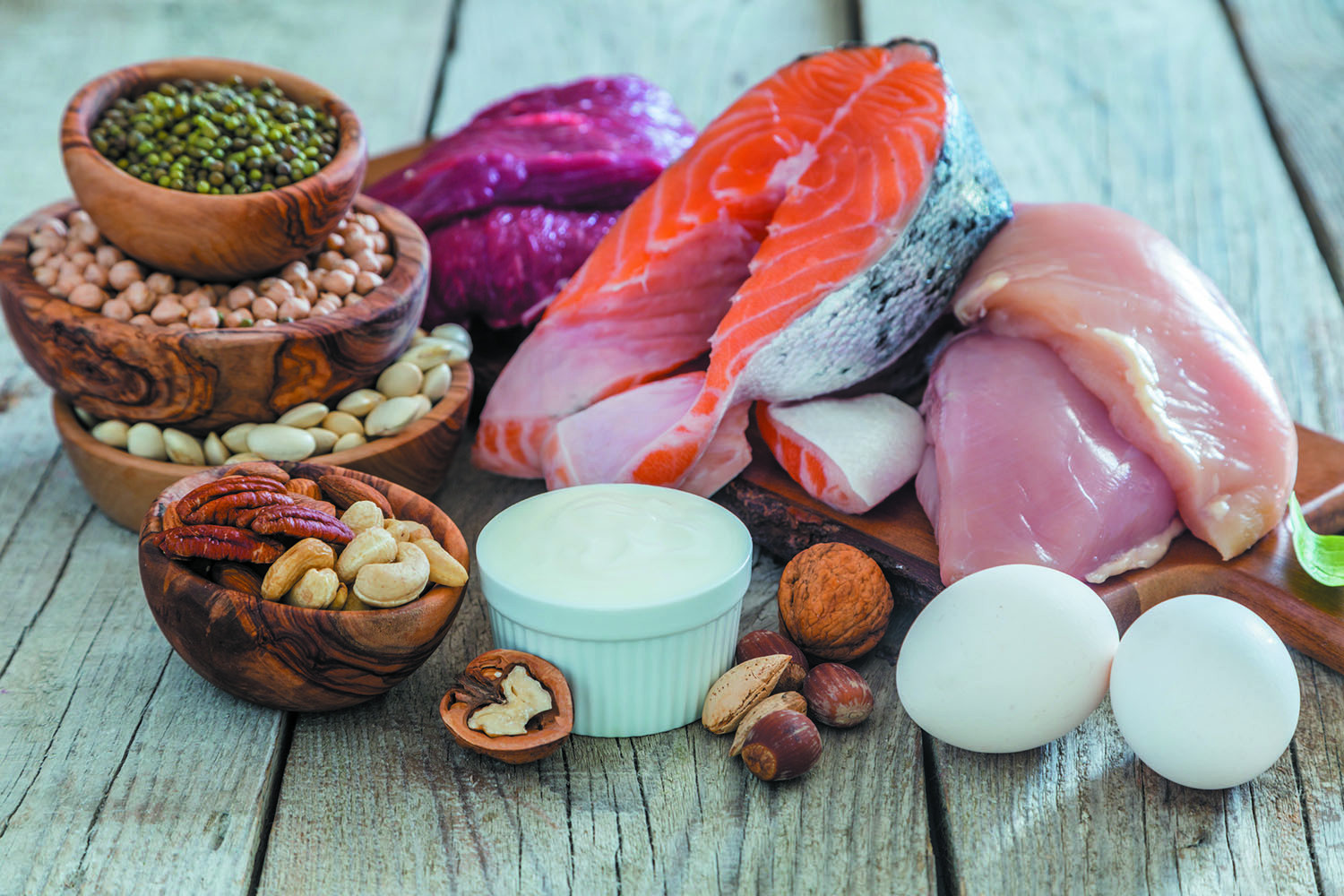
Protein at every meal may help preserve muscle strength as you age
Research we're watching
Image: © a_namenko/Thinkstock
Want to maintain your muscle strength as you age? A study in the July issue of The American Journal of Clinical Nutrition suggests that eating protein at breakfast, lunch, and dinner may help.
While it has been long thought that when you got your protein during the day didn't make a difference as long as your intake was sufficient, emerging research shows that this may not be the case. Researchers in this study looked at a group of 1,741 healthy older men and women in Canada and followed them for three years. They assessed the participants' strength and mobility at the outset of the study, and then tracked their diets and reassessed their strength at the end of the study period. People who ate protein at all three meals throughout the day were stronger at the beginning and the end of the study than those who mostly ate their protein only at dinner — even if they ate roughly the same amount of protein over all.
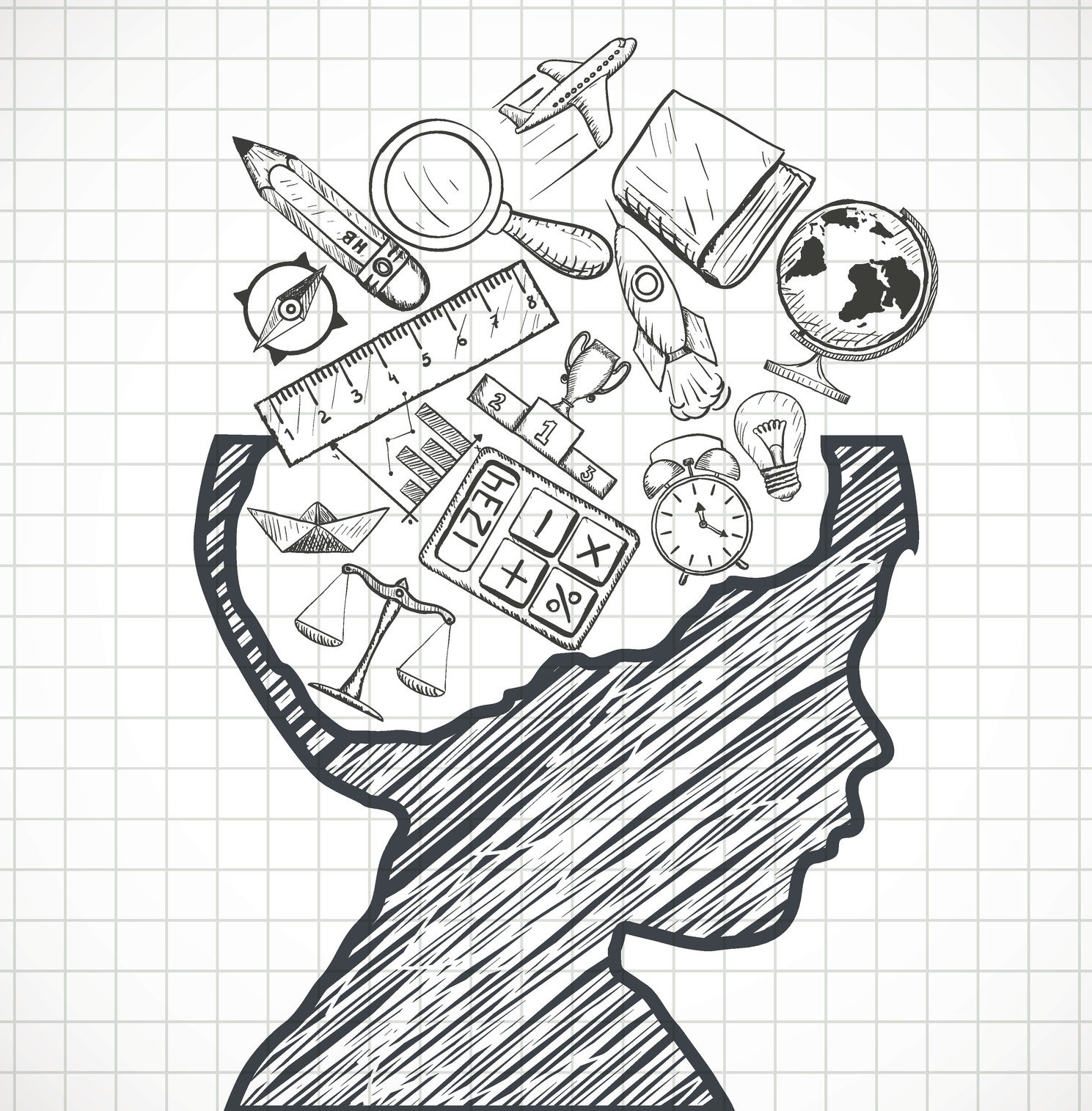
5 things parents and teachers need to know about ADHD
As many as 10% of children in the US have attention deficit hyperactivity disorder, creating challenges for them as well as teachers, classmates, and family members. Understanding the condition is crucial to treating it successfully.



The secret to happiness? Here’s some advice from the longest-running study on happiness
While it’s true that one’s inclination to happiness is partially inherited, an individual’s choices and behaviors also contribute significantly, and research has found that the happiest people all have certain traits in common.
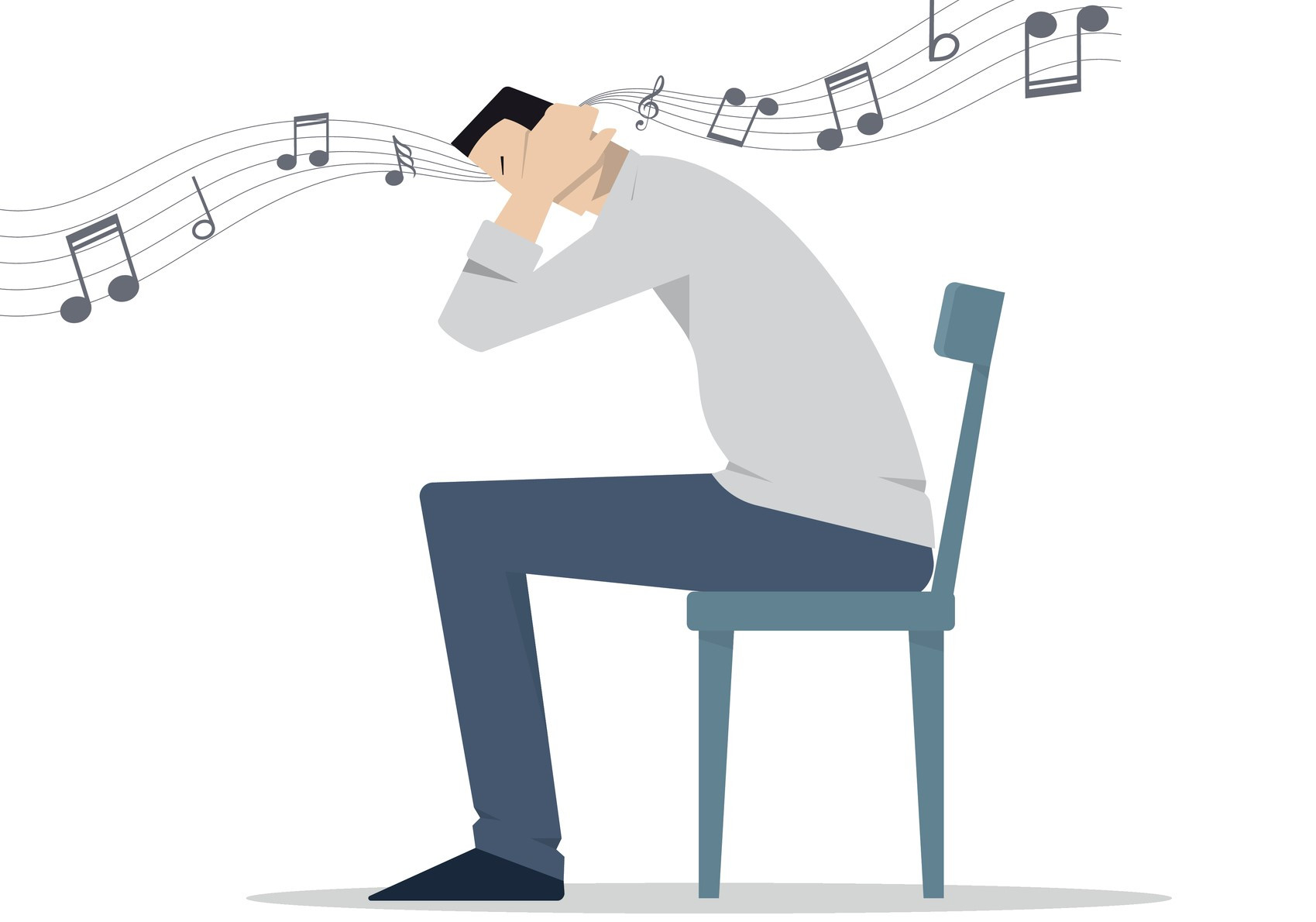
Why you can’t get a song out of your head and what to do about it
The experience of having an “earworm”—a song that’s stuck in your head—is extremely common. But why do they happen? And how do you get rid of one?
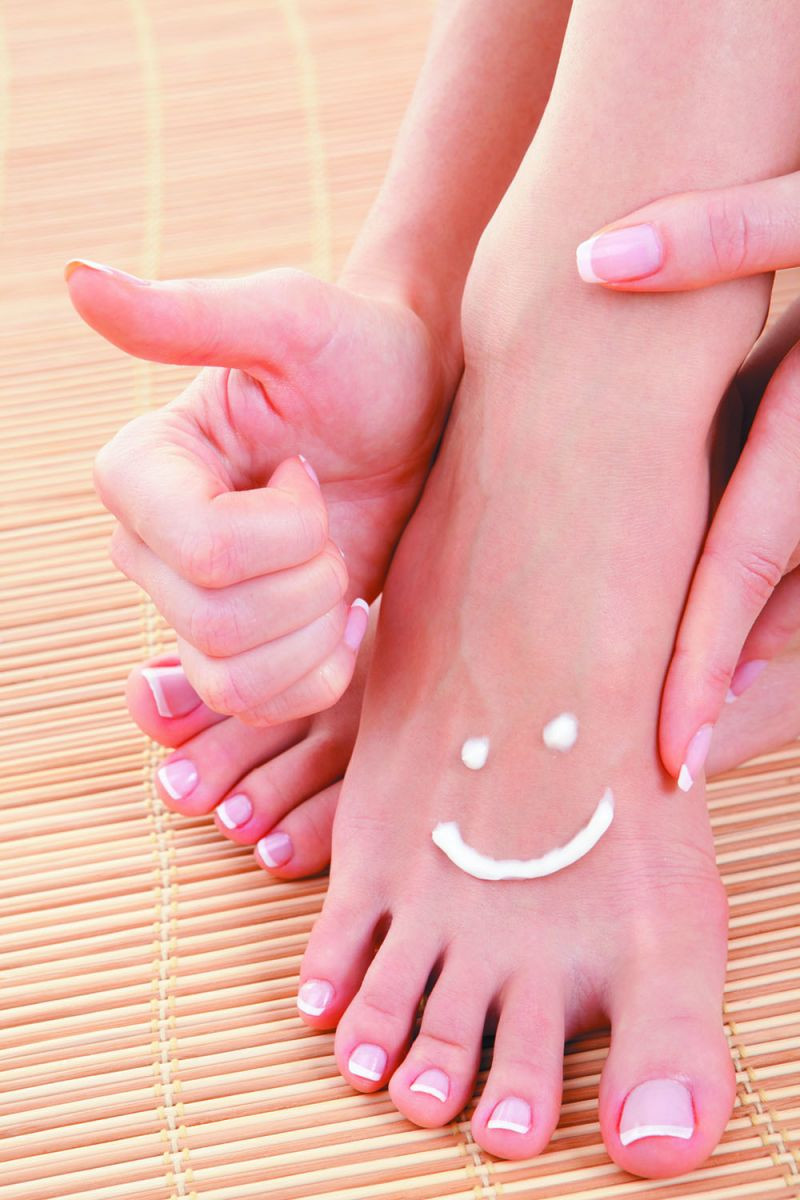
7 ways to safeguard your feet
Stay ahead of foot problems by inspecting your feet regularly, keeping them flexible, and wearing the right shoes.
Feet are the unsung heroes of mobility, and it's crucial to keep them healthy. Even minor problems with your feet — such as an ingrown toenail or a small cut — can leave you sidelined. "Breaches of the skin can quickly become problems, whether it's a scrape, ulcer, or blister that gets contaminated or becomes infected," says Dr. Christopher DiGiovanni, chief of foot and ankle surgery at Harvard-affiliated Massachusetts General Hospital.
Be proactive, and care for your feet the way you'd maintain any valuable equipment you rely on for mobility. Here are seven ideas to help.

Better balance: Activities to keep you on an even keel
Sports, walking, and stair climbing may boost balance and keep a stumble from turning into a bad fall.
When you want to improve your balance and reduce the risk of falls, you might turn to a physical therapist for an evaluation and special exercises. But sometimes other types of physical activity can do the job. "People are surprised at how adding just a little extra activity can make a big difference with their balance," says Joy Orpin, a physical therapist at Harvard-affiliated Massachusetts General Hospital.
Balance problems
Balance impairment may be linked to changes in vision or muscle strength, joint stiffness or pain, inner ear problems, or decreased sensation due to joint surgery, ankle sprains, or neuropathy (nerve damage that causes numbness or burning, especially in the feet). Other contributors to poor balance include a sedentary lifestyle or medication side effects.

Pulse power: Easy ways to make plant-based proteins a regular part of your diet
Beans, lentils, chickpeas, and other "pulses" are loaded with protein, fiber, and other nutrients.
Image: © mikafotostok/Thinkstock
Legumes are great sources of protein for those on a meat-free diet. Lately one branch of the legume family has been in the international spotlight. "Pulses" are legumes that are harvested for their dried seeds, such as chickpeas (garbanzo beans), lentils, and dried peas and beans. They're such an important protein source that the United Nations declared 2016 the International Year of the Pulses.
"When we as nutritionists talk about beans, most of them are pulses — kidney beans, navy beans, black beans, broad beans, lima beans, butter beans — there are quite a few," says registered dietitian Kathy McManus, director of the Department of Nutrition at Harvard-affiliated Brigham and Women's Hospital. By contrast, legumes such as soybeans, peanuts, peapods, and green beans don't count as pulses.

Harvard study: It’s not too late to start a healthy diet
News briefs
Image: © Jonathan Ross/Thinkstock
If you haven't been good about eating a healthy diet, take heart: A Harvard study published July 13, 2017, in The New England Journal of Medicine found that changing to one of three scientifically developed healthy eating programs was associated with longer life. The healthy diets included the Alternate Healthy Eating Index, the Alternate Mediterranean Diet, and the Dietary Approaches to Stop Hypertension (DASH) diet. Scientists looked at self-reported diet and health data from nearly 74,000 healthy men and women who significantly improved their diets and maintained them for 12 years. Scientists then looked at participants' risk of death for another 12 years. The results: people who improved their diet the most were up to 17% less likely to die, whereas those whose diets worsened the most were up to 14% more likely to die. This study strongly indicates that improving your diet, even if you start in middle age, can add years to your life — and vice versa. If you're re-evaluating your diet, check out the Harvard Special Health Report Healthy Eating for a Healthy Heart (www.health.harvard.edu/HEHH).
CoQ10: Should you take this popular supplement if you're on a statin?
Microplastics: A hidden health threat?
Oat vs. dairy milk: Nutrition, benefits, and downsides
What is tempeh? Benefits, nutrition, and how to use it
Healing after food poisoning
Children of centenarians may stay healthier and live longer too, study finds
Light exposure at night may raise risk for heart disease
A lumbar belt may help ease low back pain
Whole grains may improve several heart risk factors at once
Signs of pneumonia: Sometimes vague and unexpected
Free Healthbeat Signup
Get the latest in health news delivered to your inbox!
Sign Up
