

Fatty liver disease: Should you be tested?

Even a little exercise linked with lower stroke risk in people with afib

Testosterone therapy without evidence of deficiency may boost heart risk

Weight-loss drug may lower risk of heart attacks and infections

Migraine: How it's diagnosed and what that means

Tricep workouts you can do at home

Mindfulness practices to reduce stress and improve focus

Antihistamines may not offer meaningful relief from eczema symptoms

Overweight and taking blood pressure medications: Study finds it's a trend that's working

FDA approves first mRNA-based flu vaccine
Caregiving Archive
Articles

Healthy eating through the holidays

Wondering about COVID-19 vaccines for children 5 to 11?
While the FDA has authorized the Pfizer/BioNTech COVID-19 vaccine for children ages 5 to 11, and the CDC recommends it, parents are still likely to have questions about the vaccine and how COVID-19 affects younger children.

Menopause and memory: Know the facts
The number of people in the US with Alzheimer's disease is expected to climb drastically over the coming decades, and two-thirds of those people will be women. Understanding factors that happen earlier in life, and how they impact the brain later, is critical for developing strategies to prevent this public health crisis. Studies are examining the ways menopause affects the brain and how to maintain memory.
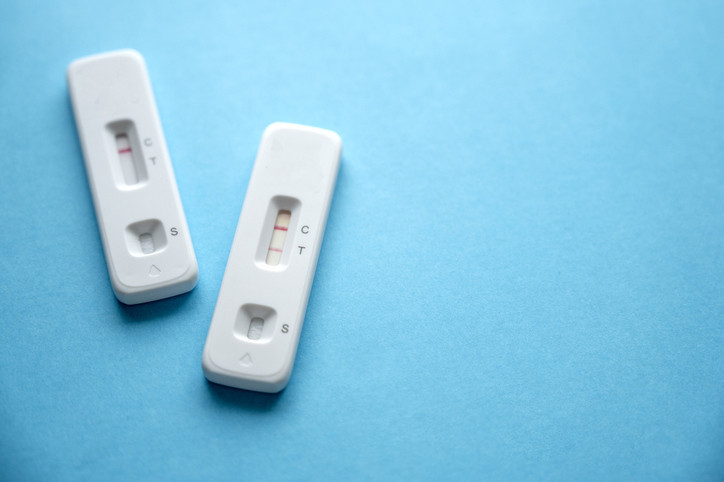
Preparing for the holidays? Don't forget rapid tests for COVID-19
As the holiday season approaches again, the desire to gather is tempered by lingering concerns about COVID-19. Rapid COVID-19 tests could provide some reassurance if testing is done as guests arrive at a host's home, though it's important to be aware of the limitations of this approach, including cost, availability, reliability, and how results are obtained.

Is BMI the best predictor of future health?
Body mass index (BMI) is determined by a combination of one's weight and height. A BMI of 18.5 to 24.9 represents a healthy weight, 25 to 29.9 is overweight, and 30 or greater is obese. BMI is a better measure of health than just weight, but it still has its flaws. It doesn't assess body fat as well in older folks as it does in younger adults. And it doesn't distinguish between fat that's in the belly from fat in other places, like the hips. For this reason, measurements comparing waist to hip size are also used.

Could high calcium intake damage my heart?
Past research hinted at a link between heart disease and a high intake of calcium from supplements, but more recent analyses have not found a connection between the two.

Going to sleep late at night associated with obesity, big bellies

Steps to stay safe when you push or pull an object

Is your medication making you lightheaded?

Are you too embarrassed to go to the doctor?
Fatty liver disease: Should you be tested?
Even a little exercise linked with lower stroke risk in people with afib
Testosterone therapy without evidence of deficiency may boost heart risk
Weight-loss drug may lower risk of heart attacks and infections
Migraine: How it's diagnosed and what that means
Tricep workouts you can do at home
Mindfulness practices to reduce stress and improve focus
Antihistamines may not offer meaningful relief from eczema symptoms
Overweight and taking blood pressure medications: Study finds it's a trend that's working
FDA approves first mRNA-based flu vaccine
Free Healthbeat Signup
Get the latest in health news delivered to your inbox!
Sign Up
