

Fatty liver disease: Should you be tested?

Even a little exercise linked with lower stroke risk in people with afib

Testosterone therapy without evidence of deficiency may boost heart risk

Weight-loss drug may lower risk of heart attacks and infections

Migraine: How it's diagnosed and what that means

Tricep workouts you can do at home

Mindfulness practices to reduce stress and improve focus

Antihistamines may not offer meaningful relief from eczema symptoms

Overweight and taking blood pressure medications: Study finds it's a trend that's working

FDA approves first mRNA-based flu vaccine
Caregiving Archive
Articles

Take a breather

Gifts that promote relaxation and resilience
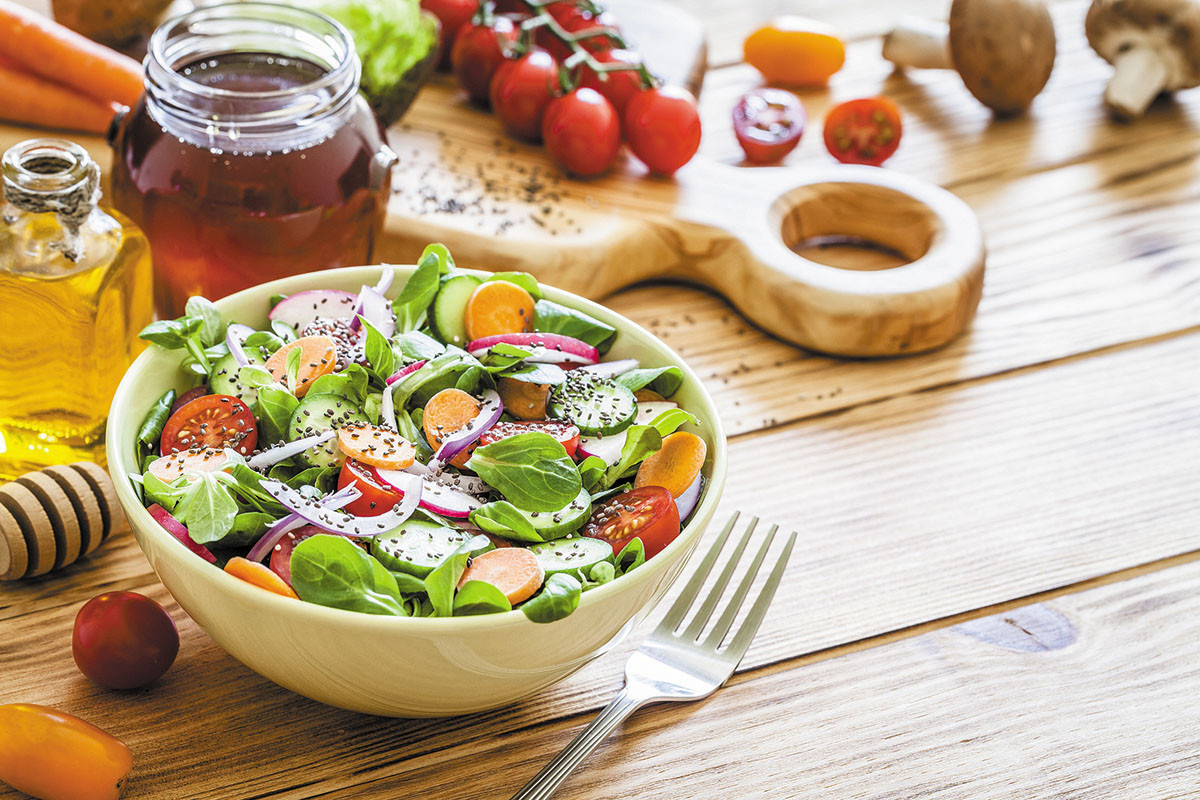
Harvard study: Healthy diet associated with lower COVID-19 risk and severity

Breakthrough: AI and better medicines
Many diseases occur because of defects in particular proteins—the workhorses of every cell. But developing a drug that targets a defective protein requires knowing that protein's shape. Protein shapes have always been difficult to predict. Then in July 2021, a company called DeepMind reported that its software predicted the structures for 98% of human proteins. By the end of 2021, DeepMind says it will publish the shape of 50% of the 280 million nonhuman proteins, up from 0.01%. These breakthroughs are expected to lead to new medicines.

What to do when your blood pressure won’t go down

Holiday health hazards

Thinking about COVID booster shots? Here's what to know
Now that a booster shot is recommended for some people who had COVID-19 vaccines, many of us have questions about the right timing, dose, and type of vaccine to seek.

What is neurodiversity?
The term neurodiversity conveys the idea that there is no single right way of thinking, learning, or behaving, and is often used in the context of autism spectrum disorder. A growing self-advocacy movement aims to increase acceptance and inclusion of all people while embracing neurological differences.

Thinking about holiday gatherings? Harvard Health experts weigh in
If you are gathering with family or friends during this holiday season there is still a lot of uncertainty around how to help keep everyone as safe as possible from COVID-19 illnesses and hospitalizations, particularly when many people will be traveling. Harvard Health Publishing faculty contributors share their own holiday plans and offer advice for safely enjoying the holidays this year.

Time to stock up on zinc?
As winter approaches, it's time to contend with rising rates of cold and flu. An analysis of studies suggests that over-the-counter zinc supplements may be one way to make cold and flu season a bit easier. But how strong is the evidence and what else could help?
Fatty liver disease: Should you be tested?
Even a little exercise linked with lower stroke risk in people with afib
Testosterone therapy without evidence of deficiency may boost heart risk
Weight-loss drug may lower risk of heart attacks and infections
Migraine: How it's diagnosed and what that means
Tricep workouts you can do at home
Mindfulness practices to reduce stress and improve focus
Antihistamines may not offer meaningful relief from eczema symptoms
Overweight and taking blood pressure medications: Study finds it's a trend that's working
FDA approves first mRNA-based flu vaccine
Free Healthbeat Signup
Get the latest in health news delivered to your inbox!
Sign Up
