

Fatty liver disease: Should you be tested?

Even a little exercise linked with lower stroke risk in people with afib

Testosterone therapy without evidence of deficiency may boost heart risk

Weight-loss drug may lower risk of heart attacks and infections

Migraine: How it's diagnosed and what that means

Tricep workouts you can do at home

Mindfulness practices to reduce stress and improve focus

Antihistamines may not offer meaningful relief from eczema symptoms

Overweight and taking blood pressure medications: Study finds it's a trend that's working

FDA approves first mRNA-based flu vaccine
Caregiving Archive
Articles

Breathing your way to better health

You don't say? Pointing a finger(nail) at your health

Live long and prosper

Master the stairs
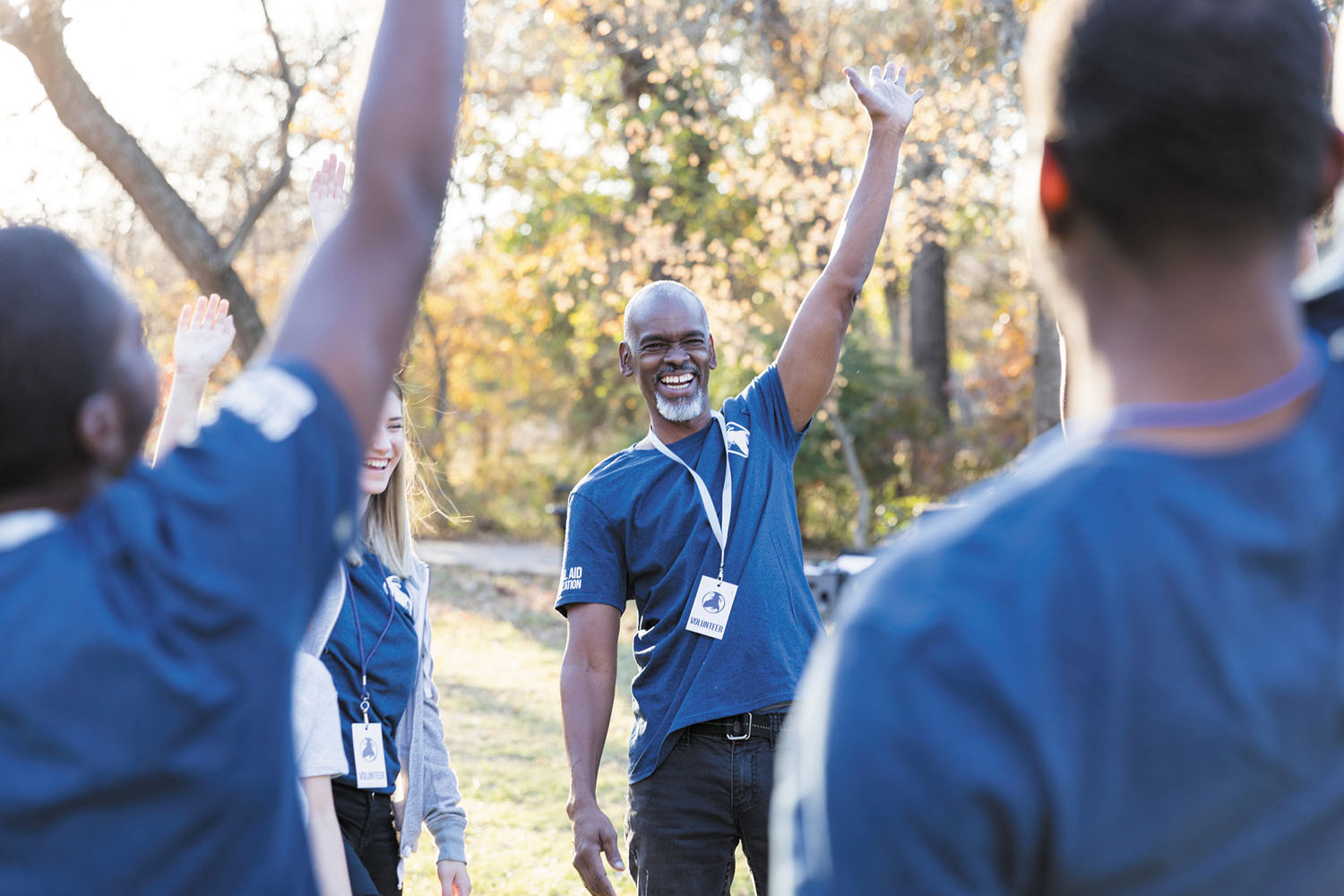
Health and happiness go hand in hand

Post-traumatic stress disorder: When fear strikes the heart

Can vaping help you quit smoking?
While considered less harmful than smoking tobacco, vaping is not risk-free, so the FDA's recent announcement authorizing sales of new vaping products was surprising. Some research suggests e-cigarettes may help some people quit or cut back on smoking, but there are many concerns about their known and potential health risks — especially for children and teens.

Wondering about COVID-19 vaccines if you're breastfeeding?
If you're breastfeeding, you may have questions about the COVID-19 vaccines. Experts agree that people who are breastfeeding should receive the vaccine to help them and their baby stay healthy. Get informed by consulting trusted health sources, and talking with your medical providers about your options.

Cancer survivors' sleep is affected long after treatment
According to a new study, many people who have survived cancer treatment experience poor sleep long after treatment has ended. These people also reported emotional distress, financial hardship, and concern that their cancer might return. Many sleep disorders can be treated successfully, but an accurate diagnosis is essential to choosing the correct treatment.

What happened to trusting medical experts?
In all aspects of our lives, we rely on the knowledge and advice of experts. So why are hundreds of thousands of people in the US rejecting advice on COVID-19 from well-respected health authorities, and embracing advice from those with dubious expertise –– and unproven and potentially dangerous remedies?
Fatty liver disease: Should you be tested?
Even a little exercise linked with lower stroke risk in people with afib
Testosterone therapy without evidence of deficiency may boost heart risk
Weight-loss drug may lower risk of heart attacks and infections
Migraine: How it's diagnosed and what that means
Tricep workouts you can do at home
Mindfulness practices to reduce stress and improve focus
Antihistamines may not offer meaningful relief from eczema symptoms
Overweight and taking blood pressure medications: Study finds it's a trend that's working
FDA approves first mRNA-based flu vaccine
Free Healthbeat Signup
Get the latest in health news delivered to your inbox!
Sign Up
