

CoQ10: Should you take this popular supplement if you're on a statin?

Microplastics: A hidden health threat?

Oat vs. dairy milk: Nutrition, benefits, and downsides

What is tempeh? Benefits, nutrition, and how to use it

Healing after food poisoning

Children of centenarians may stay healthier and live longer too, study finds

Light exposure at night may raise risk for heart disease

A lumbar belt may help ease low back pain

Whole grains may improve several heart risk factors at once

Signs of pneumonia: Sometimes vague and unexpected
Cancer Archive
Articles
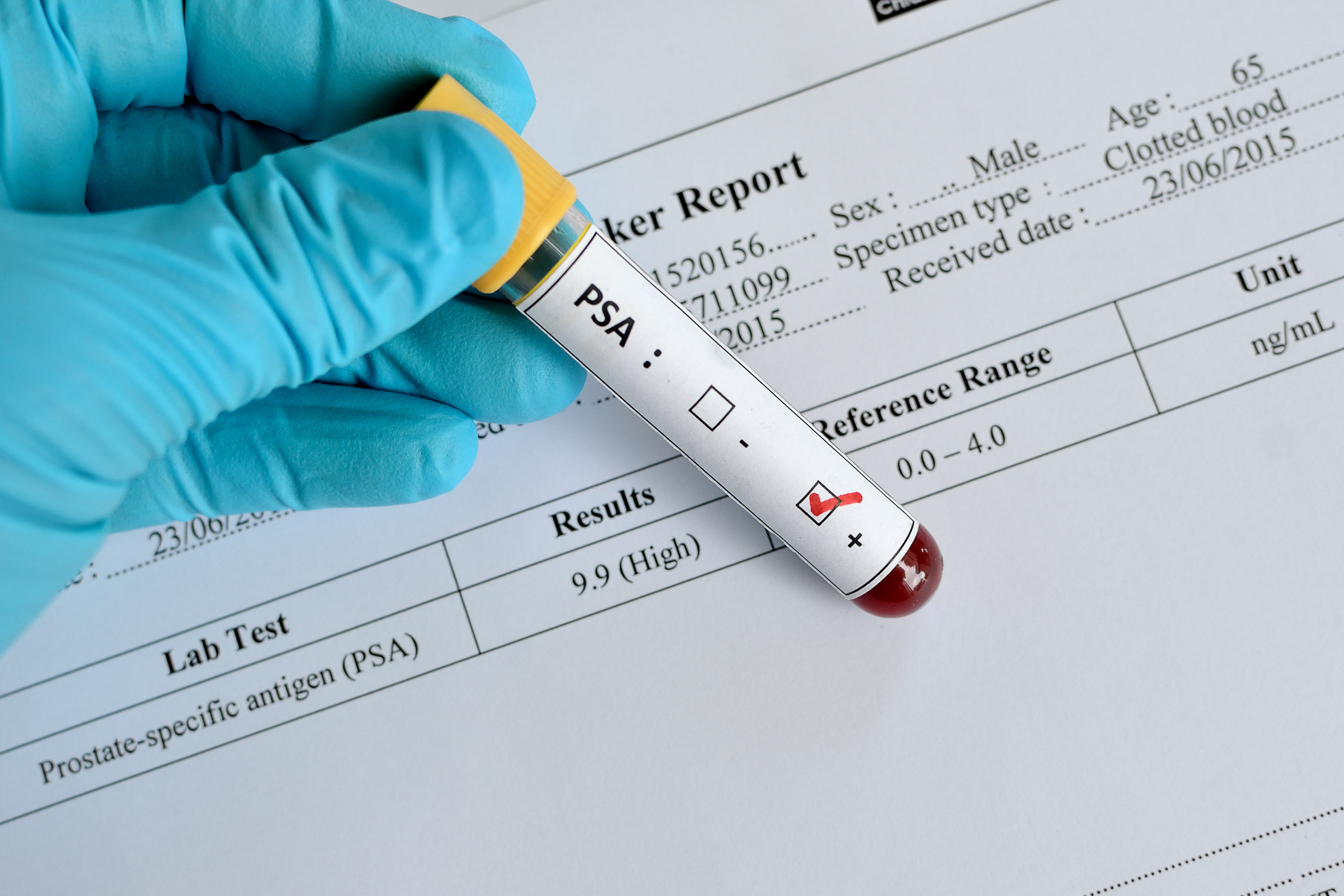

Many preventive mastectomies may be unnecessary
Women with early cancer in one breast may opt to remove the other, healthy breast because they overestimate their risk of a second cancer.

White wine linked to higher risk of certain melanomas
Data from more than 200,000 people indicates that the risk of developing melanoma increases by 13% for every glass of white wine consumed per day. Drinking beer, red wine, or liquor was not associated with increased risk.
Ask the doctor: Should I take a probiotic?
It’s unclear why, but it appears that people with psoriasis are more likely to also suffer from diabetes.
When You Visit Your Doctor - Chronic Lymphocytic Leukemia (CLL)
Chronic Lymphocytic Leukemia (CLL)
Questions to Discuss with Your Doctor:
- Have you had fevers, chills, fatigue, or weight loss?
- Have you had any recent infections?
- Do you have a cough?
- Do you have sinus congestion?
- Do you know when to seek medical attention for infections?
- Do your gums bleed when you brush your teeth?
- Have you had nosebleeds or easy bruising?
- Do you get short of breath with minimal exertion?
- Are you lightheaded?
- Have you been unusually tired?
- Have you had abdominal pain or swelling?
- Have you noticed swollen lymph nodes?
Your Doctor Might Examine the Following Body Structures or Functions:
- Lymph nodes (neck, axilla, groin)
- Heart
- Lungs
- Abdomen (for enlargement or tenderness of the liver or spleen)
Your Doctor Might Order the Following Lab Tests or Studies:
- Complete blood count
- Routine blood chemistries
- Immunoglobulin levels
- Blood test for flow cytometry
- Bone marrow biopsy.
When You Visit Your Doctor - Colonic Polyps
Colonic Polyps
Questions to Discuss with Your Doctor:
- Do you have a family history of colonic polyps?
- Do you have bleeding from the rectum or bloody stools?
- Do you frequently have rectal pain or the sensation of needing to have a bowel movement?
- Do you have anemia (low blood count)?
- Do you have a family history of colon cancer?
Your Doctor Might Examine the Following Body Structures or Functions:
- Abdominal exam
- Rectal exam
Your Doctor Might Order the Following Lab Tests or Studies:
- Stool testing for blood
- Complete blood count
- Sigmoidoscopy or colonoscopy, possibly with a biopsy or removal of a polyp (if one is found)
When You Visit Your Doctor - Gallstones
Gallstones
Questions to Discuss with Your Doctor:
- Do you have pain in the mid- or upper-right portion of your abdomen?
- Do fatty meals worsen the pain?
- Does the pain occur after eating?
- Do you have nausea, vomiting, or bloating?
- Does the pain ever go through to your back?
- Is the pain steady or intermittent?
- Have you had fevers?
- How long does it take for the pain to go away?
- Do you take any medications (for example, birth-control pills or hormone therapy)?
- Have you had any rapid weight loss?
- Have you noticed darkening of your urine or yellowing of the eyes?
Your Doctor Might Examine the Following Body Structures or Functions:
- Abdominal exam
Your Doctor Might Order the Following Lab Tests or Studies:
- Blood tests of liver function
- Complete blood count
- Abdominal ultrasound
- Cholescintigraphy (HIDA scan)
When You Visit Your Doctor - Gastroesophageal Reflux Disease (GERD)
Gastroesophageal Reflux Disease (GERD)
Questions to Discuss with Your Doctor:
- Do you get a burning sensation in your chest or throat after eating?
- Do you ever have a bitter or sour taste in your mouth?
- Do you ever have bloating or nausea after you eat?
- How often do you get these symptoms?
- What do you do to relieve the symptoms?
- Are the symptoms related to physical exertion?
- Are the symptoms worse when you are lying down or sitting up?
- Have you noticed any black stools?
- Do you have a persistent cough?
- Do you have a history of ulcer disease?
- Are you taking any medications, especially ones that can irritate the esophagus or stomach, such as aspirin, ibuprofen, naproxen or tetracycline?
- Do you drink alcohol or smoke?
- How soon after you eat at night do you go to bed?
- Have you tried any over-the-counter medications? If so, do they help?
Your Doctor Might Examine the Following Body Structures or Functions:
- Chest and lung exam
- Abdominal exam
Your Doctor Might Order the Following Lab Tests or Studies:
- Upper endoscopy (internal examination of the esophagus and stomach)
- pH probe (to assess the acid level in the esophagus and stomach)
- Manometry (to measure the pressure of the sphincter between the esophagus and the stomach)
- Stool testing for blood
- Complete blood cell count
When You Visit Your Doctor - After Hodgkin's Disease Treatment
Hodgkin's Disease (after the disease has been treated)
Questions to Discuss with Your Doctor:
- Have you had fevers, heavy sweating at night, weight loss, itchy skin, or swollen lymph nodes?
- Do you have pain in any of your bones?
- Do you have a cough?
- Are you fatigued?
- Do you get lightheaded?
- Do you bruise easily or have nosebleeds?
- Do your gums bleed when you brush your teeth?
- Have you had any recent infections?
- Do you have a cough?
- Do you have sinus congestion?
- Do you have nasal discharge?
- Do you know when to seek medical attention for signs of infection?
- Do you know that you still need to practice birth control (both men and women)?
- Infertility is uncommon with newer chemotherapy regimens. If you are a woman and have undergone early menopause, have you considered hormone replacement therapy?
- Are you short of breath at rest or with minimal exertion?
- Do you get chest pain or pressure with exertion?
- Do you have swelling in your legs?
- Do you know that chemotherapy and radiation can increase your risk of developing certain other cancers?
- Are you up-to-date on all of your cancer screening tests?
- If you are a woman, have you discussed the need for regular mammograms and breast examinations with your doctor?
- Are you gaining weight?
- Are you constipated?
- Are you always cold?
- Do you have dry skin?
Your Doctor Might Examine the Following Body Structures or Functions:
- Neck veins
- Heart
- Lungs
- Abdomen (for enlargement or tenderness of the liver or spleen)
- Bones and spine (looking for areas of tenderness)
- Skin (looking for skin cancers)
- Lymph Nodes (neck, axilla, elbow, groin)
Your Doctor Might Order the Following Lab Tests or Studies:
- Blood tests for complete blood counts, kidney and liver function tests
- CT scans of the chest and abdomen
CoQ10: Should you take this popular supplement if you're on a statin?
Microplastics: A hidden health threat?
Oat vs. dairy milk: Nutrition, benefits, and downsides
What is tempeh? Benefits, nutrition, and how to use it
Healing after food poisoning
Children of centenarians may stay healthier and live longer too, study finds
Light exposure at night may raise risk for heart disease
A lumbar belt may help ease low back pain
Whole grains may improve several heart risk factors at once
Signs of pneumonia: Sometimes vague and unexpected
Free Healthbeat Signup
Get the latest in health news delivered to your inbox!
Sign Up
