

CoQ10: Should you take this popular supplement if you're on a statin?

Microplastics: A hidden health threat?

Oat vs. dairy milk: Nutrition, benefits, and downsides

What is tempeh? Benefits, nutrition, and how to use it

Healing after food poisoning

Children of centenarians may stay healthier and live longer too, study finds

Light exposure at night may raise risk for heart disease

A lumbar belt may help ease low back pain

Whole grains may improve several heart risk factors at once

Signs of pneumonia: Sometimes vague and unexpected
Cancer Archive
Articles


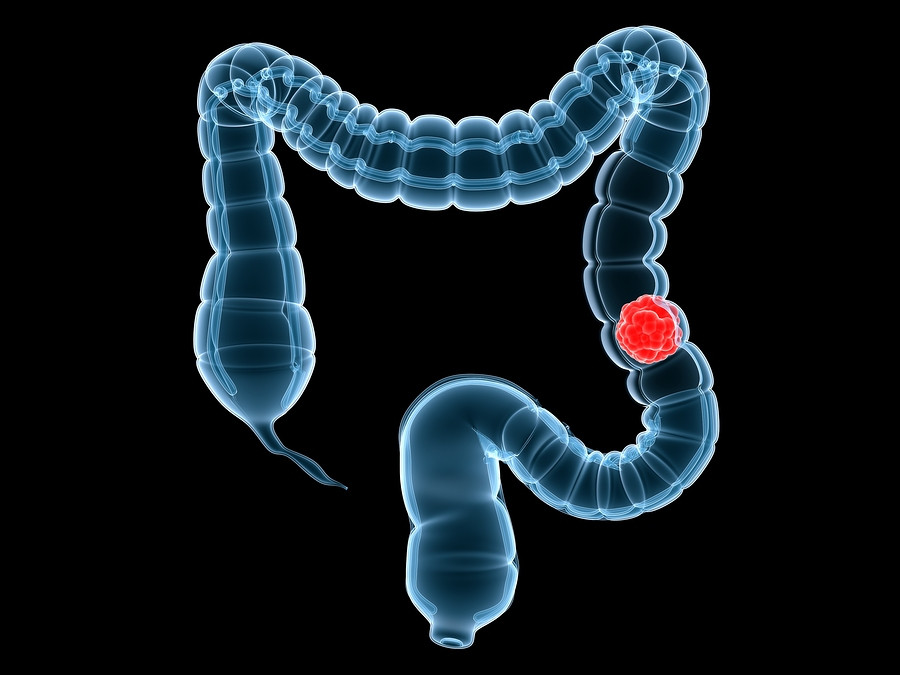
A new look at colon cancer screening
Don't be intimidated about screening tests. The latest guidelines suggest you can choose from multiple strategies.
Image: Bigstock
Colon cancer continues to be the country's second leading cause of cancer-related deaths and the third most common cancer in men, according to the CDC.
It almost always develops from precancerous polyps (abnormal growths). Screening tests, which are recommended for men ages 50 to 75, help find and sometimes aid removal of polyps before they become cancer. (Men older than 75 may still benefit, depending on their health.)

Adult asthma linked to higher risk of heart disease
People who develop asthma as adults may have a higher risk of developing heart disease than those without asthma. Adult-onset asthma is often triggered by air pollution and tends to be harder to control than asthma that starts during childhood.




Cancer and diet: What’s the connection?
Your dietary habits can promote cancer or protect against it.
Image: Udra/ Thinkstock
The link between cancer and diet is just as mysterious as the disease itself. Much research has pointed toward certain foods and nutrients that may help prevent—or, conversely, contribute to—certain types of cancer.
While there are many factors you can't change that increase your cancer risk, such as genetics and environment, there are others you can control. In fact, estimates suggest that less than 30% of a person's lifetime risk of getting cancer results from uncontrollable factors. The rest you have the power to change, including your diet.

Adapting to life after cancer
Once you've completed treatment, adjusting to a "new normal" can be challenging.
Image: RuslaGuzov/ Thinkstock
Completing cancer therapy can feel like a graduation. You've done some hard work, it's paid off, and you may be ready to celebrate. But saying goodbye to treatment can arouse many of the emotions and uncertainties associated with beginning a new chapter in life.
Dr. Larissa Nekhlyudov is a general internist who works with cancer survivors at two Harvard affiliates, Brigham and Women's Hospital and Dana-Farber Cancer Institute. She acknowledges that cancer survivors have a lot to deal with. "Once you've had your final chemotherapy infusion or swallowed the last pill, you may find yourself facing a new set of challenges—monitoring yourself for signs of recurrence, getting recommended follow-up care, adjusting to the long-term effects of treatment, psychologically adapting to normal life, and working to stay in good health," Dr. Nekhlyudov says.
CoQ10: Should you take this popular supplement if you're on a statin?
Microplastics: A hidden health threat?
Oat vs. dairy milk: Nutrition, benefits, and downsides
What is tempeh? Benefits, nutrition, and how to use it
Healing after food poisoning
Children of centenarians may stay healthier and live longer too, study finds
Light exposure at night may raise risk for heart disease
A lumbar belt may help ease low back pain
Whole grains may improve several heart risk factors at once
Signs of pneumonia: Sometimes vague and unexpected
Free Healthbeat Signup
Get the latest in health news delivered to your inbox!
Sign Up
