

CoQ10: Should you take this popular supplement if you're on a statin?

Microplastics: A hidden health threat?

Oat vs. dairy milk: Nutrition, benefits, and downsides

What is tempeh? Benefits, nutrition, and how to use it

Healing after food poisoning

Children of centenarians may stay healthier and live longer too, study finds

Light exposure at night may raise risk for heart disease

A lumbar belt may help ease low back pain

Whole grains may improve several heart risk factors at once

Signs of pneumonia: Sometimes vague and unexpected
Cancer Archive
Articles
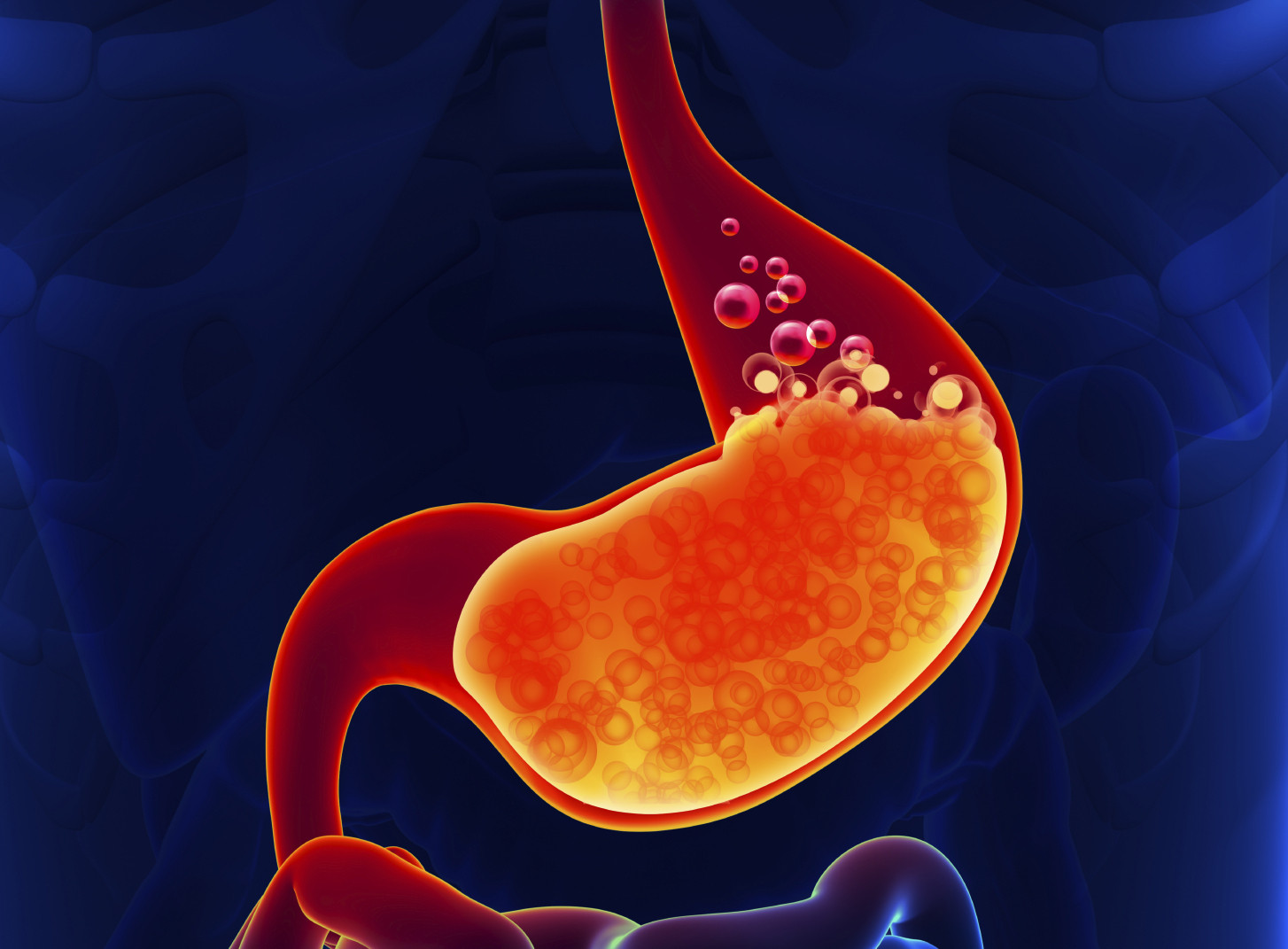
8 ways to quell the fire of heartburn
Heartburn is a common problem. It's caused by the backwash of stomach acid into the esophagus, the tube connecting the mouth and stomach. This is formally called gastroesophageal reflux disease (GERD). More than just a minor discomfort, heartburn can significantly reduce quality of life. "Heartburn can cause damage to the esophagus and even increase the risk of cancer if ignored and untreated," says Dr. William Kormos, editor in chief of Harvard Men's Health Watch and a primary care physician at Massachusetts General Hospital.
These eight steps can help ease heartburn.
- Eat in a heartburn-smart way. Large meals put pressure on the muscle that normally helps keep stomach contents from backing up into the esophagus. The more you eat, the longer it takes for the stomach to empty, which contributes to reflux. Try smaller, more frequent meals — and don't wolf down your food.
- Avoid late-night eating. Having a meal or snack within three hours of lying down to sleep can worsen reflux, causing heartburn. Leave enough time for the stomach to clear out.
- Don't exercise right after meals. Give your stomach time to empty; wait a couple of hours. But don't just lie down either, which will worsen reflux.
- Sleep on an incline. Raising your torso up a bit with a wedge-shaped cushion may ease nighttime heartburn. Wedges are available from medical supply companies and some home goods stores. Don't just prop your head and shoulders up with regular pillows — doing so can actually increase pressure on the stomach by curling you up at the waist.
- Identify and avoid foods associated with heartburn. Common offenders include fatty foods, spicy foods, tomatoes, garlic, milk, coffee, tea, cola, peppermint, and chocolate. Carbonated beverages cause belching, which also causes reflux.
- Chew sugarless gum after a meal. Chewing gum promotes salivation, which helps neutralize acid, soothes the esophagus, and washes acid back down to the stomach. But avoid peppermint-flavored gum, which may trigger heartburn more than other flavors.
- Rule out medication side effects. Ask your doctor or pharmacist whether any of the medications you take might cause pain resembling heartburn or contribute to reflux.
- Lose weight if you need to. Being overweight puts more pressure on the stomach and pushes stomach contents into the esophagus. The tight-fitting clothing and belts that come with weight gain may also be a factor.
For more on relieving heartburn and treating a sensitive gut, purchase The Sensitive Gut by Harvard Medical School.

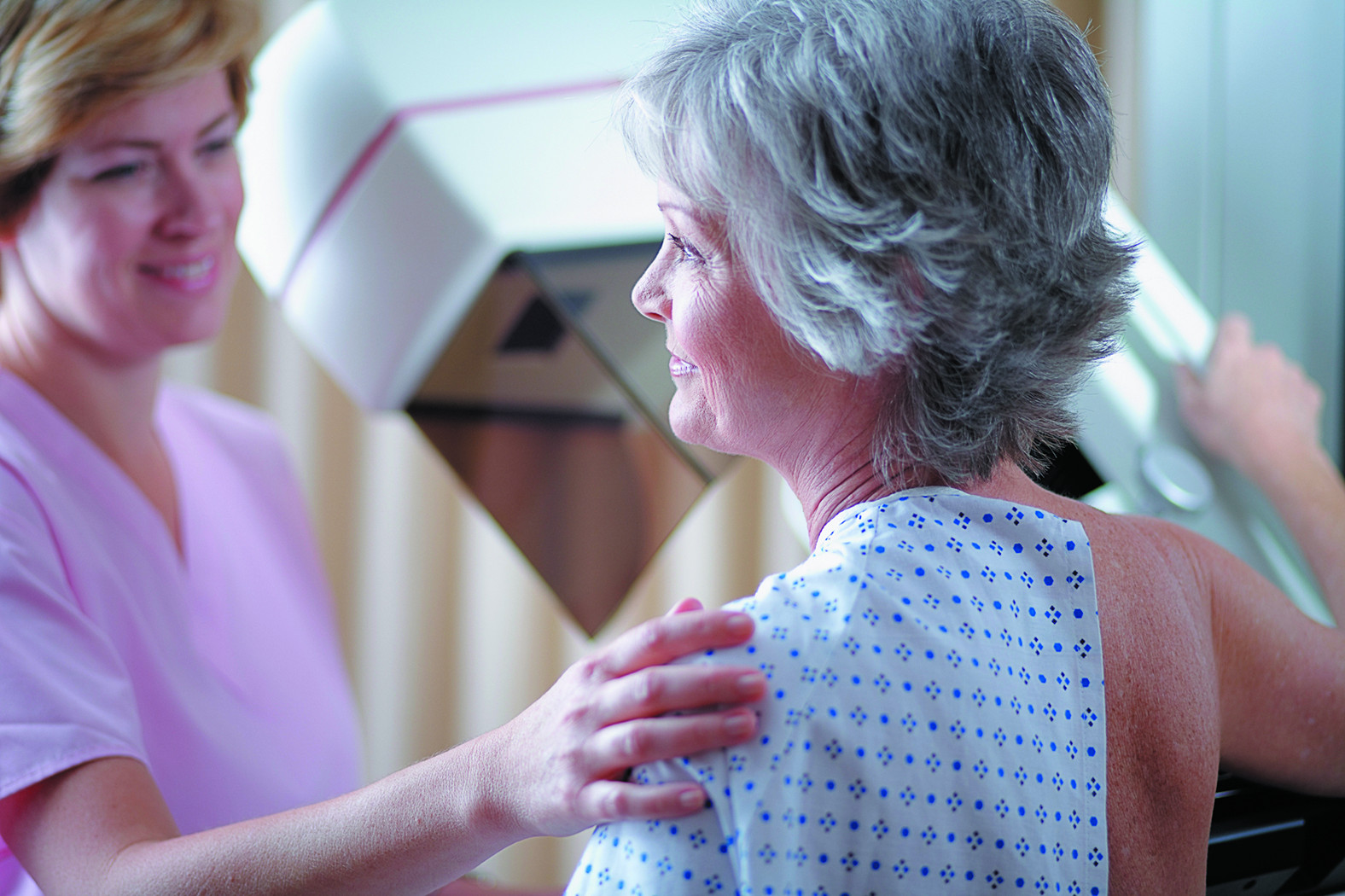
Do you really need that cancer screening?
Image: Thinkstock
A research letter published online Jan. 21, 2016, in JAMA Oncology suggests that many older adults are getting unnecessary cancer screenings. Researchers looked at questionnaire answers from about 150,000 seniors (ages 65 or older) across the country, and found that about half had received prostate-specific antigen (PSA) testing or mammography in the past year. But a third of those screened did not have a 10-year life expectancy, a major guideline for screening. Unnecessary screening rates varied by state—for example, 11% in Colorado and about 20% in Georgia. "Undergoing a screening test may actually cause more harm than good, especially with older patients or those with significant medical conditions," says Dr. Marc Garnick, an oncologist at Beth Israel Deaconess Medical Center and editor in chief of Harvard's Annual Report on Prostate Diseases. So talk to your doctor about the guidelines. Both the American Cancer Society (ACS) and the U.S. Preventive Services Task Force (USPSTF) recommend routine mammograms every two years for women ages 55 to 74. The ACS does not recommend mammograms in this age group if a woman has a life expectancy of less than 10 years.
For all men, the USPSTF recommends against routine PSA testing. The ACS suggests that men 50 or older (at average risk for prostate cancer) make the decision about screening with their doctor, but only if they have a life expectancy of at least 10 years, and only if they have been advised about the uncertainties, risks, and potential benefits of prostate cancer screening.

Cancer survivors may face cardiovascular complications
Even the newer, targeted cancer therapies may harm the heart.
Image: Bigstock
About 14 million people in the United States are living with cancer, a number that reflects the steady rise in cancer survivorship in recent decades. In 1980, only about half of people with cancer lived five years after diagnosis. Today, five-year cancer survival rates are greater than 70%.
Unfortunately, many cancer-suppressing treatments can have undesirable effects on the heart and blood vessels. The increasing awareness of these effects—coupled with the surge of older people being diagnosed with and surviving cancer—has spurred a new specialty known as cardio-oncology. Experts in this burgeoning field focus on promoting heart health in people with cancer, both during and after their treatment.

Breast cancer: The good news
Personalizing breast cancer diagnosis and treatment has resulted in therapies that are more effective and less toxic than in the past.
Image: Thinkstock
The federal government's "Cancer Moonshot," with the expressed goal of curing cancer, is getting a lot of press lately. While the initiative's stated goal may be overly ambitious because cancer is actually 200 or more individual diseases, it promises to increase research funding and speed the availability of new treatments.
Amid the excitement, it's easy to overlook the fact that there has already been great progress in treating many cancers. Patients are enduring fewer side effects and living longer. Breast cancer is a prime example. "There's no question that breast cancer treatment is improving," says Dr. Ann Partridge, senior physician at the Susan F. Smith Center for Women's Cancers at Harvard-affiliated Dana-Farber Cancer Institute.
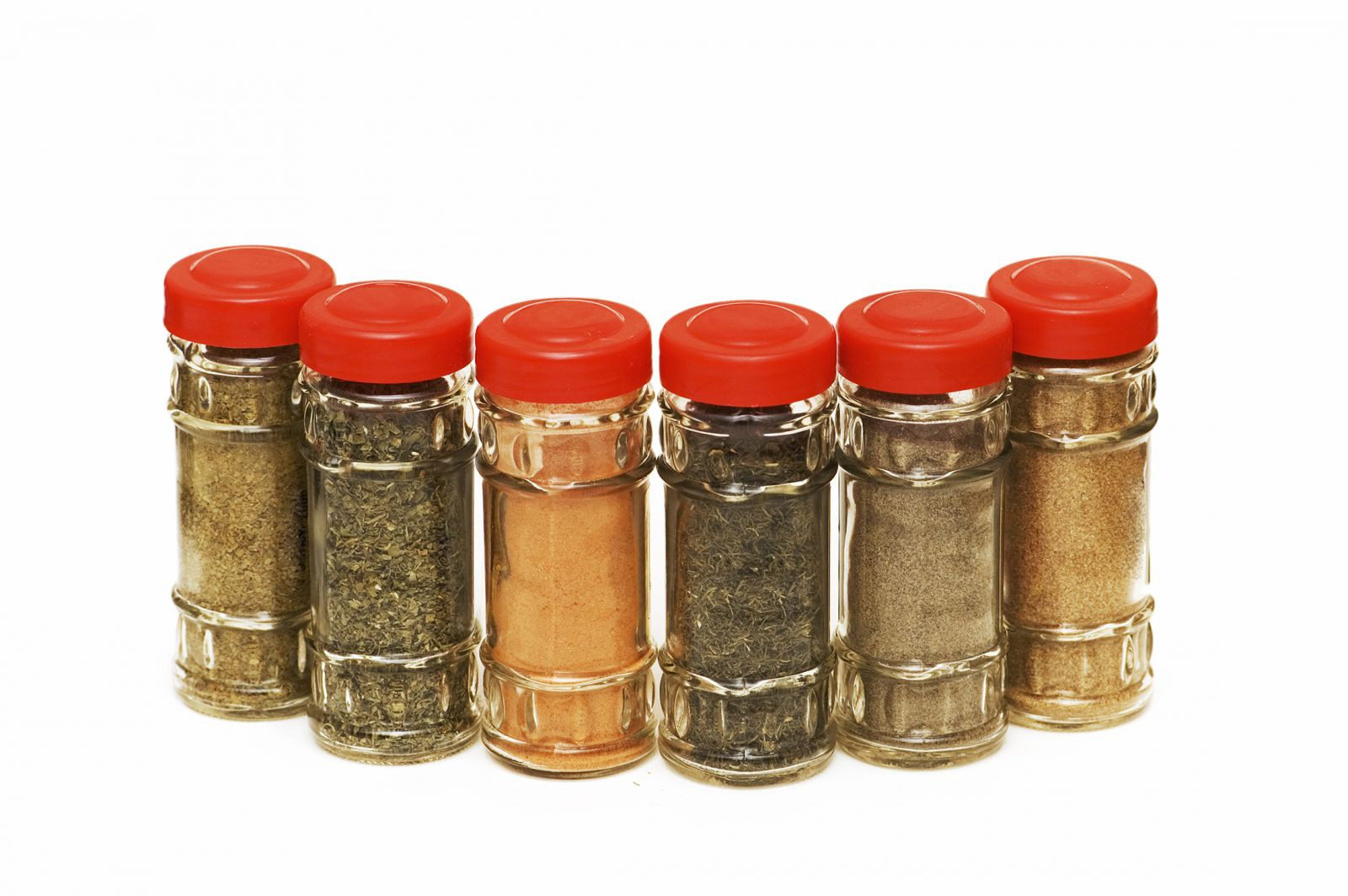
Can everyday spices make you healthier?
Turmeric, coriander, and cumin may boost your health and breathe new life into tired dishes.
The health benefits of foods such as berries, broccoli, and salmon are well known. But your kitchen's spice rack may also hold some secret weapons against conditions such as inflammation, heart disease, cancer, and more. "Spices are underused, but it would be very easy to take advantage of them and improve health," says Dr. Lipi Roy, an internal medicine physician at Harvard-affiliated Massachusetts General Hospital.
There are few large randomized trials that demonstrate spices' health effects. But many studies in animals suggest that several spices offer benefits. So instead of flavoring your food with salt and butter, which can contribute to high blood pressure and heart disease, consider using the following spices.

Ask the doctor: Concern about a now "normal" PSA
Ask the doctor
Q: I am 68 years old, and recently my PSA level (which was normal before) increased to 5.2 nanograms per milliliter (ng/ml). My doctor repeated the test one month later, and it was normal again at 3.3 ng/ml. Should I still be concerned?
A: One of the reasons that routine PSA testing is so controversial is the inability of the test to distinguish men with prostate cancer from those without it. A common cutoff is 4 ng/ml, but this is hardly a black-and-white answer. In fact, 30% of men with a PSA result between 4 and 10 have cancer. (The remaining 70% have benign causes, like an enlarged prostate.) In men with a "normal" PSA in the 2-to-4 range, 20% have cancer. So the risk is still present.

How music can help you heal
Music therapy can calm anxiety, ease pain, and provide a pleasant diversion during chemotherapy or a hospital stay.
It's almost impossible to find someone who doesn't feel a strong connection to music. Even if you can't carry a tune or play an instrument, you can probably reel off a list of songs that evoke happy memories and raise your spirits. Surgeons have long played their favorite music to relieve stress in the operating room, and extending music to patients has been linked to improved surgical outcomes. In the past few decades, music therapy has played an increasing role in all facets of healing.
What is music therapy?
Music therapy is a burgeoning field. People who become certified music therapists are usually accomplished musicians who have deep knowledge of how music can evoke emotional responses to relax or stimulate people or help them heal. They combine this knowledge with their familiarity with a wide variety of musical styles to find the specific kind that can get you through a challenging physical rehab session or guide you into meditation. And they can find that music in your favorite genre, be it electropop or grand opera.

The empowering potential of end-of-life care
There’s almost always something we can do to improve our health and well-being — even at the end of our lives. Palliative care is designed to improve the quality of life for people with life-threatening illnesses and their families by keeping a person comfortable and making sure his or her values and preferences guide the medical team’s actions. For this reason, good communication with your care team — and your loved ones — is essential, even before you or a loved one has developed a serious illness.
CoQ10: Should you take this popular supplement if you're on a statin?
Microplastics: A hidden health threat?
Oat vs. dairy milk: Nutrition, benefits, and downsides
What is tempeh? Benefits, nutrition, and how to use it
Healing after food poisoning
Children of centenarians may stay healthier and live longer too, study finds
Light exposure at night may raise risk for heart disease
A lumbar belt may help ease low back pain
Whole grains may improve several heart risk factors at once
Signs of pneumonia: Sometimes vague and unexpected
Free Healthbeat Signup
Get the latest in health news delivered to your inbox!
Sign Up
