

CoQ10: Should you take this popular supplement if you're on a statin?

Microplastics: A hidden health threat?

Oat vs. dairy milk: Nutrition, benefits, and downsides

What is tempeh? Benefits, nutrition, and how to use it

Healing after food poisoning

Children of centenarians may stay healthier and live longer too, study finds

Light exposure at night may raise risk for heart disease

A lumbar belt may help ease low back pain

Whole grains may improve several heart risk factors at once

Signs of pneumonia: Sometimes vague and unexpected
Cancer Archive
Articles

Is a heartburn drug hurting your health?
Long-term risks are associated with proton-pump inhibitors, but there are other options for treating acid reflux.
Image: Eranicle/ Thinkstock
Proton-pump inhibitors (PPIs), which reduce the amount of acid produced in the stomach, are so effective at treating heartburn and ulcers that they've been among the world's top-selling drugs for 25 years. Initially available only by prescription, PPIs, which include omeprazole (Prilosec), lansoprazole (Prevacid), and esomeprazole (Nexium), have been sold over the counter for several years. However, now that millions of people are taking PPIs, the drugs have been linked to an increasing number of health risks, such as fractures, kidney problems, vitamin B12 deficiency, low magnesium, and—most recently—dementia and heart attack.
"These studies—especially those suggesting a relationship to dementia and heart attack—are concerning," says Dr. Jacqueline Wolf, a gastroenterologist and associate professor of medicine at Harvard Medical School and author of A Woman's Guide to a Healthy Stomach: Taking Control of Your Digestive Health.

Beverage temperature tied to cancer risk
Beverages consumed at temperatures above 150° F may contribute to esophageal cancer.

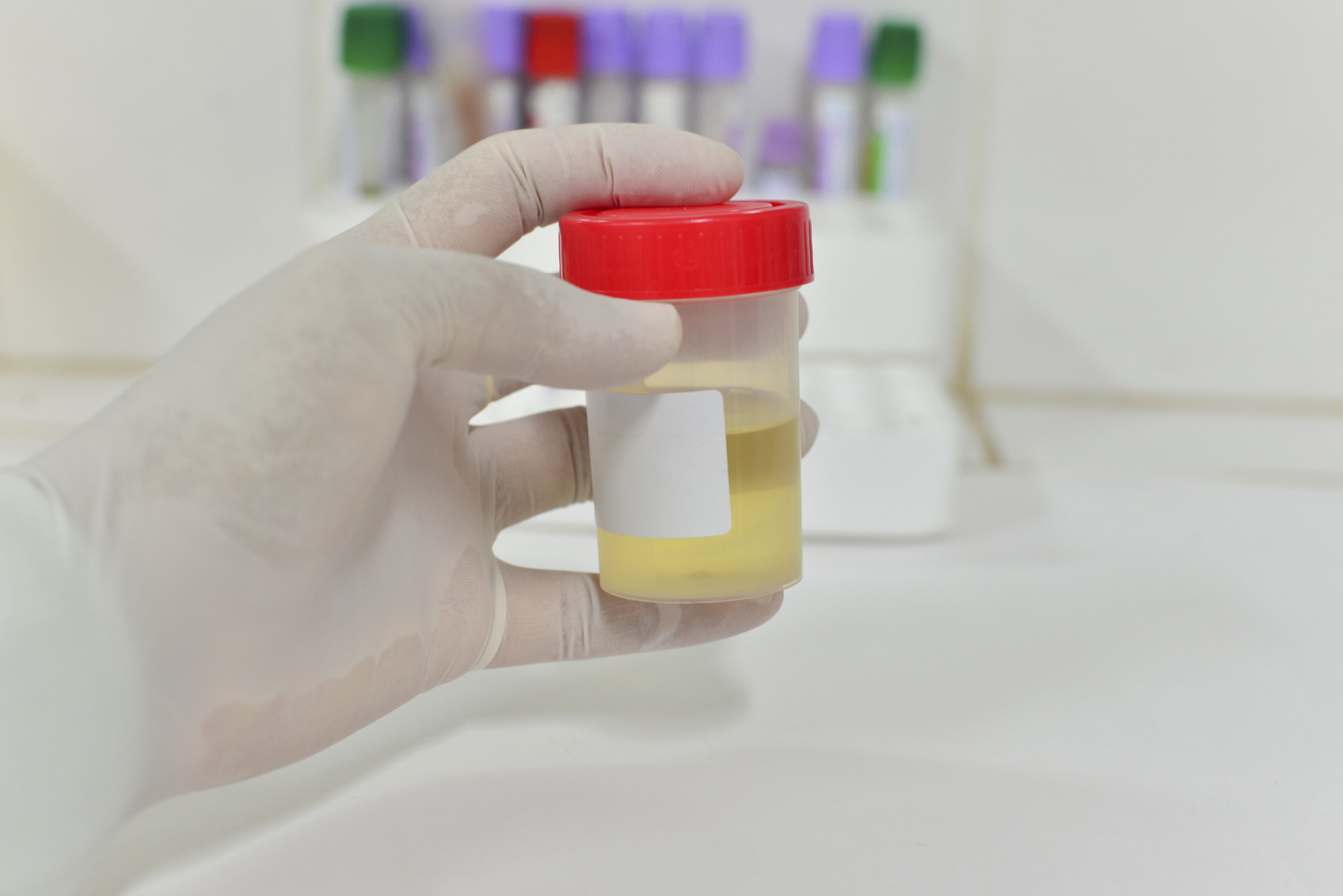
New urine test predicts high-grade prostate cancer
Researchers believe that a non-invasive screening test that can identify genetic markers for high-grade prostate cancer in urine may eventually reduce the number of prostate biopsies needed. However, experts also caution that while the number of non-invasive tests for prostate cancer diagnosis is growing, these are still early days in their development.

A warning about heartburn medications that contain aspirin
The FDA is warning that over-the-counter antacids with aspirin in them can cause stomach bleeding in rare cases.
Gum disease may signal warning for pancreatic cancer
Research has found that people with high levels of the oral bacteria Porphyromonas gingivalis had a 59% greater risk of developing pancreatic cancer. It is too early to say whether this specific bacterium directly contributes to the disease. However, one theory is that since inflammation is related to cancer, the bacteria could cause inflammation in the pancreas. Another possibility is the bacteria are simply a marker for cancer-causing inflammation.

E-cigarettes: Good news, bad news
While e-cigarettes do not produce the tar or toxic gases found in cigarette smoke, this doesn’t make them a healthy option. The e-liquid found in e-cigarettes still contains highly addictive nicotine that also increases your risk of insulin resistance and type 2 diabetes. Nicotine also increases the risk of addiction to other drugs and may impair brain development. Rather than rely on the perceived benefits of e-cigarettes, people should avoid smoking altogether.

New blood test for colon cancer screening: Questions remain
In April, the U.S. Food and Drug Administration (FDA) approved a new screening test for colon cancer, making it the first blood-based test for this type of cancer. While this test does make it more convenient for people to get screened for colon cancer, it is also less exact than the current screening methods. It is important to discuss your risk factors and screening options with your doctor.

Attack of the gallstones
They affect more women, but men still are at risk.
Image: iStock
Most people never think about gallstones—that is until they experience the severe, gut-piercing pain of a gallstone attack. "These often strike after eating, especially a high-fat or high-cholesterol meal, and can last about 30 minutes to two or more hours," says Dr. William Brugge, past director of gastrointestinal endoscopy at Harvard-affiliated Massachusetts General Hospital.
The attacks often begin in the upper-right side of the abdomen and may spread to the back, between the shoulder blades, and under the right shoulder. Nausea or vomiting may also occur.

Does regular exercise reduce cancer risk?
It appears people with the highest levels of physical activity have lower rates of cancer of the esophagus, lung, kidney, colon, head and neck, rectum, bladder and breast, compared with people with the lowest levels of physical activity.
CoQ10: Should you take this popular supplement if you're on a statin?
Microplastics: A hidden health threat?
Oat vs. dairy milk: Nutrition, benefits, and downsides
What is tempeh? Benefits, nutrition, and how to use it
Healing after food poisoning
Children of centenarians may stay healthier and live longer too, study finds
Light exposure at night may raise risk for heart disease
A lumbar belt may help ease low back pain
Whole grains may improve several heart risk factors at once
Signs of pneumonia: Sometimes vague and unexpected
Free Healthbeat Signup
Get the latest in health news delivered to your inbox!
Sign Up
