

CoQ10: Should you take this popular supplement if you're on a statin?

Microplastics: A hidden health threat?

Oat vs. dairy milk: Nutrition, benefits, and downsides

What is tempeh? Benefits, nutrition, and how to use it

Healing after food poisoning

Children of centenarians may stay healthier and live longer too, study finds

Light exposure at night may raise risk for heart disease

A lumbar belt may help ease low back pain

Whole grains may improve several heart risk factors at once

Signs of pneumonia: Sometimes vague and unexpected
Cancer Archive
Articles

Which is best for optimal sun protection — sprays or lotions?
On call
Q. I have a history of skin cancer, so I am careful with my sunscreen application. I recently heard that I should avoid spray sunscreens. Is that true?
A. Sunscreen use is highly recommended to help prevent skin damage from sun exposure. Spray sunscreens are popular because they are easy to apply and help cover hard-to-reach areas like the back and shoulders. However, they do raise a few concerns. One is the chance of inhaling some of the sunscreen ingredients or its propellant. The health risk from this is uncertain, but it may trigger asthma in susceptible men. The FDA has not specifically determined the health risks of inhaling sunscreen sprays, but recently advised not to use them near your face.
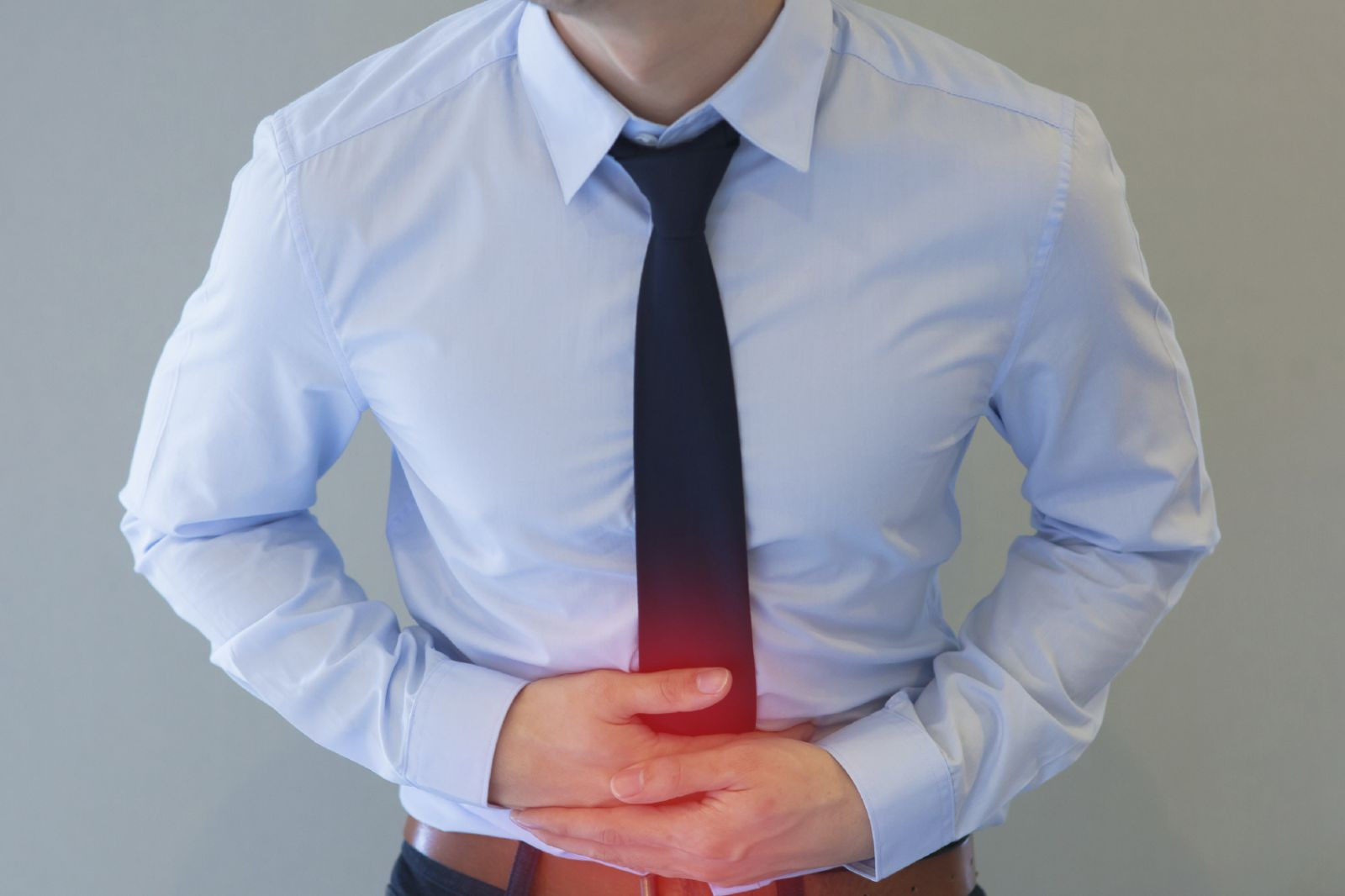
When does long-term acid reflux become a serious issue?
On call
Q. I have had acid reflux for many years, but it is well controlled with a proton-pump inhibitor. However, I am concerned about long-term damage from my reflux, even though I feel fine now. Should I have an upper endoscopy to look for possible damage?
A. Long-term acid reflux can damage the esophagus and may lead to a condition known as Barrett's esophagus, which is a precursor to esophageal cancer. Barrett's affects about 3% to 10% of older men, but within this group the risk of developing esophageal cancer is only about four in every 1,000 cases. Over all, men with Barrett's are more likely to die from another cause.
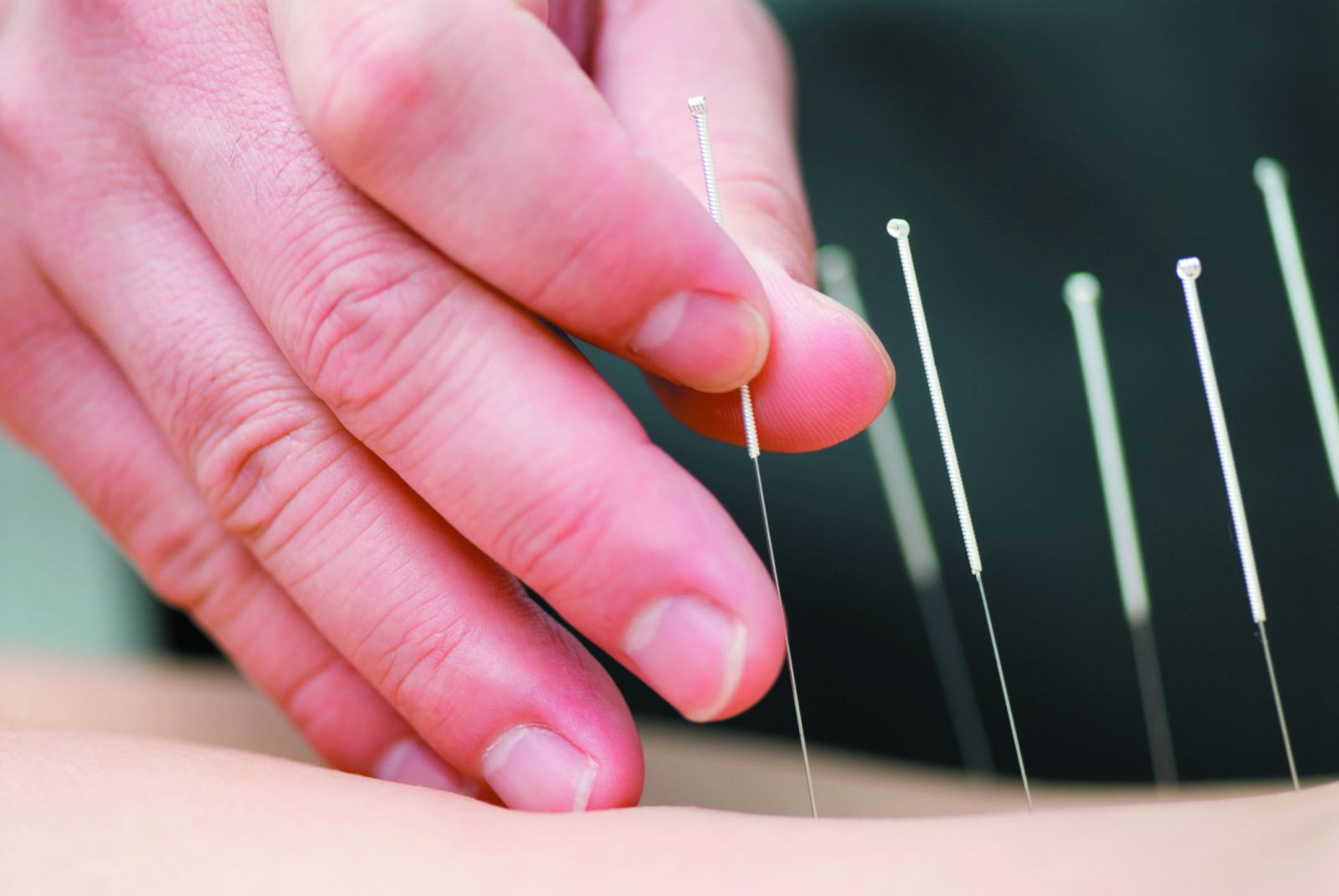
The finer points of acupuncture
This ancient practice can be used alone or with conventional therapy to help ease your pain.
Image: © zilli/Thinkstock
Men looking for an easy and effective means to manage pain should consider acupuncture.
"There are many different types of pain — neuropathic, muscular, degenerative joint — all of which can make management complex," says Hugo Lopez, a licensed acupuncturist with Harvard-affiliated Massachusetts General Hospital Cancer Center. "Sometimes you need to treat not just the physical components, but also the psychological ones, and that is where acupuncture can help, as it addresses both problems."

Being overweight any time in adulthood still associated with a shorter life
Research we're watching
Previous studies have suggested that being somewhat overweight or even slightly obese may not be associated with a shortened life span. Some studies have suggested that being a bit overweight might even be healthier than being at normal weight. This has been referred to as the "obesity paradox."
A recent analysis of data from the Nurses' Health Studies I and II and the Health Professionals Follow-up Study has helped bring clarity to this paradox. Researchers from the Harvard T.H. Chan School of Public Health and Boston University School of Public Health assessed the maximum body mass index (BMI) over 16 years for more than 190,000 postmenopausal women and 35,000 senior men. They then tracked who died over a follow-up period averaging 12 years. They found that people with a maximum BMI in the normal range (18.5 to 24.9 kg/m2) throughout life had the lowest risk of death. Those whose highest recorded BMI fell into the overweight or obese category were at elevated risk of dying from any cause, as well as dying specifically from cardiovascular disease, cancer, or respiratory disease, during the follow-up period.

Breast implants linked to rare lymphoma
Research we're watching
The FDA's medical device reporting program recently announced that as of February 1, it had received 359 reports of anaplastic large cell lymphoma (ALCL), a rare type of non-Hodgkin's lymphoma, in women who had received breast implants. Nine women had died of the disease. The FDA uses such reports to alert clinicians about potential significant side effects from approved drugs and devices, and as it gathers more information, the data may change. Many reports contained details of the implants, including whether the outside surface was smooth or textured and whether the filling was silicone gel or saline.
ALCL is usually found within a capsule of fibrous scar tissue that forms around an implant, not in the breast tissue itself. It appears to develop more frequently in women with textured implants, regardless of filling type.

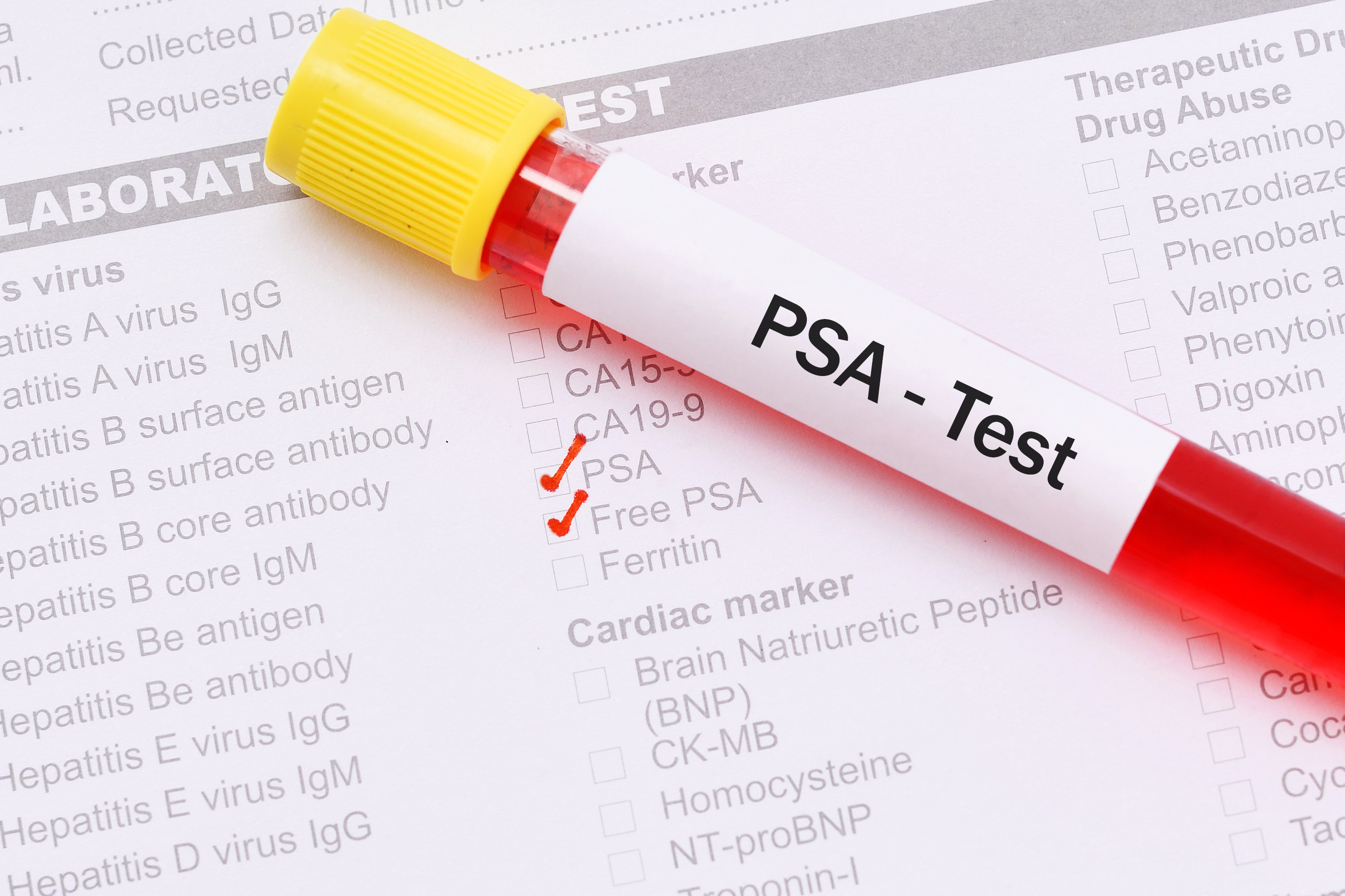
To PSA test or not to PSA test: That is the discussion
The recommended guidelines for whether men should have the prostate cancer screening test have changed in recent years. A man considering the test should talk with his doctor and understand all the pros and cons involved.
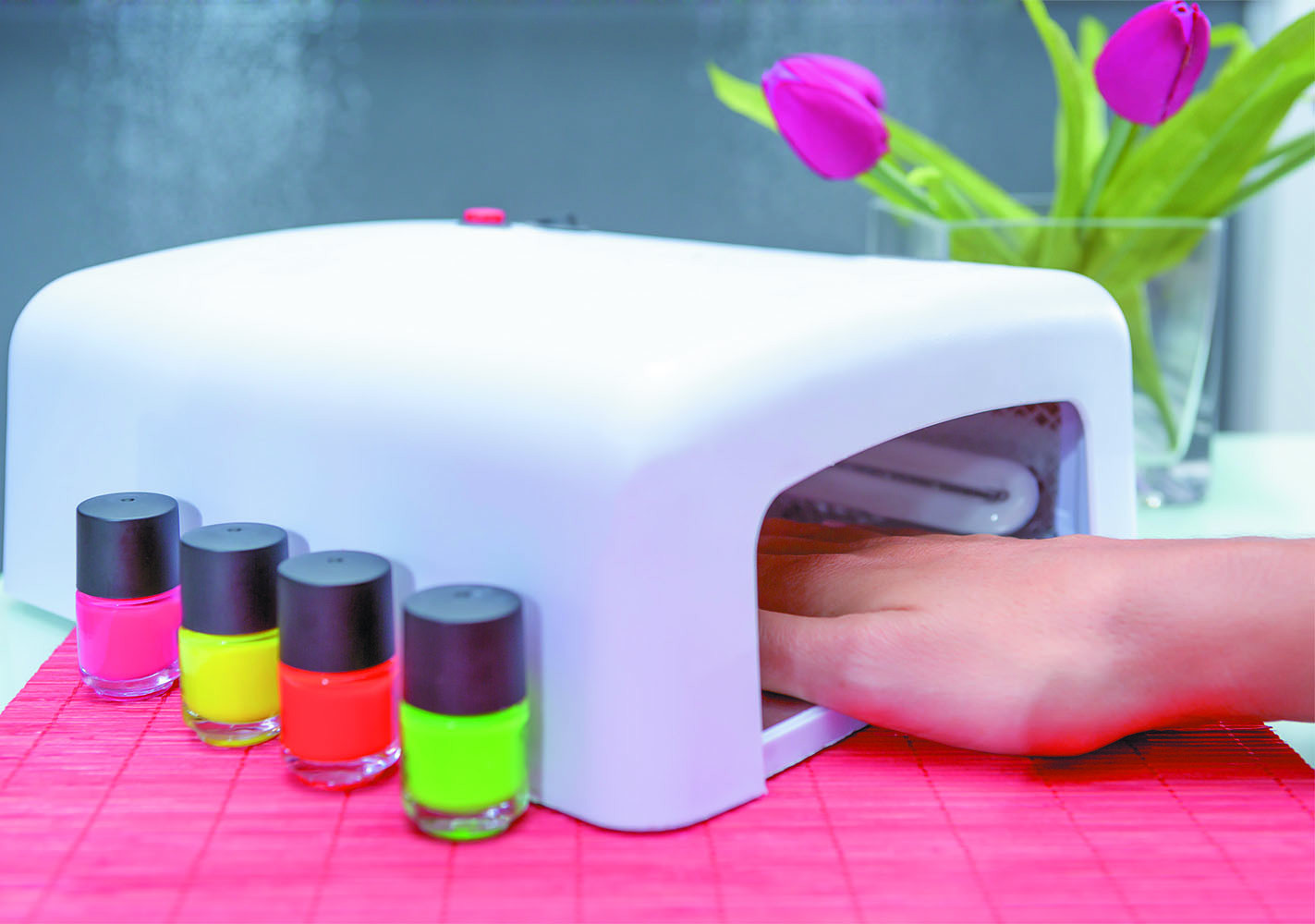
Do gel manicures increase cancer risk?
Ask the doctors
Image: © Click_and_Photo/Thinkstock
Q. I like gel manicures because the polish doesn't chip easily, but I've heard that they may cause cancer. Is this true?
A. The gel polish itself hasn't been associated with an increased risk of cancer. However, lamps and light boxes, which are used to seal the polish during professional manicures, have raised concern. That's because many emit fairly high levels of UVA radiation, which plays a major role in the development of cancer. The level of risk depends on the frequency of manicures. A 2014 study in JAMA Dermatology indicated that the level of UVA exposure associated with a gel manicure every two weeks probably isn't high enough to increase the risk of skin cancer significantly.

Should you still have mammograms after age 75?
The decision depends on several factors, including your breast cancer risk, life expectancy, and personal preferences.
Image: © Auremar/Thinkstock
As you get older, your body isn't the only thing that's changing. So are the guidelines for taking care of it. Breast cancer screening guidelines are a case in point. The current U.S. Preventive Services Task Force (USPSTF) guidelines recommend a mammogram every two years for women ages 50 to 75 with an average risk of developing breast cancer. For older women, the USPSTF said there isn't enough evidence of the potential risks and benefits of mammography on which to base a recommendation.
Although breast cancer is a leading cause of death in older women, women over 75 haven't been included in studies of mammography. However, there is evidence that most breast cancers detected in older women are relatively slow growing and easily treated. While a mammogram performed today might detect a cancer that would not spread or metastasize for several years, the percentage of women who survive to that point decreases with each passing year.

Finding “ugly ducklings” may help detect melanoma
Research we're watching
Image: © Igor Gratzer/Thinkstock
In Hans Christian Andersen's classic fairy tale, the ugly duckling stands out from the flock because he's destined to become a swan. In dermatology, the "ugly duckling" is a mole that doesn't look like the rest of the moles on a person's body, and is often suspected to be a melanoma.
A team of French researchers decided to test whether finding an ugly duckling among all of a patient's moles is as effective a way of identifying melanoma as applying diagnostic criteria — like size, shape, color, and irregularity — to each mole separately. For the study, nine dermatologists studied images of 2,089 individual moles from 80 people. The images were presented to the dermatologists two different ways on two different days. On one day, they evaluated each image separately; on another, they looked for the ugly ducklings among the complete set of moles from each patient. They were able to flag the melanomas accurately both times. However, they were able to decrease the number of moles biopsied when they used the ugly duckling system.
CoQ10: Should you take this popular supplement if you're on a statin?
Microplastics: A hidden health threat?
Oat vs. dairy milk: Nutrition, benefits, and downsides
What is tempeh? Benefits, nutrition, and how to use it
Healing after food poisoning
Children of centenarians may stay healthier and live longer too, study finds
Light exposure at night may raise risk for heart disease
A lumbar belt may help ease low back pain
Whole grains may improve several heart risk factors at once
Signs of pneumonia: Sometimes vague and unexpected
Free Healthbeat Signup
Get the latest in health news delivered to your inbox!
Sign Up
