

CoQ10: Should you take this popular supplement if you're on a statin?

Microplastics: A hidden health threat?

Oat vs. dairy milk: Nutrition, benefits, and downsides

What is tempeh? Benefits, nutrition, and how to use it

Healing after food poisoning

Children of centenarians may stay healthier and live longer too, study finds

Light exposure at night may raise risk for heart disease

A lumbar belt may help ease low back pain

Whole grains may improve several heart risk factors at once

Signs of pneumonia: Sometimes vague and unexpected
Cancer Archive
Articles

Factors that increase your risk for a secondary cancer
Several factors can make you more likely to develop a secondary cancer. Some are under your control. Others aren't. It's important for you to discuss your risks with your doctor and find out what you can do to lower your odds of developing cancer again. Equally important, discuss how often you need to get screened, so you can catch any new cancers early.
Childhood cancer. If you developed cancer before age 15, you'll need to stay on top of your health in the years to come. Some childhood tumors are caused by inherited syndromes that contribute to a lifelong increased risk for cancer. For example, Li-Fraumeni syndrome can lead to sarcoma, leukemia, and brain and breast cancers. The treatments you received to combat childhood cancer can also make you more vulnerable to future malignancies.

Combination hormonal therapy boosts survival in men with aggressive prostate cancer
The results of two studies found that using the drug abiraterone in combination with other hormonal therapy drugs to treat aggressive prostate cancer produced more favorable results than the first-line therapy alone.


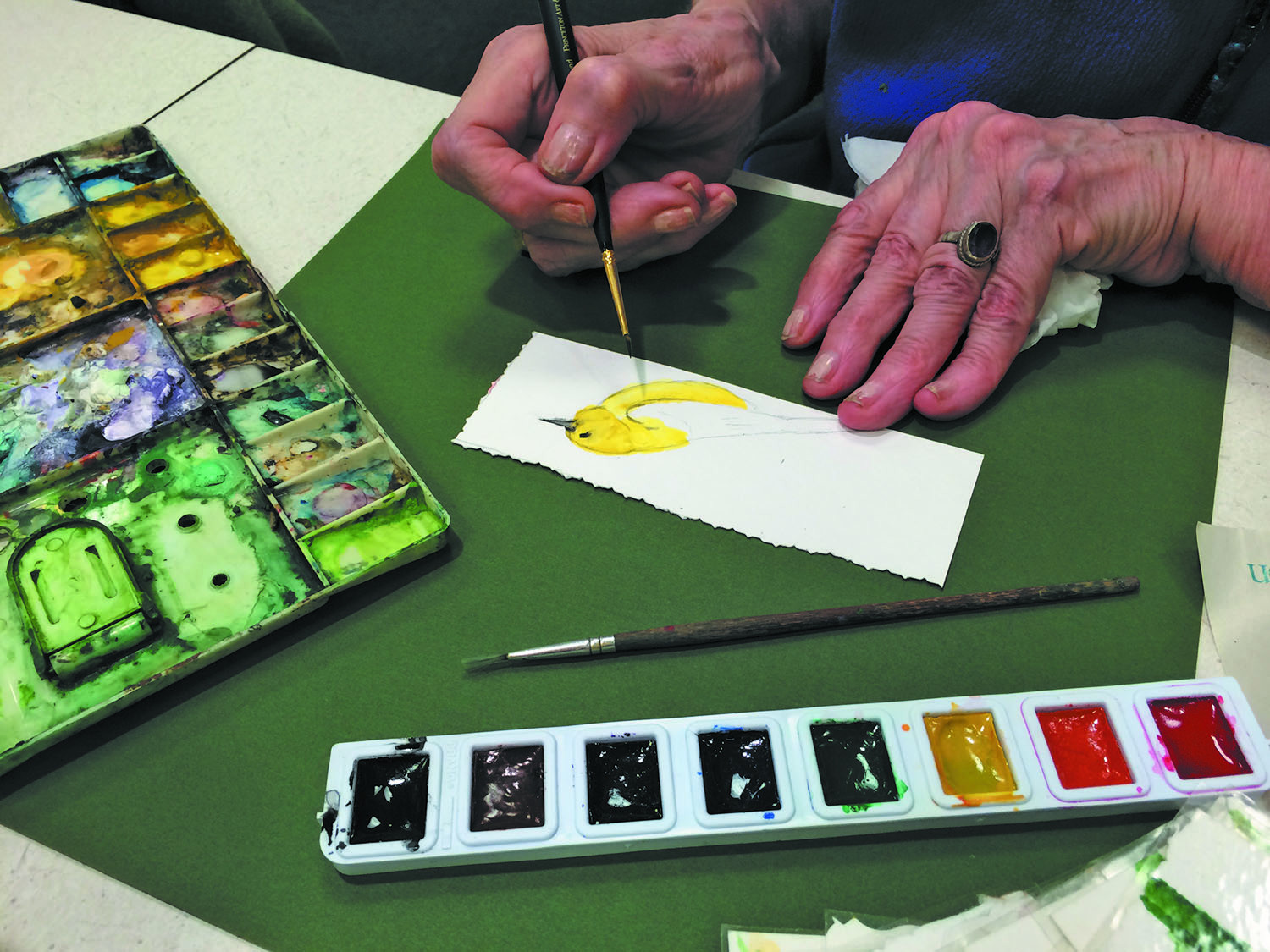
The healing power of art
Creative activities can relieve stress, aid communication, and help arrest cognitive decline.
Image: © Katherine A. Gallagher Integrative Therapies Art Therapy Program at the Mass. General Cancer Center
The title of a recent documentary film, I Remember Better When I Paint, sums up the findings of a growing body of research into the cognitive effects of making art. The movie demonstrates how drawing and painting stimulated memories in people with dementia and enabled them to reconnect with the world. People with dementia aren't the only beneficiaries. Studies have shown that expressing themselves through art can help people with depression, anxiety, or cancer, too. And doing so has been linked to improved memory, reasoning, and resilience in healthy older people.

Antibiotic use linked to increased risk of precancerous colon polyps
Research we're watching
Recent evidence suggests that antibiotics, which affect the makeup of intestinal bacteria, might be associated with an increased risk of colorectal cancer. A team led by researchers from Harvard Medical School wanted to see if antibiotic use is also associated with adenomatous polyps, precursors of colon cancer that significantly increase the risk of developing the disease.
The team analyzed data from 16,642 women ages 60 or older participating in the Nurses' Health Study. They first looked at participants' antibiotic use from ages 20 through 59 and in the most recent four years. They also checked the results with the women's colonoscopies and found 1,195 cases of adenomatous polyps.


Are you at risk for COPD?
If you have a hacking cough and breathlessness, don't chalk it up to aging.
Maybe you never smoked, or you stopped decades ago. But you may still be at risk for chronic obstructive pulmonary disease (COPD). That's the umbrella term for a number of lung diseases that sometimes lead to disability and even death. "While about 80% of COPD cases are related to having smoked, 20% are not," says Dr. Bartolome Celli, a pulmonologist with Harvard-affiliated Brigham and Women's Hospital.
Diseases and symptoms
COPD includes emphysema, chronic bronchitis, severe asthma, or a combination of these conditions. They cause inflammation, destruction, or abnormal repair of airways and lung tissue, which reduces airflow and ultimately makes it harder to take in enough oxygen to supply the body.
CoQ10: Should you take this popular supplement if you're on a statin?
Microplastics: A hidden health threat?
Oat vs. dairy milk: Nutrition, benefits, and downsides
What is tempeh? Benefits, nutrition, and how to use it
Healing after food poisoning
Children of centenarians may stay healthier and live longer too, study finds
Light exposure at night may raise risk for heart disease
A lumbar belt may help ease low back pain
Whole grains may improve several heart risk factors at once
Signs of pneumonia: Sometimes vague and unexpected
Free Healthbeat Signup
Get the latest in health news delivered to your inbox!
Sign Up
