

CoQ10: Should you take this popular supplement if you're on a statin?

Microplastics: A hidden health threat?

Oat vs. dairy milk: Nutrition, benefits, and downsides

What is tempeh? Benefits, nutrition, and how to use it

Healing after food poisoning

Children of centenarians may stay healthier and live longer too, study finds

Light exposure at night may raise risk for heart disease

A lumbar belt may help ease low back pain

Whole grains may improve several heart risk factors at once

Signs of pneumonia: Sometimes vague and unexpected
Cancer Archive
Articles

Scalp cooling reduces hair loss during breast cancer chemotherapy
Research we're watching
For many women with breast cancer, hair loss is the most distressing side effect of chemotherapy. Although cooling the scalp with ice packs has been tested, the technique has had limited success. However, a newer approach — wearing a cap connected to a cooling system that gradually reduces scalp temperature — has been more successful, according to two reports in the Feb. 14, 2017, Journal of the American Medical Association.
In one study, 67 of 106 women with stage I or stage II breast cancer who used the FDA-approved DigniCap during their treatment with taxane (Taxol and others) lost less than half of their hair. In comparison, 16 women who underwent the same treatment but did not wear the cooling cap lost all of their hair.

Cancer and fat: New findings about the connection
News briefs
Image: © monkeybusinessimages/Thinkstock
Carrying around extra weight is a known risk factor for developing some cancers. But exactly which kinds of cancer are associated with obesity is debated. A study published Feb. 28, 2017, in The BMJ aimed to narrow it down. European researchers combed through about 100 large reviews of observational studies that looked for links between being overweight and getting cancer.
Out of 36 kinds of cancer evaluated, the researchers found strong evidence for a link to obesity for 11—in the colon, rectum, biliary tract (liver and gallbladder), pancreas, breast, endometrium (uterine lining), ovary, kidney, and the gastric cardia (the junction of the esophagus and stomach); a certain type of esophageal cancer (adenocarcinoma); and one type of bone marrow cancer (multiple myeloma). The researchers said there may be links between obesity and other cancers, but so far the evidence is relatively weak.


The problem with tanning (and the myth of the base tan)
The earlier one starts tanning, the longer the lifetime skin damage and the higher the skin cancer risk. As the number of people with skin cancer increases, it has become especially important to convey to teenagers the message that tanning is an unhealthy choice, whether it’s outdoors or in a tanning bed.
Harvard researchers link diverticulitis to red meat
News briefs
Red meat is associated with an increased risk for developing cardiovascular disease, diabetes, and some types of cancer. Now, a study published online Jan. 9, 2017, by the journal Gut suggests that eating red meat is associated with an increased risk for developing diverticulitis. This occurs when tiny pouches in the wall of the large intestine become inflamed, potentially causing cramps, diarrhea, constipation, and even rectal bleeding. We don't really know what causes diverticulitis, so researchers explored possible dietary links. They analyzed health and diet information reported by more than 46,000 men (ages 40 to 75) over 26 years. Men who ate the most red meat per week (about 13 servings) were 58% more likely to develop diverticulitis during the study period, compared with men who ate the least red meat per week (1.2 servings). The association was strongest for unprocessed red meat like steak. However, the risk for developing diverticulitis was 20% lower when people in the study substituted poultry or fish for a serving of unprocessed red meat each day. The findings don't prove that red meat causes diverticulitis, but other studies have suggested red meat may be a factor in diverticular disease.
As an ex-smoker, am I still at high risk for lung cancer?
Ask the doctor
Q. I smoked for more than 20 years, but gave it up about 15 years ago. Am I still at risk for lung cancer or other health problems?
A. Not smoking is the best health move any man can make. The good news is that the benefits of quitting smoking begin almost immediately after your final cigarette, although the risk of smoking-related cancers may take years to decline.

The lowdown on constipation
Don't take constipation sitting down. Lifestyle changes can help you find relief.
Image: © rimglow; © Martin Poole; © sarahdoow; © ValentynVolkov/Thinkstock
Constipation may be unpleasant and embarrassing, but it should never be ignored. About one-third of adults ages 60 and older report at least occasional constipation, which can leave them feeling bloated, uncomfortable, and sluggish.
"It's an incredibly common problem, especially among older men, but it's important to address and manage, as it can affect your nutrition and quality of life," says Dr. Judy Nee, a gastroenterologist with Harvard-affiliated Beth Israel Deaconess Medical Center.
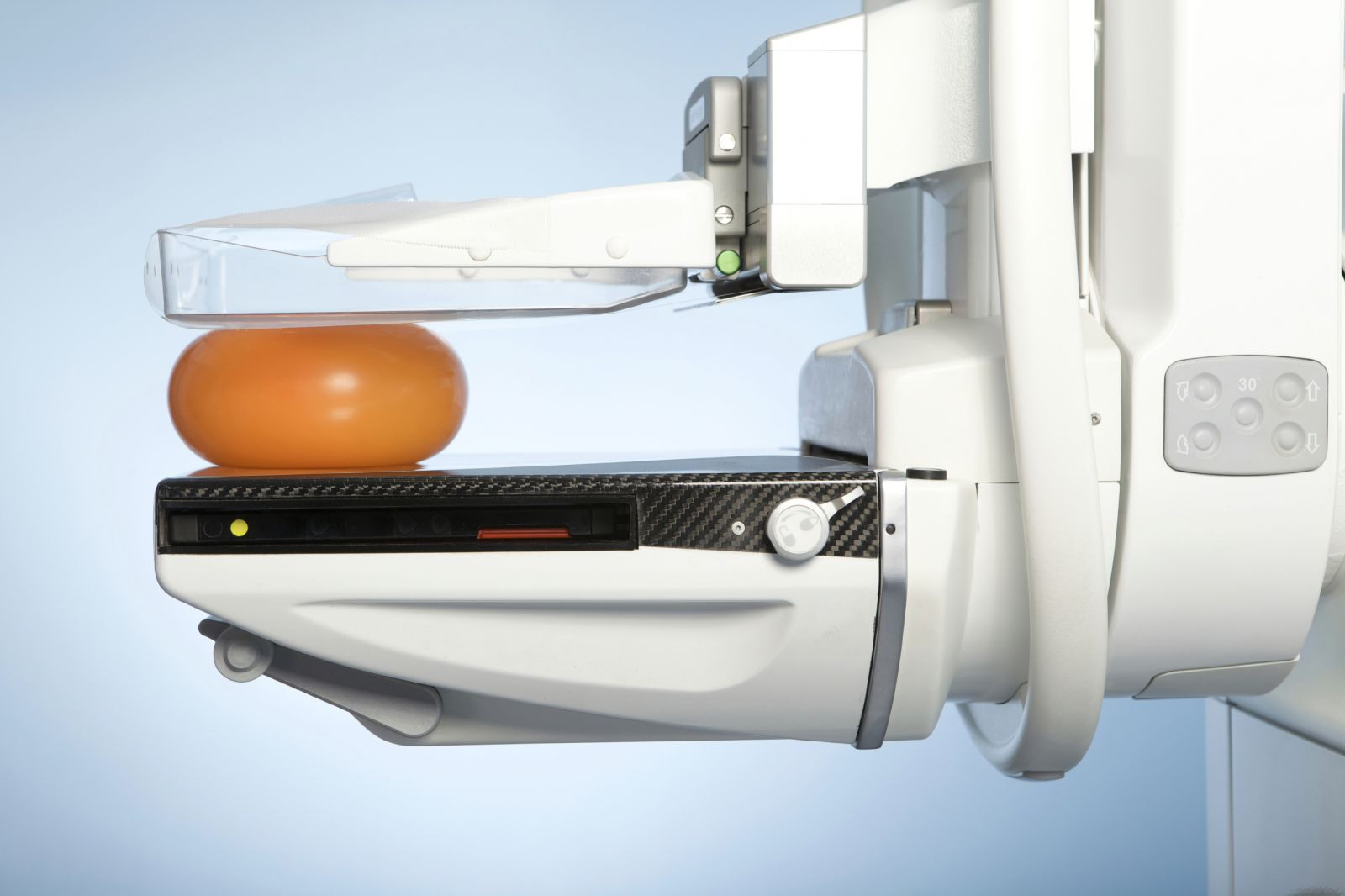
Why isn't there a more comfortable mammogram procedure?
Ask the doctor
Q. I have been smashed, squashed, pulled, and tugged annually for 25 years. Why isn't there a better way to take a mammogram?
A. We hear you! Compression mammography has been the "gold standard" for decades for one reason — it works. Flattening the breast makes ductal tissue easier to distinguish and reduces the amount of radiation required to do so. Studies have demonstrated that it is the most effective approach to breast cancer screening.
Postmenopausal women treated for DCIS live as long as other women
Research we're watching
Ductal carcinoma in situ (DCIS) differs from breast cancer because it is noninvasive, so it cannot spread to other parts of the body. However, it can progress to an invasive breast cancer, which can be life-threatening. Researchers from the Netherlands Cancer Institute wanted to determine how DCIS affected long-term survival.
The team studied almost 10,000 postmenopausal women who were diagnosed with DCIS between 1989 and 2004. They tracked the patients over an average of 10 years and compared their death rates with the expected mortality rates of the general population. They found that women who had been treated for DCIS had a 2.5% risk of dying of breast cancer over 10 years and a 4% risk at 15 years — rates that were higher than in the general population. But they also found that DCIS survivors had a 10% lower risk of dying from any cause compared with the general population. They presented their results Jan. 27, 2017, at the European Cancer Congress.

CoQ10: Should you take this popular supplement if you're on a statin?
Microplastics: A hidden health threat?
Oat vs. dairy milk: Nutrition, benefits, and downsides
What is tempeh? Benefits, nutrition, and how to use it
Healing after food poisoning
Children of centenarians may stay healthier and live longer too, study finds
Light exposure at night may raise risk for heart disease
A lumbar belt may help ease low back pain
Whole grains may improve several heart risk factors at once
Signs of pneumonia: Sometimes vague and unexpected
Free Healthbeat Signup
Get the latest in health news delivered to your inbox!
Sign Up
