

Using a vibration plate: What it can — and can't — do for your body

The surprising link between ovarian cancer and the fallopian tubes

People who walk more or walk faster live longer, study finds

For sleep apnea, a dental device may be as effective as CPAP

Rosacea treatments: What works?

Carb cycling: What is it, and does it work?

Salmonella, E. coli, Cyclospora, and other germs that cause food poisoning: What you need to know

Melatonin or magnesium: Can either supplement help you sleep?

Understanding orthorexia: Have your healthy eating goals gone too far?

Naturally gluten-free foods
Cancer pain Archive
Articles

I’m in pain, so why is my doctor suggesting a psychologist?
The negative emotions that come from coping with chronic pain can lead to depression, and that very depression can lead to worse pain. Understanding the connection between pain and emotional health with the help of a psychologist can address these issues, and there are evidence-based therapies that can help as well.

Managing statin muscle pain
There are several things you can do to prevent or minimize the aches and pains that might accompany statin use.
If you're not taking a statin now, you may well be soon. These medications are commonly prescribed to lower "bad" LDL cholesterol and have been shown to reduce the risk of heart attack, stroke, and death. They are routinely recommended for people who have cardiovascular disease and for many people ages 40 to 75 who don't have cardiovascular disease but have at least one risk factor (high blood pressure, high cholesterol, diabetes, or smoking) and a 7.5% or greater risk of a stroke or heart attack in the next decade. Moreover, recent research indicates that they may benefit high risk individuals over age 75 as well.
Muscle pain and other statin side effects
Taking a statin may give you some assurance that you're doing all you can to avoid heart attack and stroke, but you may also experience side effects. Reported side effects include an increased chance of developing diabetes — which is largely restricted to people who are already at risk for diabetes, and who can be monitored with glucose or hemoglobin A1c tests. Statin use has also been associated with difficulties with memory and reasoning, although there is no clear evidence that the drugs were responsible. In very rare cases, statins may cause liver problems or a potentially life-threatening breakdown in muscle cells.

Is fibromyalgia hereditary?
Ask the doctors
Q. My mother has fibromyalgia, and I think I'm starting to experience similar symptoms. Is fibromyalgia hereditary?
A. Yes. Fibromyalgia, a chronic pain condition that affects some six million or more Americans, can run in families. In fact, one of the most important risk factors for fibromyalgia is a family history of the disorder. Fibromyalgia is sometimes known to affect multiple members of the same family. Your risk rises if you have a first-degree relative — a parent, a brother, sister, or child — with the condition.
Is exercise good for arthritis?
Ask the doctors
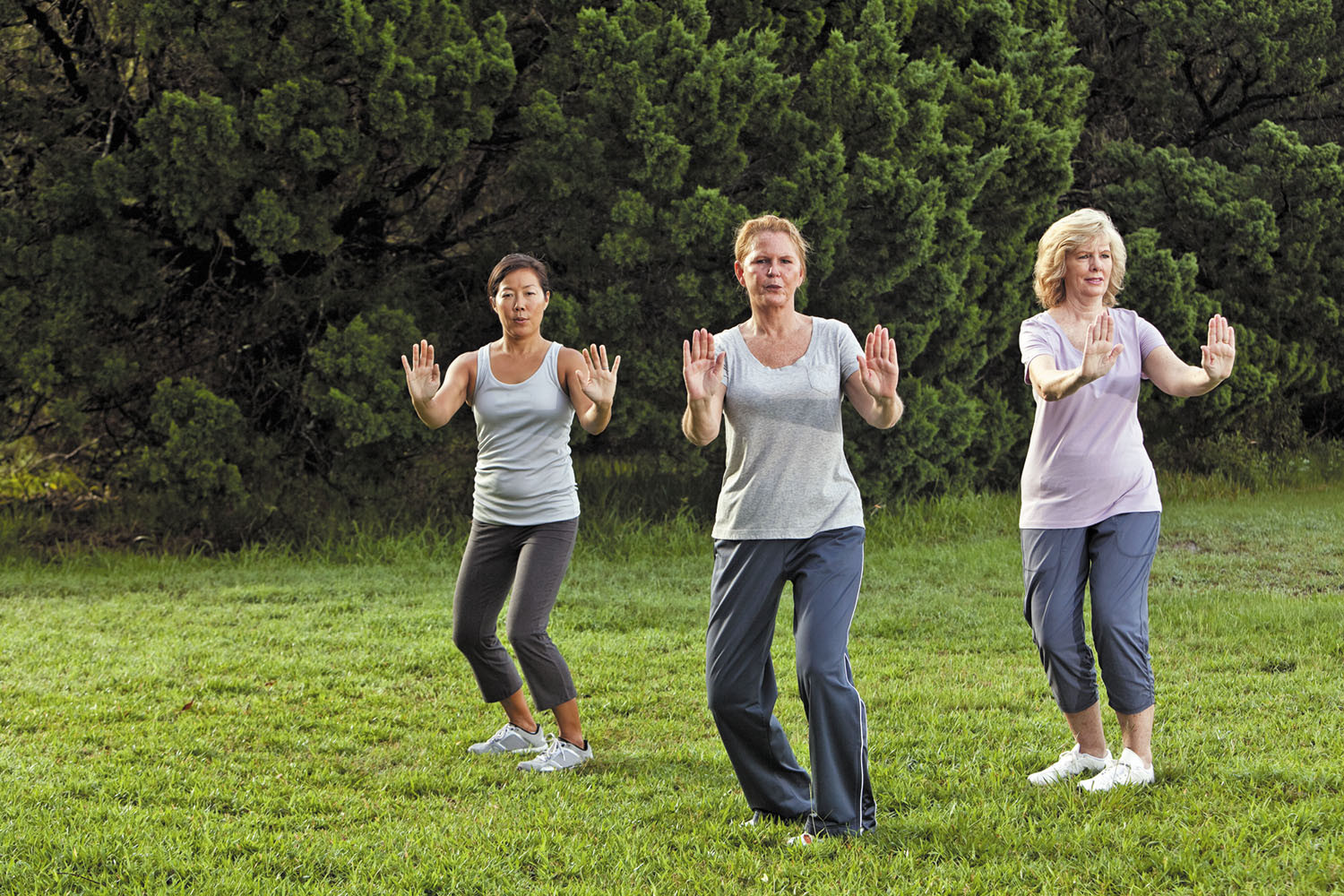
Q. I have arthritis and my doctor recommended I start exercising, but I'm worried it will make my pain worse. Should I follow her advice?
A. Yes, your doctor is right. Although it may seem counterintuitive to move more when your joints hurt, studies have shown that exercise can reduce arthritis-related pain, fatigue, and stiffness. Exercise is also important for your overall health and can help reduce your risk of heart disease, obesity, and diabetes.
Chest pain that's not a heart attack
Ask the doctor
Q. My brother went to the emergency room because he thought he was having a heart attack. Instead, he was diagnosed with costochondritis. What is that?
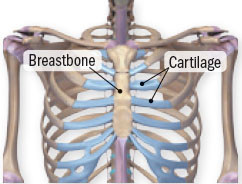
A. Costochondritis is caused by inflammation of the cartilage between the ribs and the breastbone, called the costosternal joints (see illustration). This uncommon condition can trigger a stabbing, aching pain that's often mistaken for a heart attack.

4 stretches to keep your shoulders in shape
Keeping your shoulder muscles flexible will help prevent injury.
The shoulder is the body's most complicated joint. It's where the ends of the collarbone, upper arm bone, and shoulder blade meet. And it's prone to arthritis (a wearing away of the cartilage between the bones), as well as tears or tendinitis (inflammation) in the rotator cuff — the group of tendons that helps you raise and rotate your arm. Shoulder pain can keep you from being able to raise your arms to get dressed, or reach up to a cupboard or out to a door.
But an easy way to stave off shoulder problems is to regularly stretch the muscles that support the joints. "The muscles need to be long and flexible to stay healthy. You're more vulnerable to injury when your shoulder muscles are tight and restricted," explains Clare Safran-Norton, clinical supervisor of rehabilitation services at Harvard-affiliated Brigham and Women's Hospital.

Taming carpal tunnel syndrome
Inside your wrist, a slick tunnel passes through the carpal bones. The nerves and tendons of the wrist pass through this space, called the carpal tunnel. One of these nerves, the median nerve, controls sensations in the palm side of the thumb, the index and middle fingers, and half of the ring finger. It also transmits the impulses to certain hand muscles that allow the fingers and thumb to move. Carpal tunnel syndrome occurs when this nerve becomes irritated or squeezed. Symptoms include numbness, tingling, pain, or weakness in the hand of the affected wrist.
Because the carpal tunnel starts out narrow, it doesn't take much to aggravate or compress the median nerve. A number of conditions can make a person more prone to carpal tunnel syndrome. These include:

Great exercise that's easier on the joints
Aquatic therapy can reduce pain and pressure while providing an effective workout.
When you're struggling with joint pain, gravity can make exercise an unpleasant experience. But exercising in water, also known as aquatic therapy, can change all that. "It enables you to do many of the same exercises you'd do on land without applying the same force on your joints," says Gayle Olson, a certified athletic trainer at the Sports Performance Center at Harvard-affiliated Massachusetts General Hospital.

A leg up on peripheral artery disease
The condition causes leg pain and fatigue that make activity difficult, but lifestyle changes can improve how you feel.
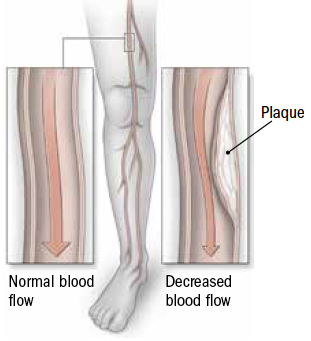
The occasional leg pain or stiffness is often not cause for concern, but if pain or fatigue develops after just a few minutes of walking or climbing stairs, it could be an early sign of peripheral artery disease (PAD).
"PAD not only interferes with an active lifestyle, but also can put you at higher risk for a heart attack and stroke," says Dr. Michael Belkin, chief of the Division of Vascular and Endovascular Surgery with Harvard-affiliated Brigham and Women's Hospital. "You can't cure PAD once it occurs, so you want to take measures to avoid it as much as possible."
Using a vibration plate: What it can — and can't — do for your body
The surprising link between ovarian cancer and the fallopian tubes
People who walk more or walk faster live longer, study finds
For sleep apnea, a dental device may be as effective as CPAP
Rosacea treatments: What works?
Carb cycling: What is it, and does it work?
Salmonella, E. coli, Cyclospora, and other germs that cause food poisoning: What you need to know
Melatonin or magnesium: Can either supplement help you sleep?
Understanding orthorexia: Have your healthy eating goals gone too far?
Naturally gluten-free foods
Free Healthbeat Signup
Get the latest in health news delivered to your inbox!
Sign Up
