

Using a vibration plate: What it can — and can't — do for your body

The surprising link between ovarian cancer and the fallopian tubes

People who walk more or walk faster live longer, study finds

For sleep apnea, a dental device may be as effective as CPAP

Rosacea treatments: What works?

Carb cycling: What is it, and does it work?

Salmonella, E. coli, Cyclospora, and other germs that cause food poisoning: What you need to know

Melatonin or magnesium: Can either supplement help you sleep?

Understanding orthorexia: Have your healthy eating goals gone too far?

Naturally gluten-free foods
Cancer pain Archive
Articles

When pain slows your new walking regimen

Sickle cell disease: Ways to help teens and parents

Harvard Health Ad Watch: Aches, pains, and muscle cramps — do well-advertised remedies actually work?
Several heavily-advertised products that are applied to the skin claim to relieve muscle or joint pain, but are not regulated by the FDA, and none of them offers any solid scientific evidence to back up their claims. So are they worth trying?

The 3 main options for physical rehabilitation
Inpatient, outpatient, and at-home rehab all aim to restore your function and independence.
Have shoulder pain? Recovering from traumatic illness, surgery, or a bad fall? Your doctor may well recommend physical rehabilitation or physical therapy to get you back to your daily routine and the activities you love. There are several options available, depending on your needs.
1. Inpatient rehab
Inpatient rehab is prescribed after a hospital stay, when you're not well enough to go home. It offers comprehensive care from doctors, nurses, therapists, and other health professionals. There are two types of this rehab.
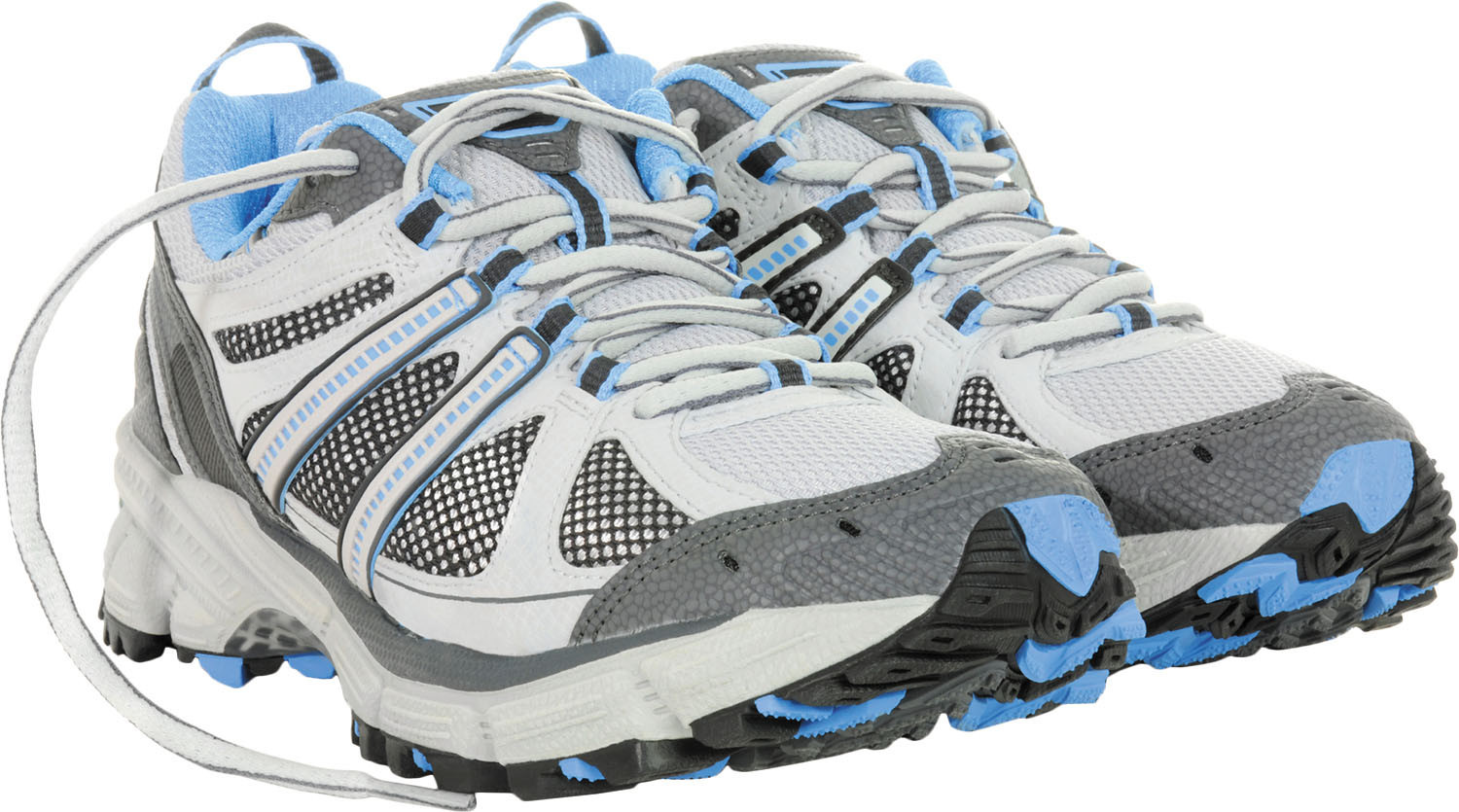
Study finds these shoes are better at keeping knee pain in check
News briefs
When you have knee pain, you just want it to go away so you can walk without having to limp or wince with every step. And a small, randomized trial published online Jan. 12, 2021, by Annals of Internal Medicine found that one type of shoe might be best for the job. Researchers took 164 people ages 50 or older with moderate or severe knee arthritis and randomly assigned half of the group to wear stable, supportive shoes with thick soles that didn't bend much. The other half was assigned flat shoes with thin, flexible soles, which are believed by some to provide a benefit by allowing more natural movement of the leg and foot. Both groups wore their assigned shoes for six hours per day and took part in activities such as walking during that time. After six months, 58% of people in the stable, supportive shoe group reported a reduction in knee pain while walking, compared with 40% of people reporting pain reduction after wearing the flat, flexible shoes. In both groups, the pain reduction probably was a benefit of regular walking. The people wearing flexible shoes were also twice as likely to develop ankle or foot pain, compared with those wearing sturdy shoes. So if you have knee pain, keep walking — in sturdy shoes.
Image: © chictype/Getty Images

Are antidepressants also pain relievers?
Antidepressant medications are frequently prescribed for chronic pain, particularly neck or low back pain and certain types of arthritis — though other treatments are usually tried first. An analysis of past research considered how effective antidepressants are for these types of pain, but the results are not encouraging.

Effective exercises for osteoporosis
The ideal workout program for osteoporosis combines weight-bearing, muscle-strengthening, flexibility, and balance exercises.

Take a mental break from pain
Mindfulness can help soothe short-term and chronic pain.
Your mind is a powerful pain remedy when given the chance. Science continues to show how mindfulness can manage pain — and it doesn't take years to master.
"Using mindfulness is a way for older adults to treat ongoing chronic pain and the occasional flare-up without having to always rely on medication," says Ellen Slawsby, director of pain services at Harvard-affiliated Benson-Henry Institute for Mind Body Medicine.

Did my diet cause my gout?
Ask the doctors
Q. I eat a lot of shellfish and recently developed gout in my knee. Did my diet cause the condition?
A. As you probably know, gout is a painful form of arthritis that occurs when high levels of a waste product called uric acid build up in the body. It can settle into joints, where it forms sharp crystals that can trigger inflammation, redness, and pain. Your diet may have aggravated the condition, but didn't cause it.

Fears about statin side effects: Often unfounded?
A novel study suggests that the "nocebo effect" could be why some people believe they cannot tolerate statins.
Are you hesitant to fill your statin prescription because you're worried the drug will cause muscle aches and other side effects? Although you're far from alone (see "A royal pain?"), the reality is that all drugs have side effects, and statins aren't worse than other drugs. And fears about statin side effects may be depriving people of a potentially lifesaving medication.
The nocebo effect — the flip side of the well-known placebo effect — occurs when people experience negative effects from a drug, placebo, or other treatment based on an expectation of harm. Because of the widespread belief that statins cause muscle aches, statins have been suspected of triggering a strong nocebo effect. A recent study confirmed this observation (see "A study to assess statin side effects").
Using a vibration plate: What it can — and can't — do for your body
The surprising link between ovarian cancer and the fallopian tubes
People who walk more or walk faster live longer, study finds
For sleep apnea, a dental device may be as effective as CPAP
Rosacea treatments: What works?
Carb cycling: What is it, and does it work?
Salmonella, E. coli, Cyclospora, and other germs that cause food poisoning: What you need to know
Melatonin or magnesium: Can either supplement help you sleep?
Understanding orthorexia: Have your healthy eating goals gone too far?
Naturally gluten-free foods
Free Healthbeat Signup
Get the latest in health news delivered to your inbox!
Sign Up
