

Naturally gluten-free foods

Harvard study: Healthier fats linked to longer life after prostate cancer diagnosis

Shingrix shingles vaccine linked with lower heart disease risks

Estrogen-only hormone therapy tied to lower dementia risk
Should you have a hysterectomy?

Stair climbing may significantly lower cardiovascular risks

Why do I sweat so much?

Walking pneumonia: The "mild" illness that can still pack a punch

What causes knee pain: How doctors make a diagnosis
Where you carry excess weight matters in predicting heart disease risk
Brain health Archive
Articles

Poor handgrip strength in midlife linked to cognitive decline
A large study published online June 23, 2022, by JAMA Network Open found that poor handgrip strength in midlife was associated with cognitive decline a decade later.

Long periods of sitting tied to higher risk of stroke
Sitting too much can boost stroke risk. But adding more movement—even low-effort activity such as doing household chores—may help lower that risk.

Putting potassium in perspective
Too much or too little potassium can harm the heart. Diet, medications, and kidney function can affect the body's potassium level. Dietary potassium helps keep blood pressure in a normal range, but most Americans don't consume enough of this mineral. However, people taking medications that raise potassium levels—which includes certain drugs to treat high blood pressure and heart failure—should avoid salt substitutes made with potassium chloride.

Beyond hot flashes
Around menopause, a decline in estrogen can trigger low-grade inflammation that leads to unexpected symptoms from head to toe. Symptoms can affect the digestive tract, skin, joints, eyes, ears, and heart, among other areas. A 2022 study found that estrogen loss can even fuel the jaw pain known as temporomandibular disorder. A year or longer can pass before many women connect symptoms with menopause. Women can take lifestyle measures to lower inflammation, such as eating more fruits and vegetables, avoiding processed foods, and exercising.

You don't say? The scoop on ice cream headaches
A cold-stimulus headaches, or "brain freeze," happens after a person eats or drinks something very cold. It causes a sharp pain that centers on the forehead and usually lasts several seconds. Taking smaller bites and chewing slowly can ward off this reaction.

Getting the most from your remaining years
Following healthy habits like exercising, eating a proper diet, and being socially engaged can help people live a longer, healthier life. Still, the ultimate goal is not simply to live longer, but to enjoy life, which means placing more emphasis on quality of life. How life quality is defined can vary depending on people's goals, but it often revolves around three certain mindsets: having a sense of purpose, focusing on where one wants to devote time and energy, and enjoying the process and journey.

Women more likely than men to show atypical stroke symptoms
A 2022 study found that women are more likely than men to have "generalized" stroke symptoms such as weakness and confusion, in addition to classic signs such as speech or movement problems.

Doing multiple types of activities improves cognitive health
Studies have shown that doing any one of certain activities, such as staying physically active and maintaining social ties, helps maintain brain health in older adults. A new study suggests that participating in multiple kinds of these activities, several times a week, may help even more.
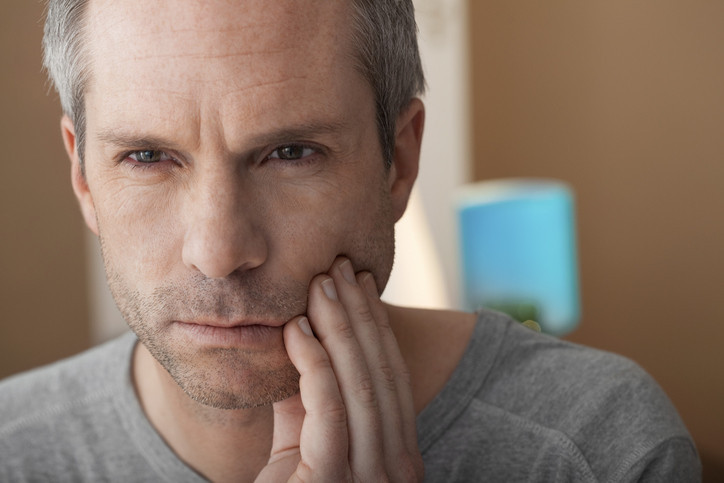
How can I stop grinding my teeth when I'm asleep?
Teeth-grinding during sleep is common. People with the habit may wake up with sore teeth, headache, or earache. Over time, it can lead to broken teeth or jaw pain and clicking. A dentist can create a fitted mouth guard or prescribe muscle relaxants.

What is the ideal blood pressure number?
Recent guidelines suggest a blood pressure reading of less than 120/80 mm Hg as normal. But the ideal number for individuals depends on their individual goals and whether they also have a chronic condition, such as heart disease or kidney disease.
Naturally gluten-free foods
Harvard study: Healthier fats linked to longer life after prostate cancer diagnosis
Shingrix shingles vaccine linked with lower heart disease risks
Estrogen-only hormone therapy tied to lower dementia risk
Should you have a hysterectomy?
Stair climbing may significantly lower cardiovascular risks
Why do I sweat so much?
Walking pneumonia: The "mild" illness that can still pack a punch
What causes knee pain: How doctors make a diagnosis
Where you carry excess weight matters in predicting heart disease risk
Free Healthbeat Signup
Get the latest in health news delivered to your inbox!
Sign Up
