

Naturally gluten-free foods

Harvard study: Healthier fats linked to longer life after prostate cancer diagnosis

Shingrix shingles vaccine linked with lower heart disease risks

Estrogen-only hormone therapy tied to lower dementia risk

Should you have a hysterectomy?

Stair climbing may significantly lower cardiovascular risks

Why do I sweat so much?

Walking pneumonia: The "mild" illness that can still pack a punch

What causes knee pain: How doctors make a diagnosis

Where you carry excess weight matters in predicting heart disease risk
Brain health Archive
Articles

How can I tell if I have a concussion?
Concussions occur when the brain bumps or twists inside the skull after a blow to the head. Signs of concussion include headache, eye pain or fatigue, neck pain or stiffness, imbalance, impaired depth perception, difficulty remembering, or sleep pattern changes.

Poor physical function may predict cardiovascular disease
A new study suggests that older adults who maintain an high level functional fitness have a lower their risk of heart attack, heart failure, and stroke compared with those who are not as fit.
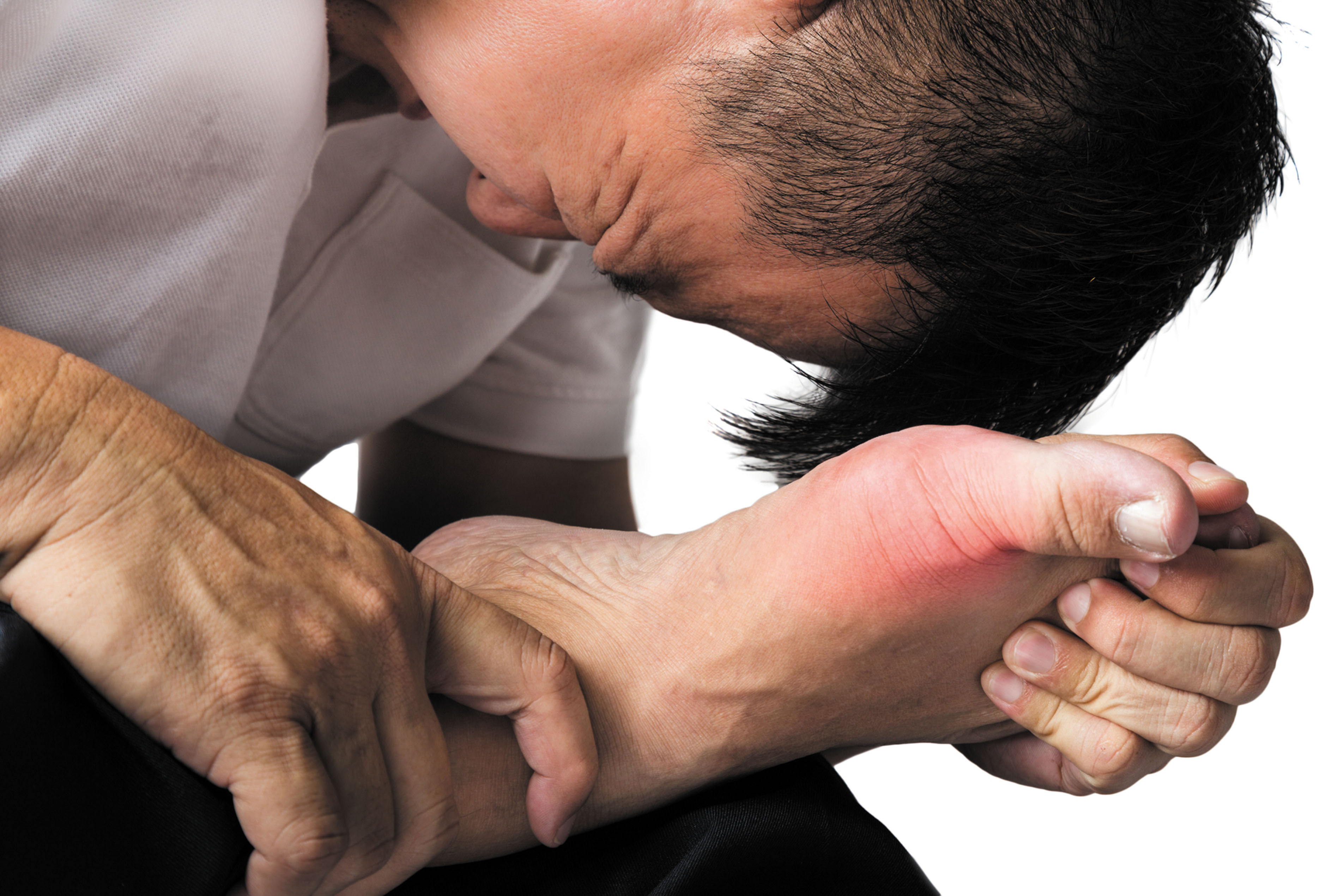
Gout linked with risk for heart attack and stroke
Gout strikes when too much uric acid builds up in the body and triggers severe pain, swelling, and redness in one or more joints, often in the big toe. New research suggests that an episode may increase the risk for a heart attack or stroke over the following two months.

Engage your heart and brain, even when you're sitting
Sitting too much is bad for health. But there are ways to make time spent seated a little healthier. For example, people can keep their brains active by reading, writing, doing a hobby (such as knitting), or playing an instrument. And people can exercise while in a seated position. It's possible to do an aerobic workout that gets the heart and lungs pumping, such as a seated dance routine or calisthenics, as well as muscle-strengthening activities or stretching exercises.

Have you done your crossword puzzle today?
A study found that people with mild cognitive impairment who did crossword puzzles regularly showed modest improvement in cognition and less brain shrinkage. Will doing crossword puzzles be helpful to people whose thinking and memory are normal?

Shortage of ADHD medicines: Advice on coping if you are affected
The prescription drug Adderall has been in short supply for months. How widespread is this problem, and what are the consequences, and possible solutions, for adults who rely on this medication to manage ADHD?

Can a multivitamin keep your brain healthy?
A recent study found that older adults who took a multivitamin daily for three years had improved scores on tests of executive function, memory, and overall brain function, but the study wasn't large enough, long enough, or diverse enough to rely on its conclusions alone.

Building a "cognitive reserve" offers brain protection in old age
A 2022 study suggests that following certain healthy habits throughout life can create a "cognitive reserve" that may protect the brain from dementia. People in their 60s and 70s can still build up their reserve by pursuing a combination of brain-stimulating activities.
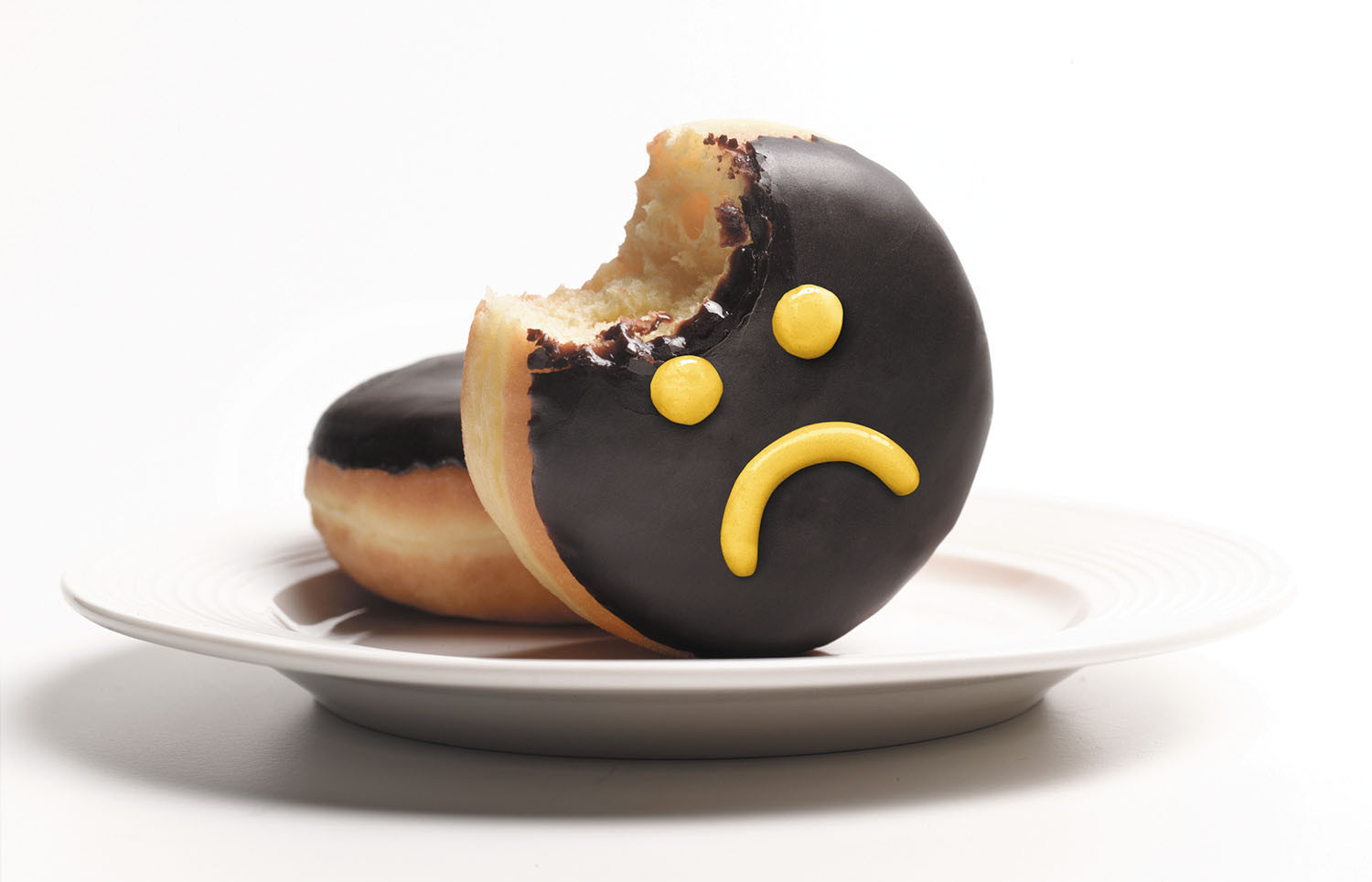
Cutting back on ultra-processed foods linked with lower dementia risk
People who ate large amounts of ultra-processed foods had a greater risk of later developing dementia compared with people who ate little of these foods, according to a 2022 study. Researchers estimated that switching out even 10% of ultra-processed foods for healthier options might lower one's risk.

Taking it slow
While an active life is a healthier one, there are times when people can benefit from embracing a slower pace, an approach commonly known as "slow living." Slow living isn't about doing less, but doing more with greater focus and purpose and at the right speed. The approach can help people lower stress, increase concentration and memory, and become more engaged in activities they enjoy.
Naturally gluten-free foods
Harvard study: Healthier fats linked to longer life after prostate cancer diagnosis
Shingrix shingles vaccine linked with lower heart disease risks
Estrogen-only hormone therapy tied to lower dementia risk
Should you have a hysterectomy?
Stair climbing may significantly lower cardiovascular risks
Why do I sweat so much?
Walking pneumonia: The "mild" illness that can still pack a punch
What causes knee pain: How doctors make a diagnosis
Where you carry excess weight matters in predicting heart disease risk
Free Healthbeat Signup
Get the latest in health news delivered to your inbox!
Sign Up
