

Naturally gluten-free foods

Harvard study: Healthier fats linked to longer life after prostate cancer diagnosis

Shingrix shingles vaccine linked with lower heart disease risks

Estrogen-only hormone therapy tied to lower dementia risk
Should you have a hysterectomy?

Stair climbing may significantly lower cardiovascular risks

Why do I sweat so much?

Walking pneumonia: The "mild" illness that can still pack a punch

What causes knee pain: How doctors make a diagnosis
Where you carry excess weight matters in predicting heart disease risk
Brain health Archive
Articles

Short-term stroke symptoms still need emergency care
People who experience stroke symptoms that disappear in less than an hour, a phenomenon known as a transient ischemic attack, should seek immediate care to prevent a full-blown stroke.

Erectile dysfunction drugs linked to lower risk of heart problems
Otherwise healthy men treated with prescription drugs used to treat erectile dysfunction had a lower risk of heart attacks, strokes, or death from heart-related causes.

The high cost of a poor diet
What people choose to eat has a big impact on their cardiovascular health. The dietary habits of the nation as a whole also have a major effect on the country's economic health. About 45% of the costs associated with heart disease, stroke, and diabetes is related to unhealthy diets. The dietary habits that appear to have the biggest effect are not eating enough nuts, seeds, and seafood omega-3 fatty acids. Among foods to avoid, sugary beverages and processed meats seem to contribute the most to higher costs. Each year, unhealthy diets cost the United States an average of about $300 per person in medical costs, which translates to $50 billion nationwide.
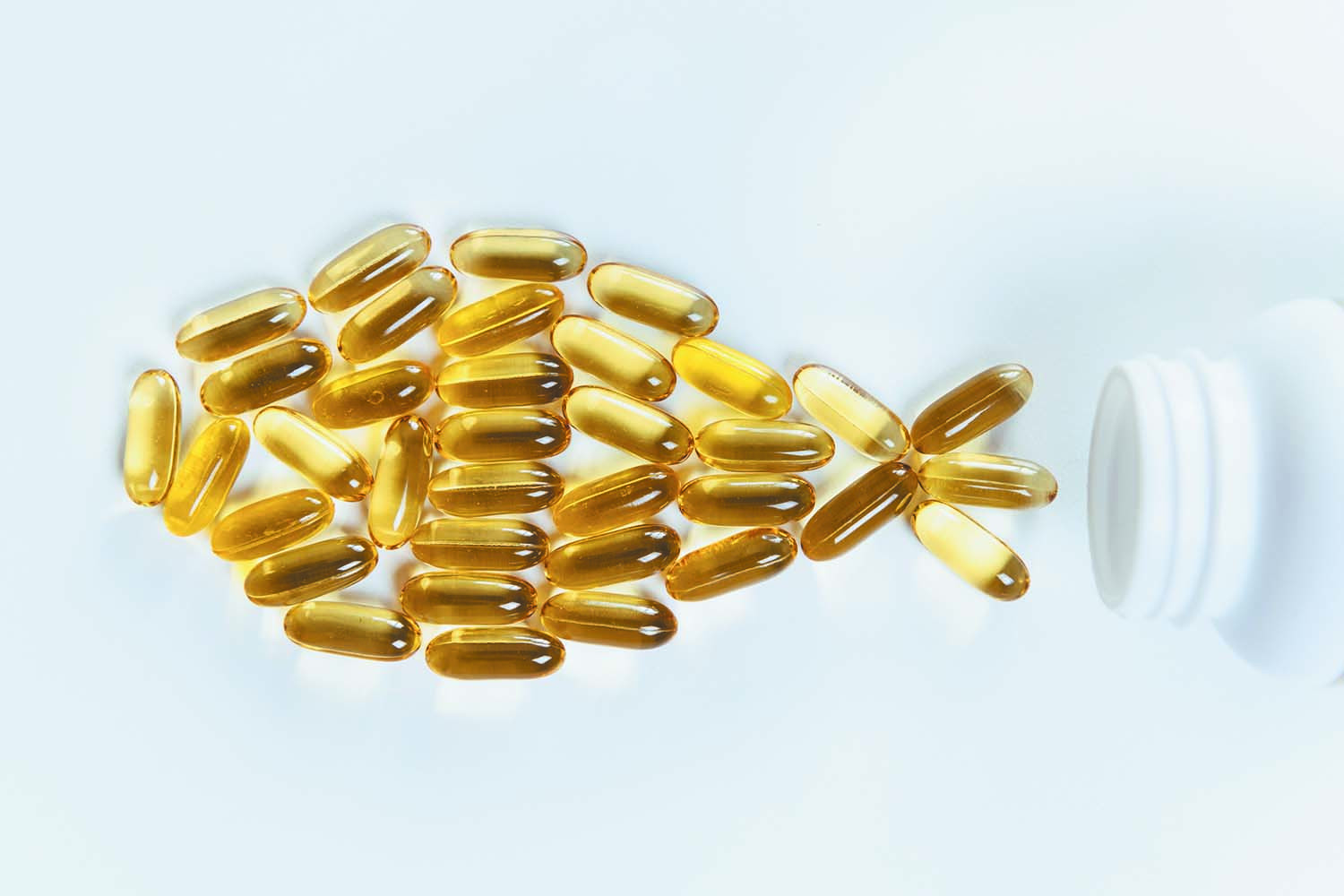
The questions about fish oil supplements
Some research says taking a daily fish oil supplement can reduce the risk of heart attacks and strokes, while other studies say the evidence remains thin. While fish oil is the best source of omega-3 fatty acids (essential nutrients that the body cannot make on its own), taking an over-the-counter fish oil supplement probably provides no extra heart benefit beyond a well-balanced diet that includes plenty of omega-3-rich fatty fish, nuts, and seeds.

5 things to know about your morning cup of joe
A recent review found not only that coffee won't harm cardiovascular health or raise the risk of cancer, but it may actually have some health benefits. These include a lower risk of diabetes, and certain cancers, such as liver, and endometrial cancer. Many of these benefits may come from plant chemicals found in coffee.

Conquer your fear of dietary fat
For decades, high intake of fat was thought to cause weight gain, heart disease, and maybe even cancer. The solution? Go low-fat, which often meant consuming more carbs and more sugar. But nutritionists now suggest people actually need adequate amounts of "good" unsaturated fat, and less "bad" saturated fat, for optimal health. Following popular heart-healthy diets, like the Mediterranean and MIND diets, and making simple dietary changes can help people get adequate amounts of good fats.

Battling a "brain storm"
Migraines, which affect nearly 40 million Americans, are likely vastly underdiagnosed and undertreated. Women are three times more likely to get migraines than men, and hormones appear to be a major trigger. Other triggers include stress, disrupted sleep patterns, hunger or dehydration, certain foods or medications, and bright lights or loud noise. Newer medications are more targeted and pose fewer side effects. They include CGRP (calcitonin gene-related peptide) blockers, more effective nasal sprays, and green light therapy.

Some blood pressure drugs may lower dementia risk
Taking antihypertension drugs to lower blood pressure that also stimulate type 2 and 4 angiotensin II receptors in the brain may offer protection against Alzheimer’s disease and other dementias.

Can varied social interactions boost well-being?
A 2022 study suggested that having diverse social interactions is linked to improved happiness and well-being. In other words, it appears to be helpful to interact with family, friends, acquaintances, and even strangers; the more varied the interactions are, the better.

Eating ultra-processed foods tied to cognitive decline
A 2022 study of 11,000 dementia-free people found that middle-aged participants who ate the most junk food had a faster rate (up to 28%) of cognitive decline, compared with those who ate the least junk food.
Naturally gluten-free foods
Harvard study: Healthier fats linked to longer life after prostate cancer diagnosis
Shingrix shingles vaccine linked with lower heart disease risks
Estrogen-only hormone therapy tied to lower dementia risk
Should you have a hysterectomy?
Stair climbing may significantly lower cardiovascular risks
Why do I sweat so much?
Walking pneumonia: The "mild" illness that can still pack a punch
What causes knee pain: How doctors make a diagnosis
Where you carry excess weight matters in predicting heart disease risk
Free Healthbeat Signup
Get the latest in health news delivered to your inbox!
Sign Up
