

CoQ10: Should you take this popular supplement if you're on a statin?

Oat vs. dairy milk: Nutrition, benefits, and downsides

Microplastics: A hidden health threat?

Healing after food poisoning

What is tempeh? Benefits, nutrition, and how to use it

Light exposure at night may raise risk for heart disease

Whole grains may improve several heart risk factors at once

A lumbar belt may help ease low back pain

Children of centenarians may stay healthier and live longer too, study finds

Signs of pneumonia: Sometimes vague and unexpected
Balance disorders and vertigo Archive
Articles

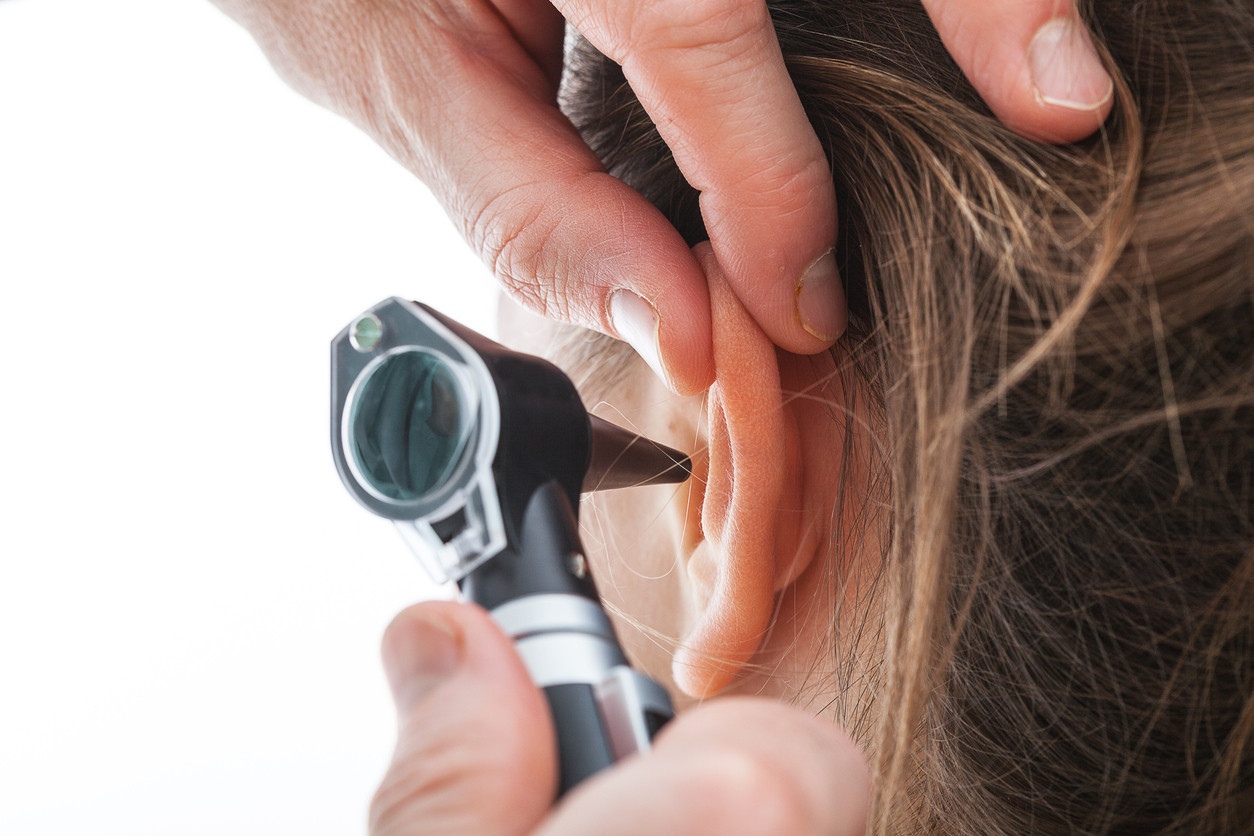
Should you try these tools to clean your ears?
It's unnecessary to clean inside the ears unless someone has a blockage of earwax. Experts advise against using home earwax removal tools. Such tools include tiny cameras, scoopers, or vacuums that are placed into the ear. The safer, tried-and-true method of earwax removal involves placing a few drops of earwax lubricant (oil-based drops), water, or hydrogen peroxide in the affected ear, and then allowing it to dissolve the earwax and drain from the ear. If that doesn't work, a doctor can remove earwax.

The sore throat checklist: What parents need to know
Children get sore throats all the time - and most of the time they are nothing to worry about. But it is important for parents to know the common causes of sore throats, and to be aware that that certain instances are serious and should be seen by a doctor immediately.

Should you try a do-it-yourself hearing test?
Online hearing tests help detect if someone has hearing loss. The tests involve answering questions or listening to a series of tones or spoken words. The tests are not as comprehensive as tests conducted by an audiologist, but they are convenient and might help identify mild, moderate, or severe hearing loss; problems hearing particular pitch ranges; or differences in hearing ability in one ear compared to the other (asymmetry). A test might need to be followed up with a visit to an audiologist.

Aiming for sound design
Adjusting to new surroundings, such as a new or remodeled home, can affect people's hearing ability. Certain home features absorb sound, making it easier to hear. These include carpeting, paneling, curtains, and upholstered furniture. Other features allow sound to reverberate, making hearing more difficult. These include hardwood floors, cathedral ceilings, and minimalist decor. Hearing aids don't necessarily help, since they magnify all sounds.
By the way, doctor: Plugged-up feeling in an ear
I have a plugged left ear problem. It usually starts about 4 p.m. and lasts about three to four hours. I cough, clear my throat, yawn, close my nostrils and blow - nothing seems to help.


Is it worrisome to hear a pulse in my ear?
One morning last week I woke up hearing my heartbeat in my left ear. I hear it most clearly when I am in bed or sitting quietly. My health is good, and I was told after a recent cardiac workup that my heart was "perfect." Should I be worried?

Hearing aid use linked to longer life
A 2024 study found that the risk of premature death was 24% lower among people who used hearing aids regularly, compared with people who never used hearing aids.

Got an ear full? Here's some advice for ear wax removal
Earwax helps keep the ear canal clean, but if it dries out it can clump together and cause a blockage. A few drops of water held in the ear canal for a minute or so will usually dislodge the wax.

New thinking about tinnitus
Tinnitus is widely believed to be caused by hearing loss. But that theory hasn't explained the cause of the problem for people with normal hearing tests who still have tinnitus. Increasing evidence suggests that some of these people have "hidden" hearing loss: damage to the auditory nerve-which carries sound signals from the ear to the brain-that isn't picked up by conventional tests. The evidence offers hope that if perhaps one day auditory nerve fibers can be regenerated, it might help reduce the perception of tinnitus.
CoQ10: Should you take this popular supplement if you're on a statin?
Oat vs. dairy milk: Nutrition, benefits, and downsides
Microplastics: A hidden health threat?
Healing after food poisoning
What is tempeh? Benefits, nutrition, and how to use it
Light exposure at night may raise risk for heart disease
Whole grains may improve several heart risk factors at once
A lumbar belt may help ease low back pain
Children of centenarians may stay healthier and live longer too, study finds
Signs of pneumonia: Sometimes vague and unexpected
Free Healthbeat Signup
Get the latest in health news delivered to your inbox!
Sign Up
