

CoQ10: Should you take this popular supplement if you're on a statin?

Oat vs. dairy milk: Nutrition, benefits, and downsides

Microplastics: A hidden health threat?

Healing after food poisoning

What is tempeh? Benefits, nutrition, and how to use it

Light exposure at night may raise risk for heart disease

Whole grains may improve several heart risk factors at once

A lumbar belt may help ease low back pain

Children of centenarians may stay healthier and live longer too, study finds

Signs of pneumonia: Sometimes vague and unexpected
Balance disorders and vertigo Archive
Articles

Turning up the volume on brain health
While hearing loss and dementia seem to be connected, doctors don't know if hearing loss causes cognitive decline. It may be that an unknown common factor causes both problems. But regardless of whether hearing loss may be an early indicator of dementia or a risk factor for the condition, it should be treated. Improving hearing can improve the ability to connect with others and quality of life.

You don't say? Why does your nose run in cold weather?

Sore throat soothers
Most sore throats are caused by non-life-threatening conditions or certain behaviors. But sometimes a sore throat may be an indication of COVID-19. One should call the doctor if experiencing difficulty swallowing, shortness of breath, a high fever, or a cough that produces blood. Ways to relieve sore throat pain include staying hydrated, using over-the-counter painkillers, drinking warm liquids, using cough drops, using a spray or lozenge that contains an oral anesthetic to numb the throat, and treating an underlying condition causing sore throat pain.

Tough to swallow

COVID-related loss of smell may be associated with mental health risks

New medication advances treatment for chronic rhinosinusitis with nasal polyps
The FDA has approved a new medication for the treatment of chronic rhinosinusitis with nasal polyps, dupilumab, which is given by injection biweekly.

What is holding you back from better hearing?
The realities of treatment can help relieve hearing loss concerns.
Image: © Thinkstock
Hearing loss is common in older age. It affects one in three people ages 65 or older, and two out of three people ages 75 or older. The condition leaves people struggling to keep up with conversations or simply hear the phone or TV, which can lead to serious problems. "Hearing loss can make a person less likely to engage with friends and family, which can be associated with depression," says Dr. David Jung, an otologist (ear specialist) with Harvard-affiliated Massachusetts Eye and Ear Infirmary.
Common excuses
What you should do
It's easy to overlook evidence that you have hearing loss. The symptoms can be subtle. Perhaps people around you always seem to be mumbling. Perhaps you have a hard time carrying on a conversation in a noisy environment.
If you recognize these symptoms, talk to your primary care doctor. He or she may order a hearing test directly or refer you to an otolaryngologist (ear, nose, and throat specialist).
A visit will likely involve an ear exam, an evaluation of your medical history and how it may be affecting your hearing, and a hearing test by an audiologist. Your team will determine if a hearing aid will help you.
If you can hear the sound of a voice well but have trouble distinguishing the words being spoken, first try some simple tricks. Stand closer to people when they talk. Talk in well-lighted areas so you can see the face of the person you're talking with. Sit closer to a stage if you're at a performance.
What to do about the high cost of hearing aids One of the biggest obstacles to getting hearing aids is money. "Many of my patients are desperate to get a hearing aid, but they can't afford one," says Dr. David Jung, an otologist with Harvard-affiliated Massachusetts Eye and Ear Infirmary. A pair of the devices can cost an average of more than $4,600, yet insurance and Medicare rarely cover any costs. If you need financial assistance, some organizations can help:
The Hearing Loss Association of America (www.hearingloss.org) offers a complete list of resources. Eligibility requirements for hearing aid financial assistance vary. For example, Audient requires that a family of two earn less than about $36,000, and a single person earn less than about $27,000. A move by the FDA is making it easier to obtain over-the-counter hearing aids, which are less expensive than prescription hearing aids. However, over-the-counter devices aren't right for everyone. |
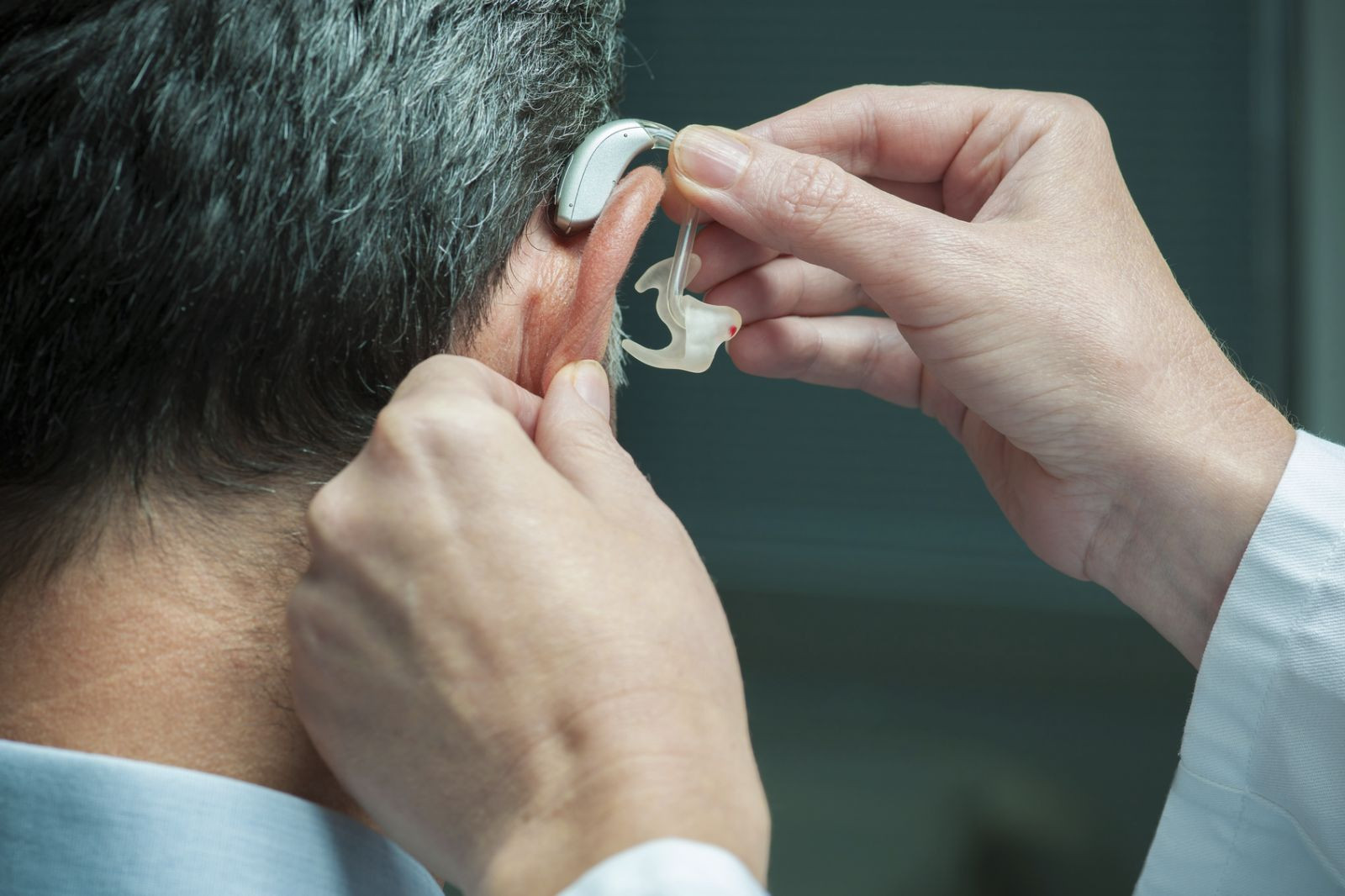
Easier access to hearing aids
The FDA announced in December 2016 that it would no longer enforce the requirement that adults receive a medical evaluation or sign a waiver prior to purchasing most hearing aids.
CoQ10: Should you take this popular supplement if you're on a statin?
Oat vs. dairy milk: Nutrition, benefits, and downsides
Microplastics: A hidden health threat?
Healing after food poisoning
What is tempeh? Benefits, nutrition, and how to use it
Light exposure at night may raise risk for heart disease
Whole grains may improve several heart risk factors at once
A lumbar belt may help ease low back pain
Children of centenarians may stay healthier and live longer too, study finds
Signs of pneumonia: Sometimes vague and unexpected
Free Healthbeat Signup
Get the latest in health news delivered to your inbox!
Sign Up
