

Whole grains may improve several heart risk factors at once

Light exposure at night may raise risk for heart disease

Children of centenarians may stay healthier and live longer too, study finds

A lumbar belt may help ease low back pain

Signs of pneumonia: Sometimes vague and unexpected

Using a vibration plate: What it can — and can't — do for your body

The surprising link between ovarian cancer and the fallopian tubes

People who walk more or walk faster live longer, study finds

Rosacea treatments: What works?

For sleep apnea, a dental device may be as effective as CPAP
Back Pain Archive
Articles

Osteoarthritis relief without more pills
It's possible to ease arthritis pain and stiffness without medication, but it takes some work. |
Here are some steps you can take to reduce your reliance on medication to control symptoms and stay functional.

Early scans for back pain add cost but offer little benefit for seniors
Older adults with new back pain usually end up getting a CT scan or MRI. That’s often a waste of time and money and has little or no effect on the outcome, according to a new study from the University of Washington. The results of the study contradict current guidelines from the American College of Radiology. The guidelines say that it’s “appropriate” for doctors to order early MRIs for people ages 70 and older with new-onset back pain, and many doctors do just that. The study, which followed more than 5,200 men and women over the age of 65 who saw a primary care physician for a new bout of back pain, found that people who got early back scans did no better than those who didn’t have scans. The scans added about $1,400 per person to the overall cost of back pain care — with no measurable benefit.

Opioid painkillers: Take the strong stuff only when you need it
It should be matched to the right pain condition and used for a limited time—then switch to safer options.
Over-the-counter pain relievers are great for ordinary aches and pains, but for severe, unrelenting pain that interferes with daily life, you may need something stronger. In such cases, men may end up taking medications called opioids, which block pain perception in the brain. The best-known opioid drugs are oxycodone (OxyContin, Percocet) and hydrocodone (Vicodin).

Acetaminophen: Minimal relief for knee arthritis pain
The pain from an arthritic knee can be intense, limiting daily activities and independence. Men can try a range of medications, but overall acetaminophen (Tylenol, other brands) appears to relieve pain only slightly better than a placebo pill, according to a research review in Annals of Internal Medicine.
The researchers pooled results from 137 randomized clinical trials involving about 33,000 people with knee arthritis and compared the relative effectiveness of the following treatments:
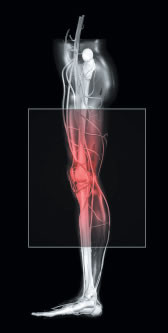
Could that leg pain be peripheral artery disease?
The pain of peripheral artery disease may be felt above or below the knee during activity, and will fade with rest. Image: Thinkstock |
The telltale sign is leg pain and fatigue that comes on with activity and goes away with rest.

When are opioids safe to take?
Opioids are commonly used to control acute, intense pain. Meditation, yoga, and acupuncture may help control pain when tapering off opioids. |
Although these powerful pain relievers can be addictive, opioids are safe for most people when used properly.
Keep moving when knee or hip pain strikes
Mobility relies on the body's two largest joints, the hips and knees. We ask a lot of both these joints: they must bear our full weight and coordinate movement over a lifetime of standing, walking, running, dancing, and sports. Not surprisingly, hip and knee pain are common complaints, and nearly everyone who lives into old age can expect some trouble with these joints. But taking care of your hips and knees and managing any pain that arises will help you avoid losing mobility as you age.
Try these self-help measures when knee or hip pain strikes:
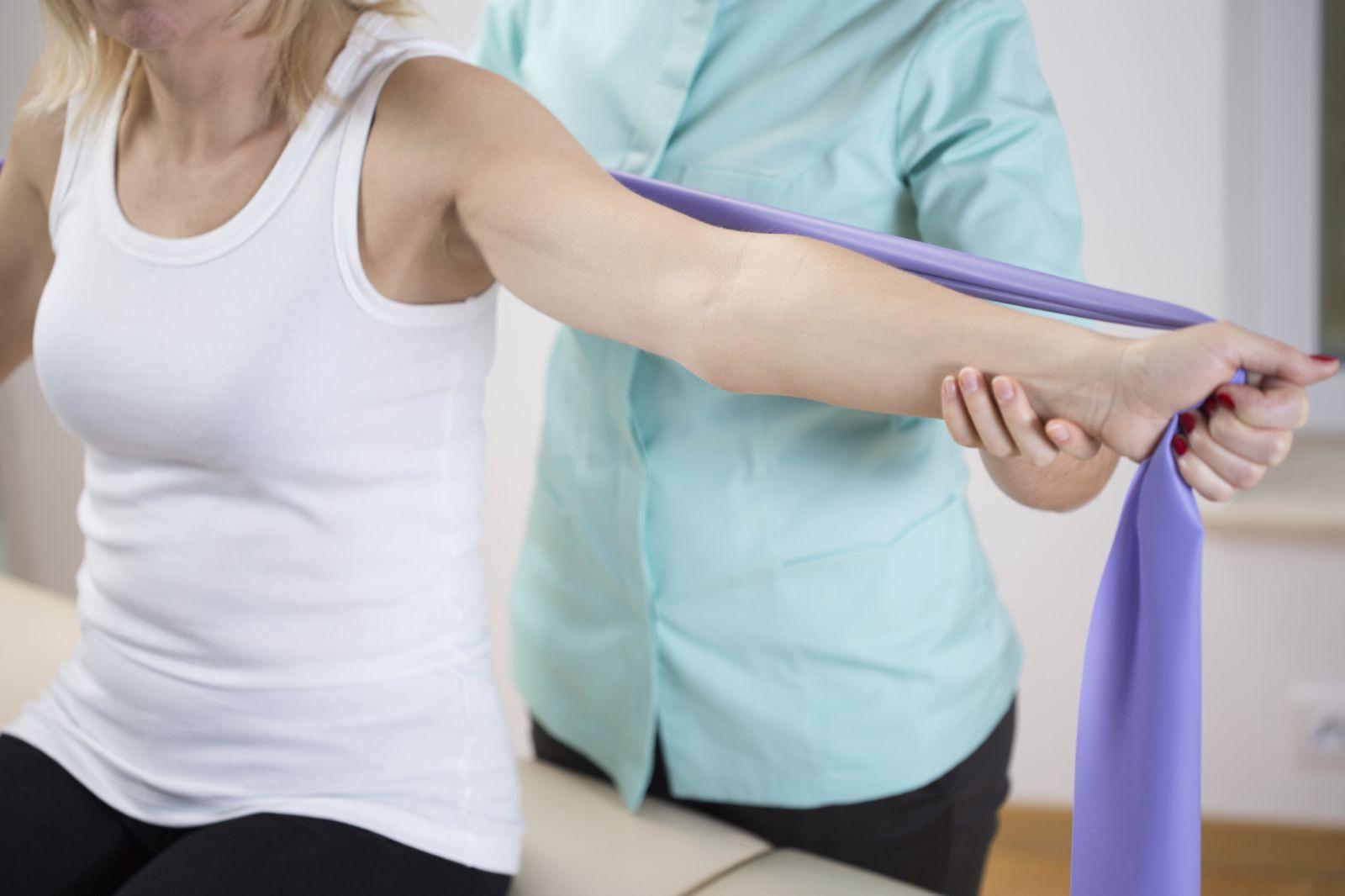

Sore back? Try a massage
Massage can be a helpful add-on to conventional medical care for back pain. Images: Thinkstock |
It can reduce discomfort and get you back on your feet faster.
Healthy travel: Don't let this common hazard spoil your best-laid plans
Long road trips also carry a risk of deep-vein thrombosis. Take a break to stretch your legs every hour or so. Image: Thinkstock |
Long trips come with an increased risk of blood clots deep in the leg veins, which can have serious complications.
Whole grains may improve several heart risk factors at once
Light exposure at night may raise risk for heart disease
Children of centenarians may stay healthier and live longer too, study finds
A lumbar belt may help ease low back pain
Signs of pneumonia: Sometimes vague and unexpected
Using a vibration plate: What it can — and can't — do for your body
The surprising link between ovarian cancer and the fallopian tubes
People who walk more or walk faster live longer, study finds
Rosacea treatments: What works?
For sleep apnea, a dental device may be as effective as CPAP
Free Healthbeat Signup
Get the latest in health news delivered to your inbox!
Sign Up
