

Whole grains may improve several heart risk factors at once

Light exposure at night may raise risk for heart disease

Children of centenarians may stay healthier and live longer too, study finds

A lumbar belt may help ease low back pain

Signs of pneumonia: Sometimes vague and unexpected

Using a vibration plate: What it can — and can't — do for your body

The surprising link between ovarian cancer and the fallopian tubes

People who walk more or walk faster live longer, study finds

Rosacea treatments: What works?

For sleep apnea, a dental device may be as effective as CPAP
Back Pain Archive
Articles

Giving steroid injections a shot
They can offer temporary pain relief, but are they right for you?
If you're battling with a flare-up of arthritis, bursitis, or tendinitis, you may find relief from an injection of cortisone (a type of steroid).
"People turn to injections when conservative treatments like over-the-counter and prescription pain medication or physical therapy no longer work, and their pain begins to interfere with quality of life," says Dr. Rob Shmerling, clinical chief of rheumatology at Harvard-affiliated Beth Israel Deaconess Medical Center.

Can mind-body therapies help reduce reliance on opioids?
News briefs
A large study published online Nov. 4, 2019, by JAMA Internal Medicine offers hope for people who want to reduce their reliance on opioids. The powerful prescription painkillers, such as oxycodone (OxyContin) and hydrocodone (Vicodin), are typically used to treat severe pain after surgery, pain with terminal illness, and chronic pain. But use of these drugs comes with the risk of dependence, addiction, overdose, and death. So researchers set out to determine if mind-body therapies (such as meditation or hypnosis) could help ease pain. Scientists reviewed 60 randomized trials with more than 6,400 people taking opioids for reasons such as surgery, burns, cancer, or chronic pain. Researchers noted moderate to large improvements in pain among people who added meditation, hypnosis, cognitive behavioral therapy (CBT), or therapeutic suggestion to their pain control regimens. Meditation, hypnosis, and CBT were so effective that people were able to slightly reduce the amount of opioids they were taking. Two other therapies — relaxation therapy and guided imagery — did not have a significant impact on pain. The great news: you have nothing to lose by adding one of these mind-body therapies to your regimen, and it may even help.
Image: FatCamera/Getty Images
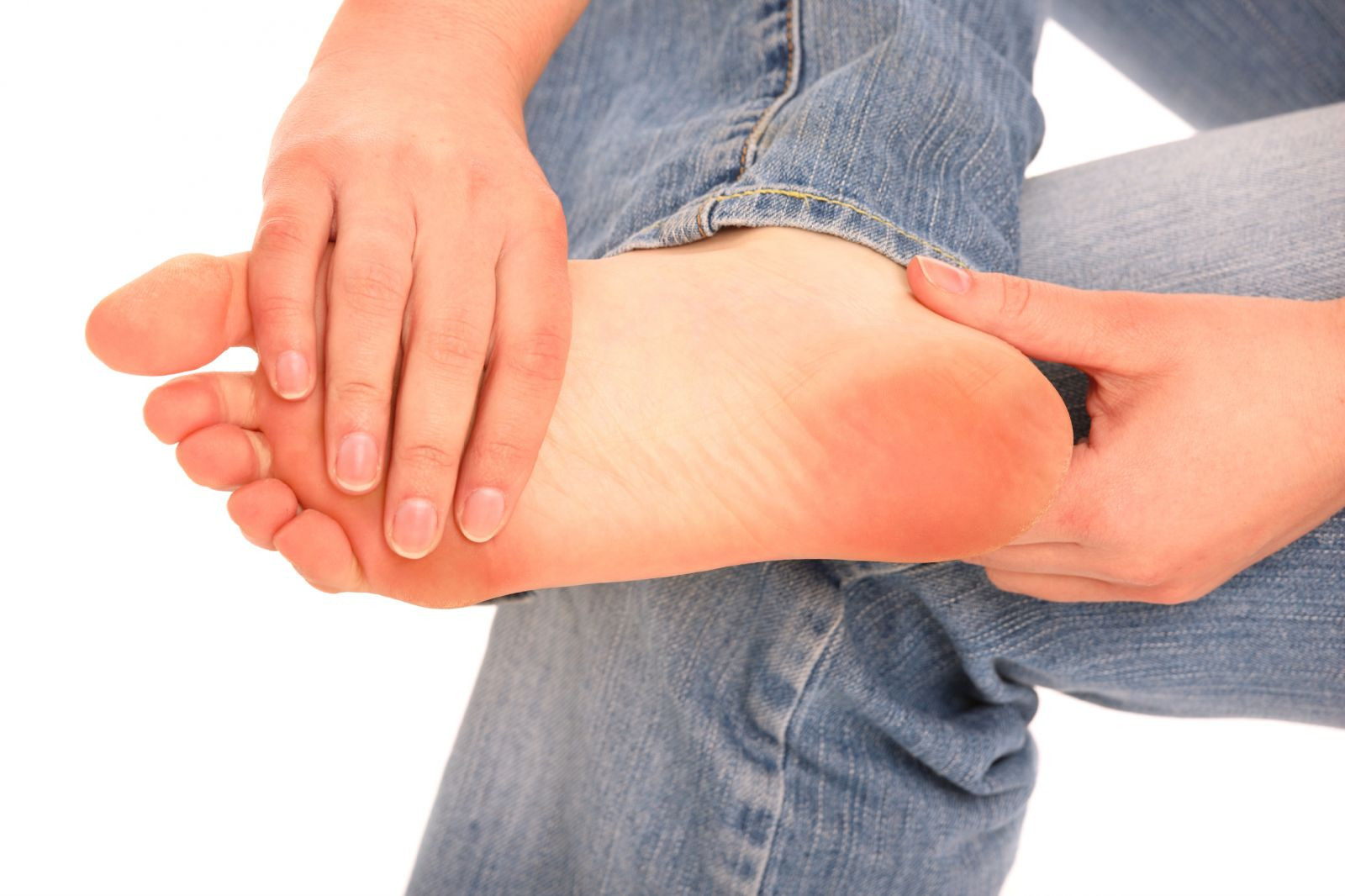
Finding relief from calluses and corns
Calluses and corns are areas of hardened, sometimes yellowish skin on the foot. They form on pressure points or around bony areas. Calluses usually appear on the bottom of the feet and corns on top, usually around the toes.
Although they aren't necessarily welcome, calluses and corns develop to protect the foot from further damage. The cause is often poorly fitting shoes, but how you walk (your gait) or the bone structure of your feet may make you more prone to these foot issues.


Why weight matters when it comes to joint pain
If you're having the occasional twinge of joint pain when you go for a walk or climb stairs, or you're worried about arthritis because a parent had it, one step toward prevention is to check your weight.
There are two ways that being overweight raises your risk for developing osteoarthritis (the most common joint disorder, which is due to wear and tear on a joint). First, excess weight puts additional stress on weight-bearing joints (the knee, for example). Second, inflammatory factors associated with weight gain might contribute to trouble in other joints (for example, the hands).

Straight talk on planking
Your core muscles are your body’s foundation, and the plank pose is a great exercise to do to help build core strength—it’s challenging but not complicated. Here’s everything you need to know to plank correctly.

Don’t delay treatment for carpal tunnel syndrome
Ignoring symptoms of this carpal tunnel syndrome can lead to permanent nerve damage.
First, you may notice tingling or numbness in your fingers that comes and goes. Over time, the sensations may get worse, lasting longer or even waking you up at night. Eventually the pain and numbness might even make it hard to grip things like a fork, a pen, or other objects.
If you're having these symptoms, it could be carpal tunnel syndrome, which occurs when the median nerve — which runs down your arm and into your hand — is compressed by a ligament that crosses over it as it passes through a narrow space in the wrist known as the carpal tunnel.

4 leg problems and what might be causing them
The primary purpose of your legs is to keep you upright and mobile. Yet, your legs can also act as an indicator of your overall health. Although some symptoms you may experience are specific to a leg problem, others can suggest trouble with your heart, nervous system, kidneys, or other organs. Use the following symptom guide to help you decipher what broader problems your leg pain might suggest.
Symptom: Leg cramps
Possible cause: Dehydration
A cramp in your leg after you've been working out, especially in the heat, could be an important sign that your body is low on fluids. To contract and relax normally, muscles rely on water and electrolytes like sodium and potassium. Too little fluid or electrolytes can hypersensitize the nerves that control muscles in the legs, causing the
muscles to contract abnormally, or spasm.

When do I need an imaging test for my back pain?
On call
Q. I suddenly developed low back pain for the first time. My doctor said I did not need an x-ray or other imaging test. Is that normal and are there any situations when a test would be needed?
A. Yes, your doctor is following the current guidelines. Unless you have other symptoms in addition to low back pain, an x-ray, CT scan, or MRI is not likely to be helpful. But it could cause unnecessary worry while waiting for the results and cost you some money if it's not covered by your health insurance. In addition, many people have "false-positive" results in which an abnormality is detected but turns out to be harmless.

Getting a grip on hand osteoarthritis
Can you do anything about hand and finger joint pain?
Everyone experiences the occasional painful hands and sore fingers, but when osteoarthritis strikes, it can put a hold on many aspects of your life.
"As osteoarthritis progresses, you may lose some hand mobility, like the ability to grasp and hold objects," says Dr. Robert Shmerling, clinical chief of rheumatology at Harvard-affiliated Beth Israel Deaconess Medical Center and senior faculty editor at Harvard Health Publishing. "Over time, osteoarthritis can make the joints deformed, so it's harder to open and close your hands."
Whole grains may improve several heart risk factors at once
Light exposure at night may raise risk for heart disease
Children of centenarians may stay healthier and live longer too, study finds
A lumbar belt may help ease low back pain
Signs of pneumonia: Sometimes vague and unexpected
Using a vibration plate: What it can — and can't — do for your body
The surprising link between ovarian cancer and the fallopian tubes
People who walk more or walk faster live longer, study finds
Rosacea treatments: What works?
For sleep apnea, a dental device may be as effective as CPAP
Free Healthbeat Signup
Get the latest in health news delivered to your inbox!
Sign Up
