

Light exposure at night may raise risk for heart disease

Whole grains may improve several heart risk factors at once

A lumbar belt may help ease low back pain

Children of centenarians may stay healthier and live longer too, study finds

Signs of pneumonia: Sometimes vague and unexpected

The surprising link between ovarian cancer and the fallopian tubes

Using a vibration plate: What it can — and can't — do for your body

People who walk more or walk faster live longer, study finds

For sleep apnea, a dental device may be as effective as CPAP

Rosacea treatments: What works?
Back Pain Archive
Articles

5 Internet recommendations for joint pain: Do they work?
Some ideas seem reasonable, but that doesn't mean they'll help.
People increasingly consult the Internet about medical problems. If you're looking for approaches to relieve joint pain and inflammation caused by wear and tear (osteoarthritis) or an immune system attack (such as occurs in rheumatoid arthritis), you may find methods that sound promising and even sensible. But will they work? Here's advice on five pain relief methods commonly touted on the Internet.
1. Music therapy
Listening to music can evoke powerful emotions that help people relax or heal, which is the basis of music therapy. Research has found that music therapy is associated with less anxiety before surgery or during chemotherapy, and better functioning during physical rehabilitation.

Is it time to consider using medical marijuana?
The stigma is fading, but learn the pros and cons before trying it.
Despite the hype and popularity of medical marijuana, you may not be sure if it's something to consider. You're right to be cautious; the use of marijuana to treat health problems is still being studied, and we don't have all the answers about its risks and benefits.
We do know that medical marijuana use among older adults is increasing. "Older adults tend to use it for physical ailments. No. 1 is chronic pain. Insomnia is another big one, too. Older people have a hard time sleeping, and there aren't a lot of other safe options," says Dr. Peter Grinspoon, a primary care physician with Harvard-affiliated Massachusetts General Hospital.
Pain relief that's safe for your heart
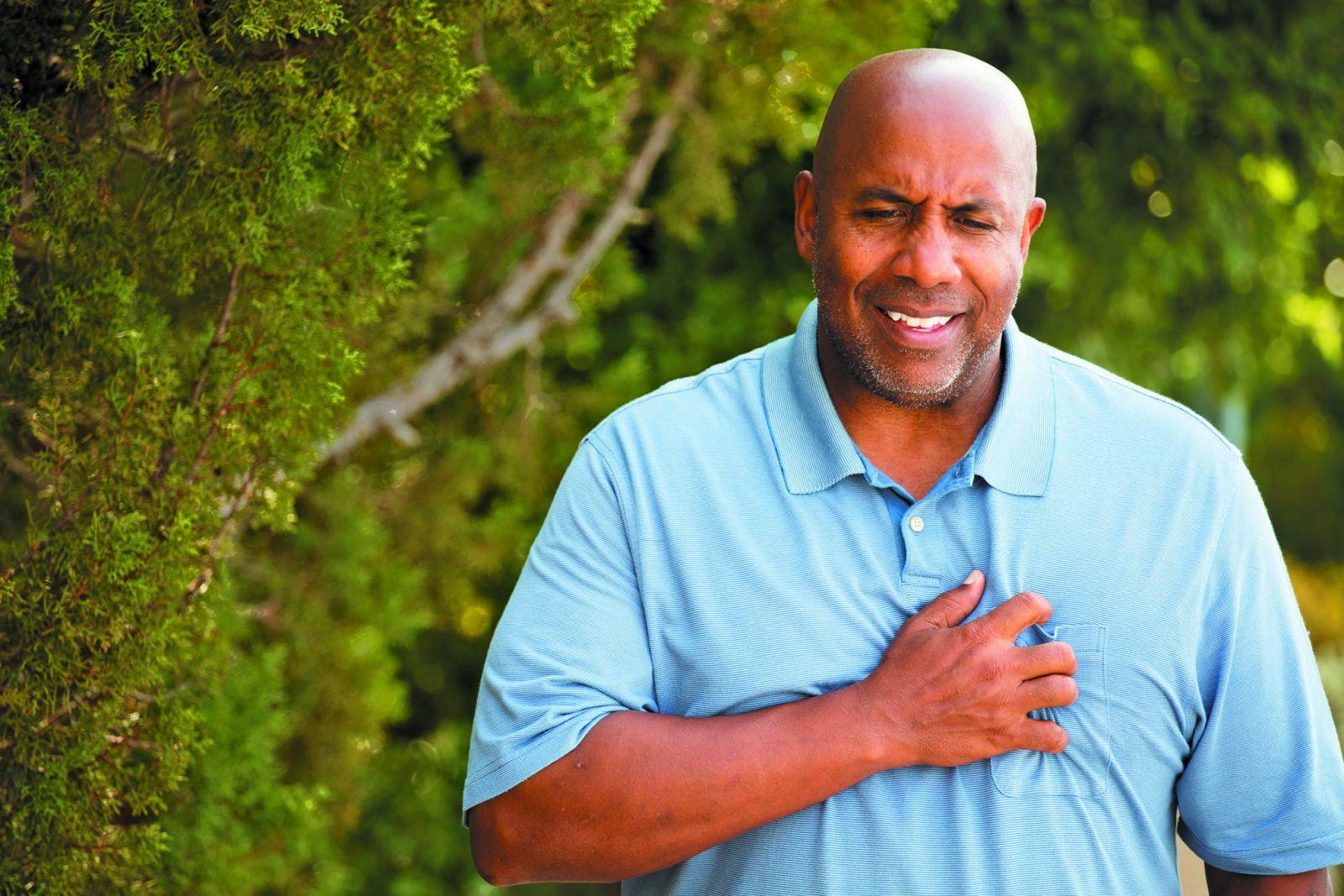
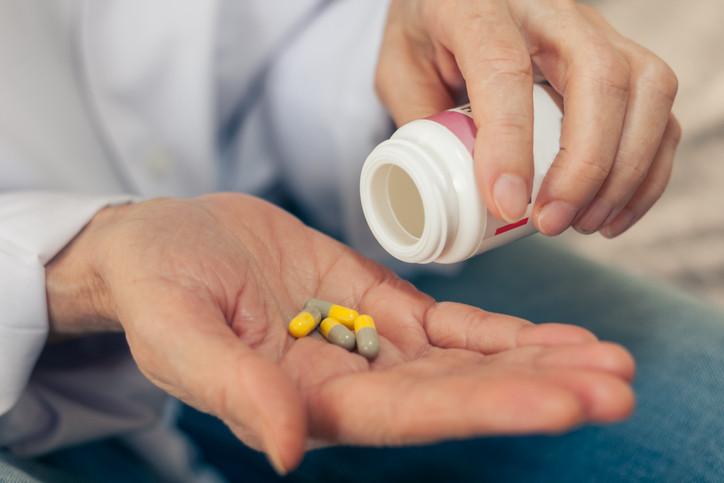
The popular painkillers known as NSAIDs include aspirin, ibuprofen, naproxen, and the prescription drug celecoxib. All except aspirin may slightly increase the risk of a heart attack, but naproxen appears to be the least risky.

What to do about tennis elbow
Tennis elbow is the common term for lateral epicondylitis, an inflammatory condition of the tendon that connects the extensor muscles of the lower arm to a bony prominence on the outside of the elbow called the lateral epicondyle. The condition causes pain at the point where the tendon attaches to the epicondyle. The pain may radiate to the forearm and wrist, and in severe cases, grip strength may lessen. It can become difficult to perform simple actions like lifting a cup, turning a key, or shaking hands.
As many as half of all people who play racket sports have the condition, but most people who have tennis elbow didn't acquire it by playing tennis, squash, or racquetball. It can result from any activity that involves twisting or gripping motions in which the forearm muscles are repeatedly contracted against resistance, such as pruning bushes or pulling weeds, using a screwdriver, or playing a violin. Tennis elbow is an occupational hazard for professional gardeners, dentists, and carpenters.

Breast pain: Not just a premenopausal complaint
Breast pain after menopause can come in many forms
Menopause has come and gone. Why do I still have breast pain?
In most cases, breast pain is a by-product of reproductive life: Like breast swelling, it waxes and wanes during the menstrual cycle, and it's one of the first symptoms of pregnancy. Many women expect breast pain to go away after menopause. When it doesn't, they may fear they have breast cancer. Fortunately, breast pain is rarely a symptom of cancer, regardless of age. Still, that possibility should be considered, along with a number of noncancerous conditions that affect the breasts.


A plan for easy stretching
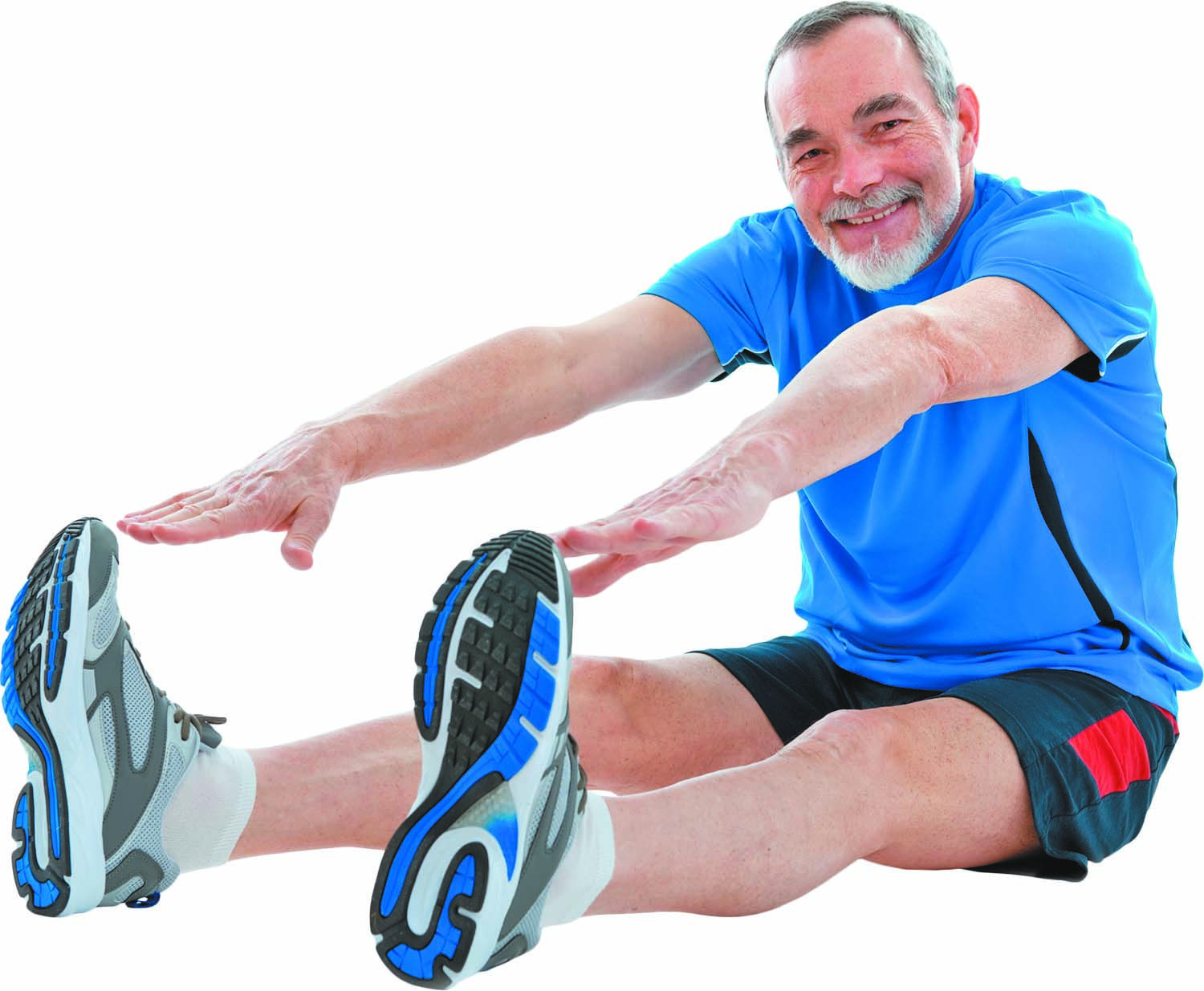
Stretching becomes crucial as you age. Here is a quick routine that addresses the major tight spots.
Stretching is much like flossing. You know it's good for your health, but for whatever reason, you may not always make time for it.
"Most people know they need to stretch more, but find it burdensome or are not sure what to do," says Urvashi Chogle, a physical therapist at Harvard-affiliated Spaulding Rehabilitation Network.

Easing the ache
Osteoarthritis pain can be debilitating. Strategies can help get you moving again.
Pain from osteoarthritis is more than just a nuisance. Knee pain, in particular, can not only keep people from exercising, but also have a chilling effect on their ability to participate in social activities, especially those that involve walking or traveling, says Elena Losina, the Robert W. Lovett Professor of Orthopedic Surgery at Harvard Medical School and co-director of the Orthopaedic and Arthritis Center for Outcomes Research at Brigham and Women's Hospital.
"In fact, the quality of life of a person with persistent pain due to knee osteoarthritis is similar to quality of life in women with metastatic breast cancer controlled by therapy," she says.
Light exposure at night may raise risk for heart disease
Whole grains may improve several heart risk factors at once
A lumbar belt may help ease low back pain
Children of centenarians may stay healthier and live longer too, study finds
Signs of pneumonia: Sometimes vague and unexpected
The surprising link between ovarian cancer and the fallopian tubes
Using a vibration plate: What it can — and can't — do for your body
People who walk more or walk faster live longer, study finds
For sleep apnea, a dental device may be as effective as CPAP
Rosacea treatments: What works?
Free Healthbeat Signup
Get the latest in health news delivered to your inbox!
Sign Up
