

Oat vs. dairy milk: Nutrition, benefits, and downsides

Microplastics: A hidden health threat?

Healing after food poisoning

What is tempeh? Benefits, nutrition, and how to use it

Light exposure at night may raise risk for heart disease

Whole grains may improve several heart risk factors at once

A lumbar belt may help ease low back pain

Children of centenarians may stay healthier and live longer too, study finds

Signs of pneumonia: Sometimes vague and unexpected

The surprising link between ovarian cancer and the fallopian tubes
Anxiety Archive
Articles

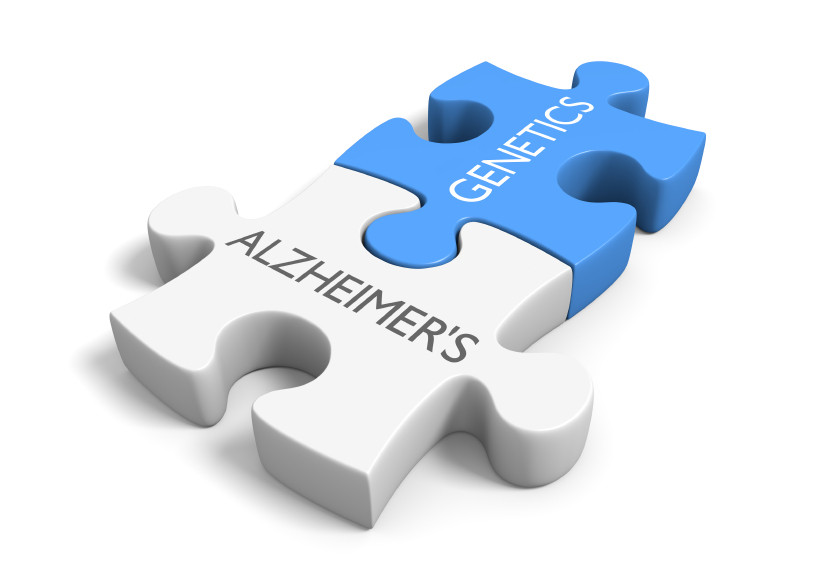
A twist on the genetic link between Alzheimer’s and heart disease
Although the two conditions seem unrelated, Alzheimer’s and heart disease actually share a genetic link. People who have a certain gene variant have both a somewhat elevated heart disease risk and a significantly elevated Alzheimer’s risk. Fortunately, a recent study has suggested that when people know they have this variant, they’re more likely to make healthy lifestyle choices that benefit their heart — and what’s good for the heart is good for the brain.

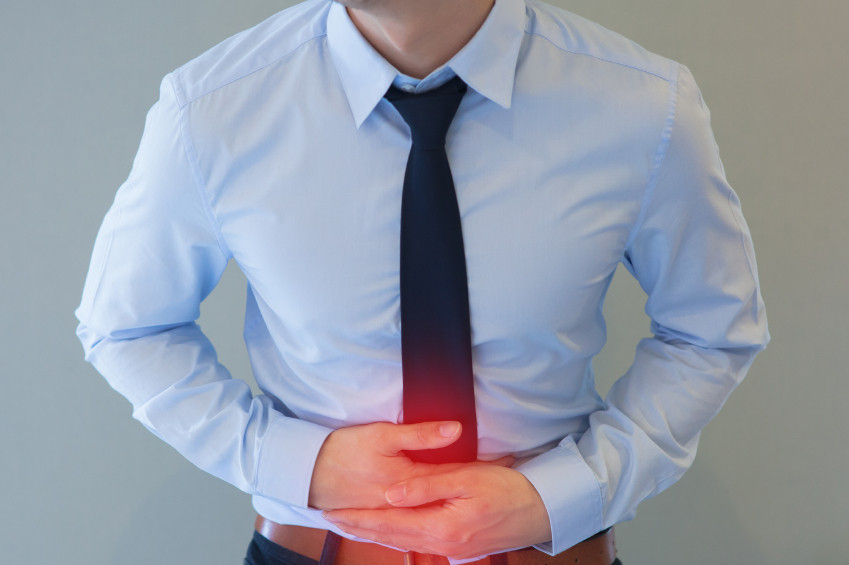
Can a heartburn drug cause cognitive problems?
Many older adults take PPIs to treat heartburn, GERD, or stomach ulcers. Recently, a new study identified a link between chronic PPI use and an increased risk for dementia. If you take a PPI, check in with your doctor — you may be able to take it only when you have symptoms, not continuously (and this kind of usage was not associated with a dramatically increased dementia risk in the study).

People who exercise more also tend to drink more (alcohol)
A recent study that tracked healthy volunteers’ exercise and drinking habits found that they tended to drink more on days when they exercised more. But this study might have had drastically different results if conducted with different groups. For example, what results might we see if the volunteers were sedentary people looking to exercise more — or people with unhealthy drinking patterns who were working to cut back?

The missing rewards that motivate healthy lifestyle changes
Ask anyone who’s ever tried to make a healthy change — after a while, the motivation to keep at it just stops. Indeed, it can be incredibly hard to break old habits, or make new ones. But research has revealed that there are actually two different types of rewards in the brain — and that focusing on the less commonly pursued of the two can help you make lasting changes.

Tips to get the most from your memory
As you've gotten older, have you noticed that you often find yourself marching around the house in a huff, searching for misplaced car keys or eyeglasses, or you just cannot remember the name of that new neighbor you met when walking the dog? It's frustrating, to be sure, but not inevitable — and there are things you can do to help keep your memory sharp.
"Most people get a little more forgetful with aging, but there are some simple things you can do to prevent memory slips and help your brain to learn and remember better," says Dr. Anne Fabiny, chief of geriatrics at Cambridge Health Alliance and an assistant professor of medicine at Harvard Medical School.

Decline in dementia rate offers “cautious hope”
Last year, the Alzheimer’s Association predicted that rates of dementia would continue to rise. However, a report recently published in the New England Journal of Medicine found that rates of dementia have actually dropped steadily over the past three decades. Whether the drop in rates applies to everyone, and whether it will continue, remain to be seen. But the evidence also confirms that there’s quite a lot you can do to lower your dementia risk.
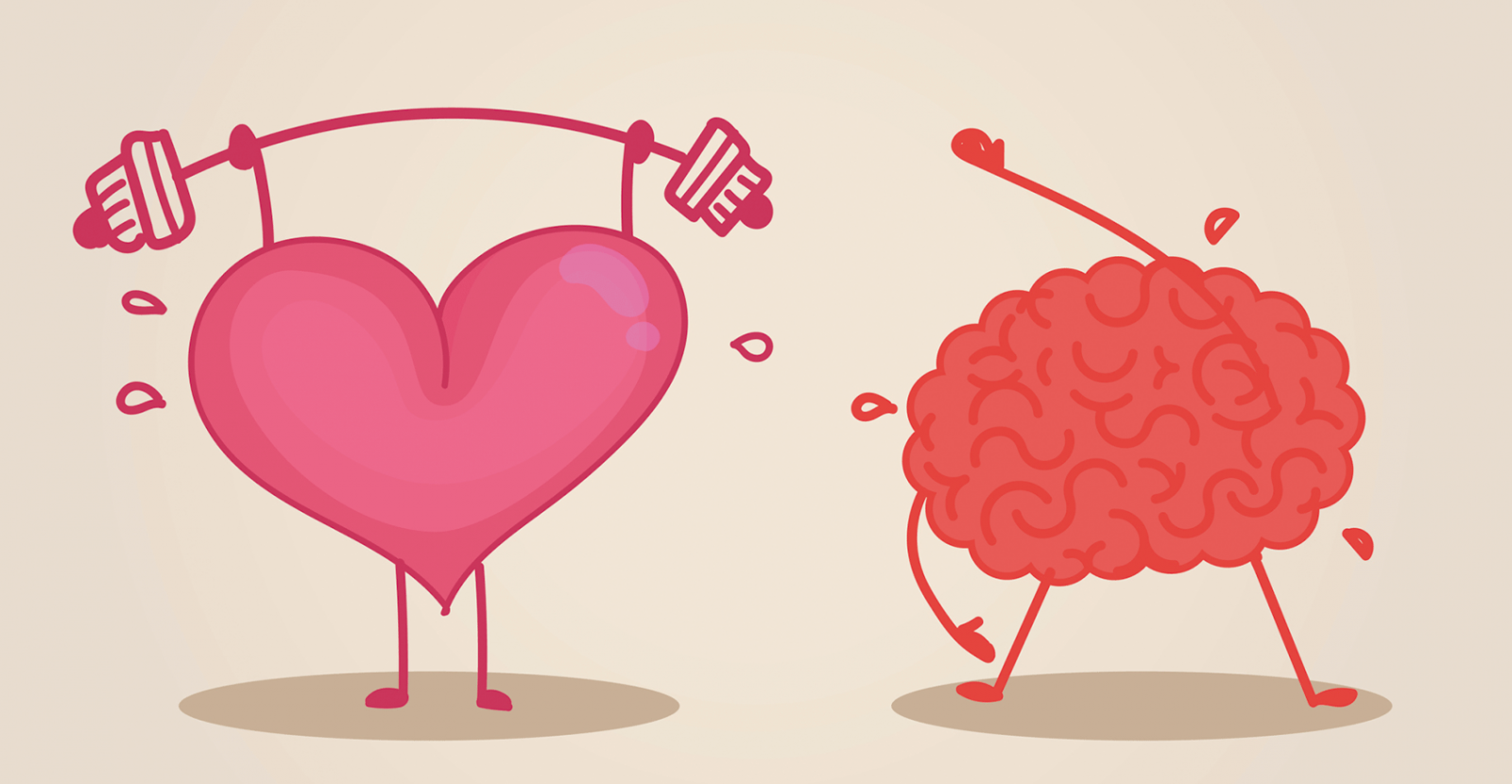
A stronger heart may help keep your brain young
New findings link cardiovascular fitness to better thinking skills and memory in older people.
Image: Thinkstock
Exercise that speeds up your heart rate and breathing keeps your heart and blood better cardiovascular fitness to a sharper brain is providing new clues about this heart-mind connection.
"It's not just about delivering more oxygen to the brain, although that's part of it," says Dr. John Ratey, associate clinical professor of psychiatry at Harvard Medical School and author of Spark: The Revolutionary New Science of Exercise and the Brain. Having a fit, healthy cardiovascular system also protects against vascular dementia, which happens when blood vessels feeding the brain are blocked or narrowed, leading to memory problems and other cognitive trouble.
Oat vs. dairy milk: Nutrition, benefits, and downsides
Microplastics: A hidden health threat?
Healing after food poisoning
What is tempeh? Benefits, nutrition, and how to use it
Light exposure at night may raise risk for heart disease
Whole grains may improve several heart risk factors at once
A lumbar belt may help ease low back pain
Children of centenarians may stay healthier and live longer too, study finds
Signs of pneumonia: Sometimes vague and unexpected
The surprising link between ovarian cancer and the fallopian tubes
Free Healthbeat Signup
Get the latest in health news delivered to your inbox!
Sign Up
