

CoQ10: Should you take this popular supplement if you're on a statin?

Oat vs. dairy milk: Nutrition, benefits, and downsides

Microplastics: A hidden health threat?

Healing after food poisoning

What is tempeh? Benefits, nutrition, and how to use it

Light exposure at night may raise risk for heart disease

Whole grains may improve several heart risk factors at once

A lumbar belt may help ease low back pain

Children of centenarians may stay healthier and live longer too, study finds

Signs of pneumonia: Sometimes vague and unexpected
Alzheimer's Disease Archive
Articles

Protect your skin during heat waves - here's how
As global temperatures continue to soar, extreme heat poses numerous health risks, some of which are visible on our skin. Understanding how heat affects your skin can help you take measures to prevent or ease many skin conditions that are sparked or worsened by high temperatures.

What is POTS - and what triggers it?
Postural orthostatic tachycardia syndrome (POTS) is a condition characterized by lightheadedness or dizziness when standing and a racing heart. The underlying cause is not known, although it sometimes follows bedrest after injury or illness. Recently, POTS has been diagnosed in some people who have had COVID-19.

POTS: Diagnosing and treating this dizzying syndrome
Most of us don't think twice about standing up, but for people affected by postural orthostatic tachycardia syndrome (POTS), standing can provoke lightheadedness and a racing heartbeat. While some people with POTS will require medications, most will improve with some specific dietary and behavioral changes.


Weighing in on weight gain from antidepressants
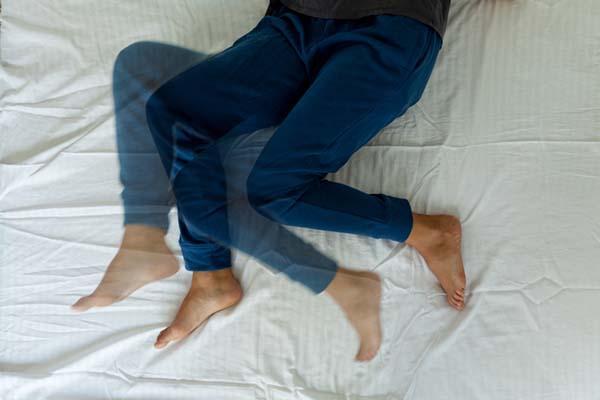
If you're struggling with depression, the most important question about taking an antidepressant is whether it will work. But another question on your mind may be whether it will fuel weight gain. A new study provides some context.

New medication for urinary tract infections: Will it really help?
In 2024, the FDA approved the sale of pivmecillinam (Pivya), an antibiotic to treat urinary tract infections (UTIs) in women. When the drug becomes available in 2025, it will join the lineup of existing first-line antibiotic treatments for UTIs, such as trimethoprim/sulfamethoxazole (Bactrim) and nitrofurantoin (Macrobid). Doctors say having another treatment option on the same tier will be helpful, since some germs that cause UTIs have become resistant to existing antibiotics.

Can a spoonful of daily olive oil ward off dementia death?
A 2024 Harvard study of more than 92,000 healthy men and women (average age 56) found that consuming about half a tablespoon of olive oil per day was associated with a 28% reduction in the risk for dementia-related death, regardless of diet quality.

Is arthritis preventable?
Osteoarthritis affects more women than men. Risk factors include earlier joint injuries, obesity, diabetes, heart disease, or family history. People can try to prevent arthritis by staying physically active, maintaining a healthy weight, and engaging in low-impact exercise.

Decoding poor circulation
Circulation problems affect how well arteries and veins function. . Artery problems are marked by diminished oxygen and nutrient rich blood flow to the brain and all other body parts. Related conditions include heart attack, stroke, and peripheral artery disease. Vein problems often arise when valves in the vessels weaken, allowing blood and fluids to pool. That can cause varicose veins, discolored skin on hands or feet, and swollen legs, ankles, or feet.
CoQ10: Should you take this popular supplement if you're on a statin?
Oat vs. dairy milk: Nutrition, benefits, and downsides
Microplastics: A hidden health threat?
Healing after food poisoning
What is tempeh? Benefits, nutrition, and how to use it
Light exposure at night may raise risk for heart disease
Whole grains may improve several heart risk factors at once
A lumbar belt may help ease low back pain
Children of centenarians may stay healthier and live longer too, study finds
Signs of pneumonia: Sometimes vague and unexpected
Free Healthbeat Signup
Get the latest in health news delivered to your inbox!
Sign Up
